


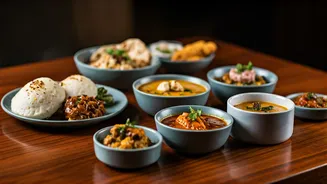
Beyond the Butter Chicken
Let’s be honest: when you thought of Indian food, you probably pictured a familiar, comforting scene. A bubbling pot of orange-hued chicken tikka masala, a creamy bowl of saag paneer, and a basket of warm, pillowy garlic naan. For decades, this was the
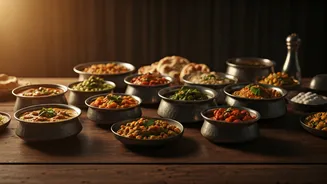
dominant image of Indian cuisine in America—a menu largely derived from Punjabi and North Indian traditions, adapted for Western palates with plenty of butter, cream, and richness. It’s delicious, no question. But it’s also like judging all of American food by cheeseburgers and milkshakes. You’re missing the bigger, more complex, and frankly, more interesting picture. This limited menu, often found in all-you-can-eat buffets, created a perception that Indian food was a heavy, once-in-a-while indulgence. It was the stuff of food comas, not daily nourishment. But this perception is finally being dismantled by a new generation of chefs, restaurateurs, and home cooks who are determined to show Americans the true breadth of what the subcontinent has to offer.
A Return to Regional Roots
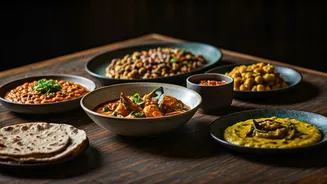
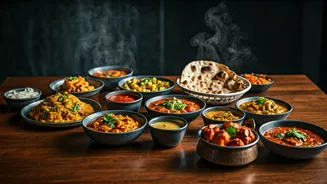
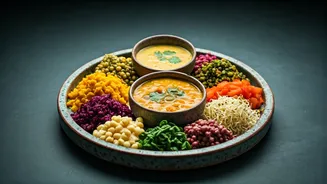
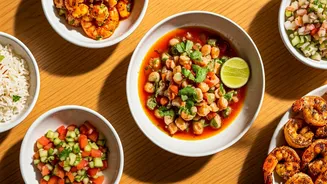
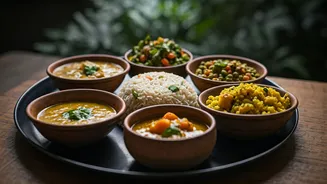
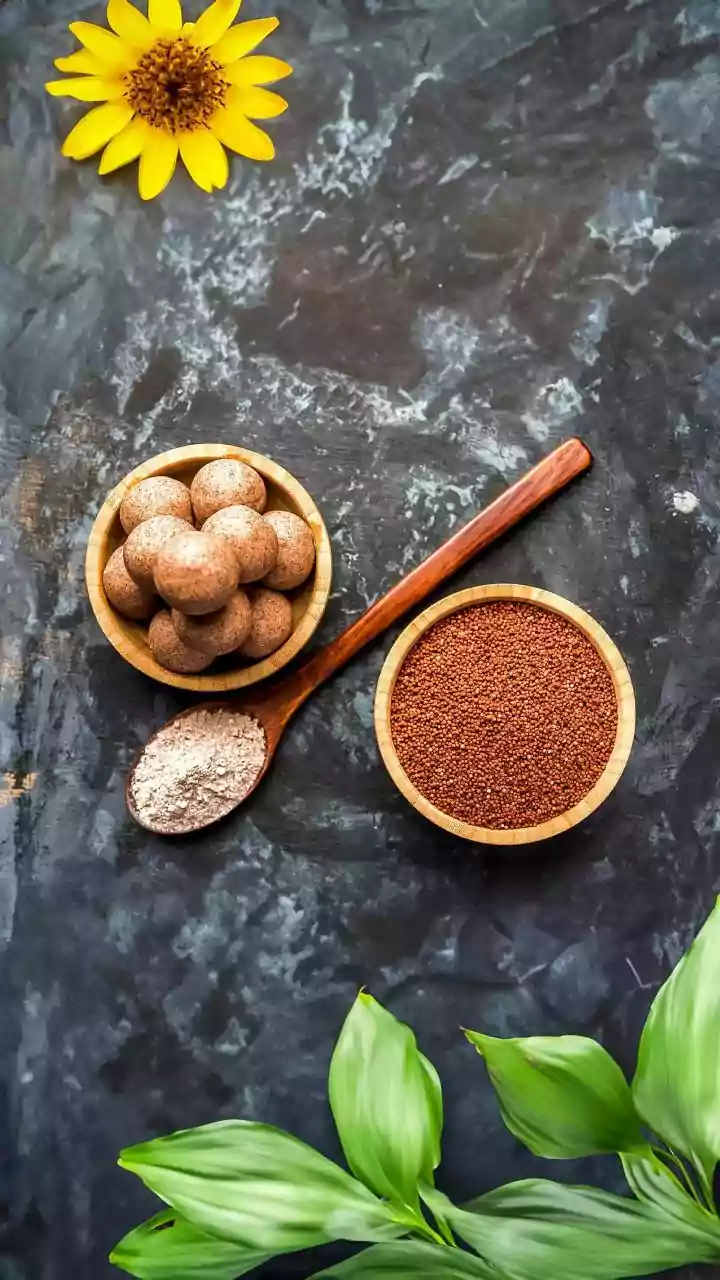
The “new wave” of Indian food isn’t really new at all; it’s ancient. The secret is authenticity and regional specificity. Instead of a single, monolithic “Indian” menu, restaurants are now proudly celebrating the distinct culinary traditions of states like Kerala, Goa, Bengal, and Tamil Nadu. This is where the “healthy but tasty” magic happens. These cuisines, shaped by different climates, coastlines, and histories, are often naturally lighter and more varied. You’ll find coastal Goan cooking with its tangy, vinegar-laced curries and fresh seafood. There’s South Indian cuisine, which relies on rice, lentils, coconut, and fermented batters to create complex flavors in dishes like dosas and idlis. In Bengali food, mustard oil and delicate freshwater fish are the stars. These regional menus highlight an incredible diversity of vegetables, grains like millet and ragi that are gaining superfood status, and cooking techniques like steaming and grilling over the heavy frying and cream-based sauces of the past.
Chefs Cooking Their Own Story
So why is this happening now? Part of it is a story of identity. Many second-generation Indian-American chefs, and new immigrants alike, are no longer content to cook what they think the American public expects. Instead, they’re cooking the food they grew up eating—the “ghar ka khana” or home-style food that is balanced, seasonal, and deeply personal. Chefs like Chintan Pandya of the Unapologetic Foods group in New York City have won acclaim for serving fiercely authentic regional dishes that were previously unknown to most American diners. Meherwan Irani’s restaurant Chai Pani, with its celebration of Indian street food, even won a James Beard Award for Outstanding Restaurant. This movement coincides with a broader shift in American dining culture. Diners are more adventurous than ever, eager to explore new flavors and understand the stories behind their food. The wellness movement has also created an appetite for meals that are not just delicious but also nourishing, aligning perfectly with the principles of traditional Indian cooking, which has long used spices like turmeric, ginger, and cumin for both flavor and their healthful properties.
Redefining 'Healthy'
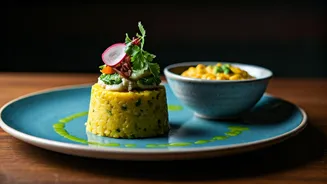
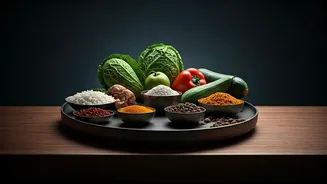
It’s crucial to understand what “healthy” means in this context. This isn’t about calorie-counting, low-fat substitutions, or creating “diet” versions of Indian classics. It’s about a return to culinary first principles. The health benefits are a natural byproduct of using whole ingredients, a diverse array of vegetables and legumes, lean proteins, and complex spice blends that pack a flavorful punch without relying solely on fat and sugar. This new wave demonstrates that food can be both soul-satisfying and good for you. It’s about balance. A meal might feature a light, vegetable-forward curry alongside a flavorful grilled fish and a side of whole-grain flatbread. It’s about celebrating the inherent goodness of a cuisine that has been refined over millennia to be both delicious and sustaining. It’s not “healthy despite being Indian food”; it’s “healthy because it’s authentic Indian food.”