


The Edible Memory
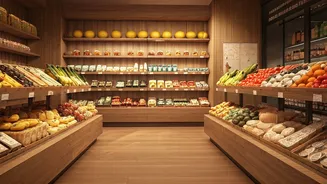
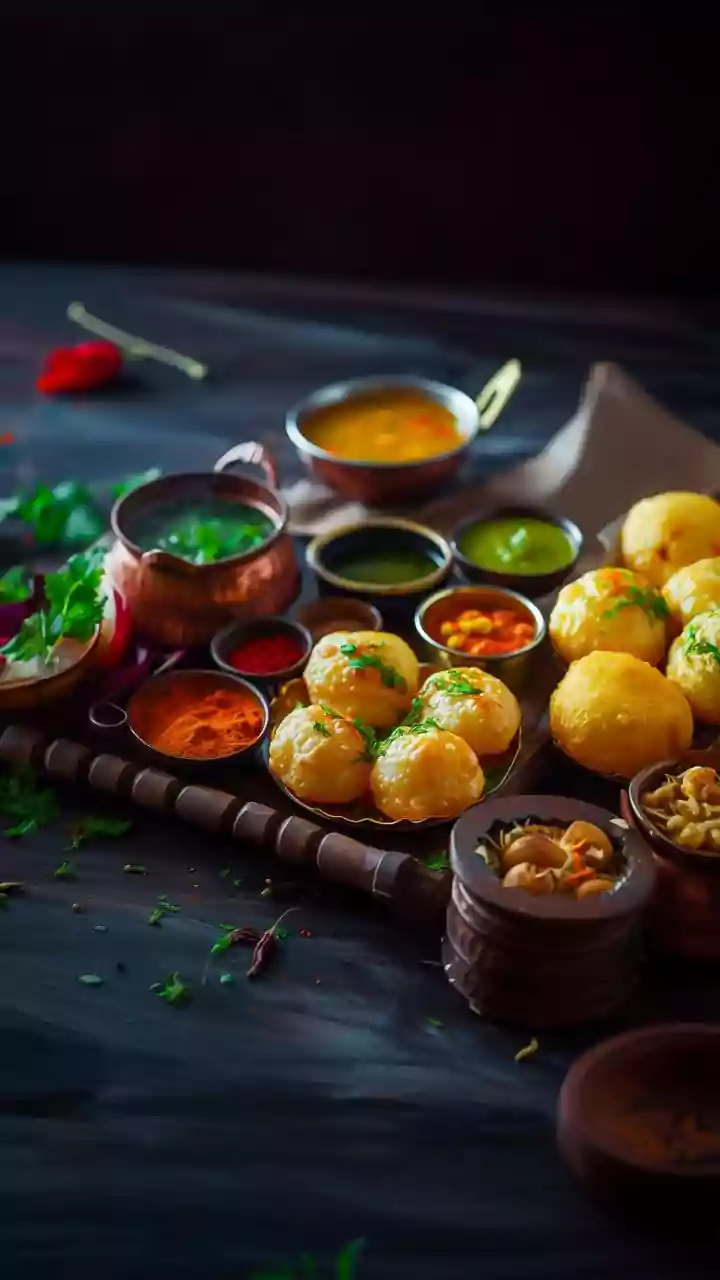
Instead of a magnet, why not bring home the taste of your destination? Edible souvenirs connect you directly to the local terroir and culture. Think a bottle of small-batch olive oil from a Tuscan farm, a bag of single-origin coffee beans from a Costa
Rican plantation, a jar of artisanal jam from a New England farmers market, or a specific spice blend you can only find in a Marrakesh souk. These items don’t just sit on a shelf; they allow you to relive your travels through taste and smell, sharing the experience with friends and family back home. When the bottle is empty or the spice jar is used up, you’re left with the memory, not more clutter.
The Acquired Skill
Perhaps the most personal souvenir you can acquire is one that stays in your mind and hands forever: a new skill. Across the globe, travelers are signing up for short workshops and classes to learn a local craft. Imagine returning from Italy not just with photos, but with the ability to make fresh pasta from scratch. Or leaving Mexico with the knowledge of traditional weaving techniques learned from a local artisan. These experiences—be it a pottery class in Japan, a perfume-making workshop in France, or a tango lesson in Argentina—become part of you. The souvenir isn't an object; it's a competence, a story, and a deeper connection to the place you visited.
The Artisan-Direct Keepsake
There’s a world of difference between a factory-made trinket and an object purchased directly from the person who created it. This shift is about seeking out local artists, craftspeople, and designers. When you buy a hand-painted ceramic bowl from its maker, you’re not just acquiring a beautiful item; you’re supporting a local economy and learning the story behind the craft. You remember the conversation, the small studio, and the pride the artist took in their work. This narrative transforms the object from a simple thing into a cherished keepsake. It’s a piece of art with a soul, representing a genuine human connection made on your travels.
The Utilitarian Treasure
This approach blends beauty with practicality. The idea is to find something you will actively use in your daily life, constantly reminding you of your trip. It could be a hand-woven blanket from Peru that you curl up with on the couch, a set of hand-blown drinking glasses from a Venetian workshop, or a sturdy canvas tote bag from a local bookstore in Paris. By integrating the souvenir into your routine, the memory of your travel becomes an active part of your present. Every time you use the item, you’re transported back to that moment of discovery. It’s the opposite of a dust-collector; it’s a memory woven into the fabric of your life.
The Ethically Found Object
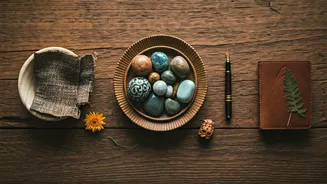
Sometimes the best souvenirs are free, provided by nature itself. A uniquely shaped stone from a remote beach (where permitted), a piece of sea glass worn smooth by the waves, or a fallen pinecone from a memorable hike can be incredibly powerful mementos. The key is to be respectful and aware of local regulations—never take anything from protected areas, national parks, or historical sites. But a simple, natural object, chosen because it caught your eye at a specific moment, can hold more emotional weight than anything you could buy in a store. It’s a tangible piece of a specific time and place, a quiet reminder of a peaceful afternoon or a challenging climb.