






The Monsoon's Dramatic Entrance
To understand why pre-monsoon pruning is so effective, you have to appreciate the dramatic shift this season brings. In places like Arizona, New Mexico, and surrounding areas, the weeks leading up to the monsoon (often in late May and June) are brutally
hot and dry. This period, sometimes called the “foresummer,” puts immense stress on plants. Then, almost overnight, the weather pattern flips. The monsoon arrives with a surge of humidity, cloud cover, and, most importantly, rain. For your balcony plants, this is like going from a desert sauna to a tropical steam room. This sudden infusion of moisture and relief from scorching sun is a massive trigger for growth. Your job is to make sure your plants are ready to take full advantage of it.
Why Pruning Before the Rains Is Key
Pruning isn't just about tidying up; it's a strategic conversation with your plants. Doing it right before the monsoon is like giving them a pep talk and a clear runway for success. First, it stimulates growth. Cutting back a plant encourages it to push out new, fresh foliage and flowers. When you time this just before the rains, the plant can direct the sudden availability of water and nutrients into that new growth, resulting in a lush, vibrant display. Second, it improves air circulation. By thinning out dense, tangled branches, you allow air to move more freely through the plant. This is crucial for preventing fungal diseases like powdery mildew, which thrive in the high humidity the monsoon brings. Finally, it’s a chance to perform some plant first aid. The intense pre-monsoon sun can leave behind crispy leaves and dead, brittle stems. Trimming away this damaged material not only improves the plant's appearance but also removes potential entry points for pests and disease.
Your Balcony Pruning Hit List
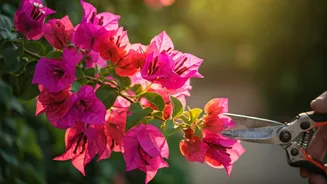
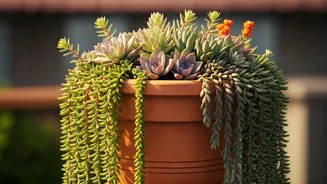
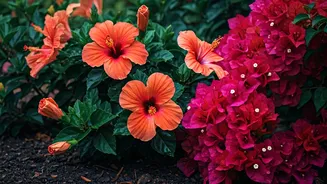
Not all plants need the same treatment. Focus your efforts on the ones that will respond most vigorously to this seasonal cue. Woody perennials and shrubs are prime candidates. Think of popular balcony choices like bougainvillea, which can become leggy and sparse. Pruning it back encourages a bushier form and a spectacular burst of color. Lantana, Texas sage (Leucophyllum), and yellow bells (Tecoma stans) also respond beautifully to a pre-monsoon trim. Use this time to shape them, remove any frost or heat damage from previous seasons, and encourage a denser form. For flowering perennials, you can deadhead spent blooms and trim back any lanky stems to promote a second wave of flowering once the humidity kicks in. However, be cautious with desert natives like succulents and cacti. They are adapted to the dry heat and generally require minimal pruning. For these, simply remove any dead or shriveled parts with clean tools.
Simple Tools, Smart Techniques
You don’t need a professional landscaper’s toolkit for a balcony glow-up. A clean, sharp pair of bypass pruners is your most valuable asset. Wiping the blades with rubbing alcohol between plants is a good habit to prevent spreading any potential diseases. When you make a cut, aim for about a quarter-inch above a leaf node (the small bump on the stem where a leaf or branch emerges) at a 45-degree angle. This encourages the new growth to sprout in the direction you want. The golden rule is not to overdo it. A common mistake is “heading back” everything too severely. Aim to remove no more than one-third of the plant's total mass at a time. The goal is to refresh and reshape, not to scalp it. Stand back frequently to assess your work and ensure you’re maintaining a natural, appealing shape.