



The Fall of Hustle Culture
For the better part of a decade, ‘busy’ was a synonym for ‘important.’ Our calendars were our résumés, and running on fumes was a badge of honor. We romanticized the all-nighter, whether it was pulled by a college student, a startup founder, or a Wall
Street analyst. To be tired was to be in demand. But a cultural shift, accelerated by a global pandemic that forced a collective pause, has quietly dismantled that ethos. Burnout went from a private struggle to a public health conversation. The ‘Great Resignation’ wasn't just about seeking better pay; it was about reclaiming time and sanity. Suddenly, bragging about being perpetually slammed started to sound less like a sign of success and more like a symptom of poor boundaries and a life out of balance. The hero of the story was no longer the person who could function on four hours of sleep, but the one who didn't have to.
From Deprivation to Optimization
The conversation didn't just stop at rejecting exhaustion; it pivoted to actively engineering rest. Sleep transformed from a passive activity into a key performance indicator. This pivot was championed by a new class of influencers: tech CEOs, elite athletes, and wellness gurus who began evangelizing the power of a full eight hours. Figures like Arianna Huffington, who famously collapsed from exhaustion and subsequently launched a wellness crusade, made sleep a cornerstone of the modern success narrative. It was framed not as surrender, but as strategy. Good sleep, the argument went, was the ultimate productivity hack, enhancing focus, creativity, and decision-making. The new brag wasn’t, ‘I was up until 3 a.m. closing a deal.’ It became, ‘My sleep score was 92 last night, my deep sleep is up 15%.’ It’s a subtle but significant reframing: rest is no longer the enemy of ambition, but its most crucial ingredient.
The Sleep-Industrial Complex
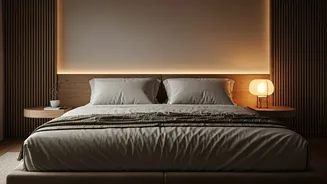
Naturally, where culture goes, commerce follows. An entire ‘sleep-industrial complex’ has emerged to service this new obsession. Achieving optimal sleep is now an expensive, tech-fueled pursuit. It’s about more than a comfortable pillow. It’s about the Oura ring tracking your sleep stages and body temperature, the Eight Sleep mattress that adjusts its temperature throughout the night, the specially engineered pajamas designed for thermal comfort, and the meticulously calibrated sound machine creating the perfect auditory environment. Blackout curtains, blue-light-blocking glasses, and a library of meditation apps complete the arsenal. This gear doesn't just promise better rest; it provides data—quantifiable proof of your commitment to wellness. Posting your sleep stats from a wearable device has become the 21st-century equivalent of showing off a new watch. It’s a humblebrag that says, ‘I’m so successful I can afford to invest heavily in doing nothing.’
The Ultimate Form of Quiet Luxury
In an age of global anxiety and constant digital noise, the ability to truly disconnect and achieve deep rest is the ultimate luxury. It’s a ‘quiet luxury’ that’s more impressive than a logo-splashed handbag. Why? Because it signifies something money alone can't buy: control. To consistently get good sleep means you likely have control over your schedule, your environment, and your mind. It suggests you have the discipline to put your phone away, the financial freedom to create a sanctuary-like bedroom, and a job that doesn't demand your attention at all hours. While a fancy car signals wealth, a well-rested glow signals something more aspirational in today's world: a well-managed life. It's a status symbol that is both invisible and immediately obvious, communicated not through what you own, but through how you show up in the world—calm, focused, and present.