





From Carbs to Consciousness
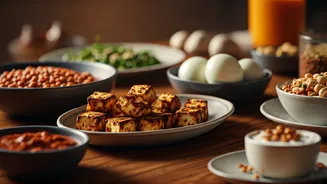
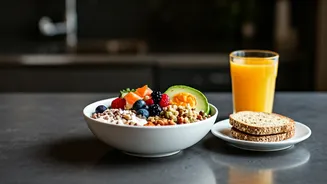
Traditionally, the Indian diet, particularly breakfast, hasn't prioritized protein. Staples like flattened rice (poha), steamed rice cakes (idli), and stuffed flatbreads (paratha) are delicious and deeply embedded in the culture, but they are overwhelmingly
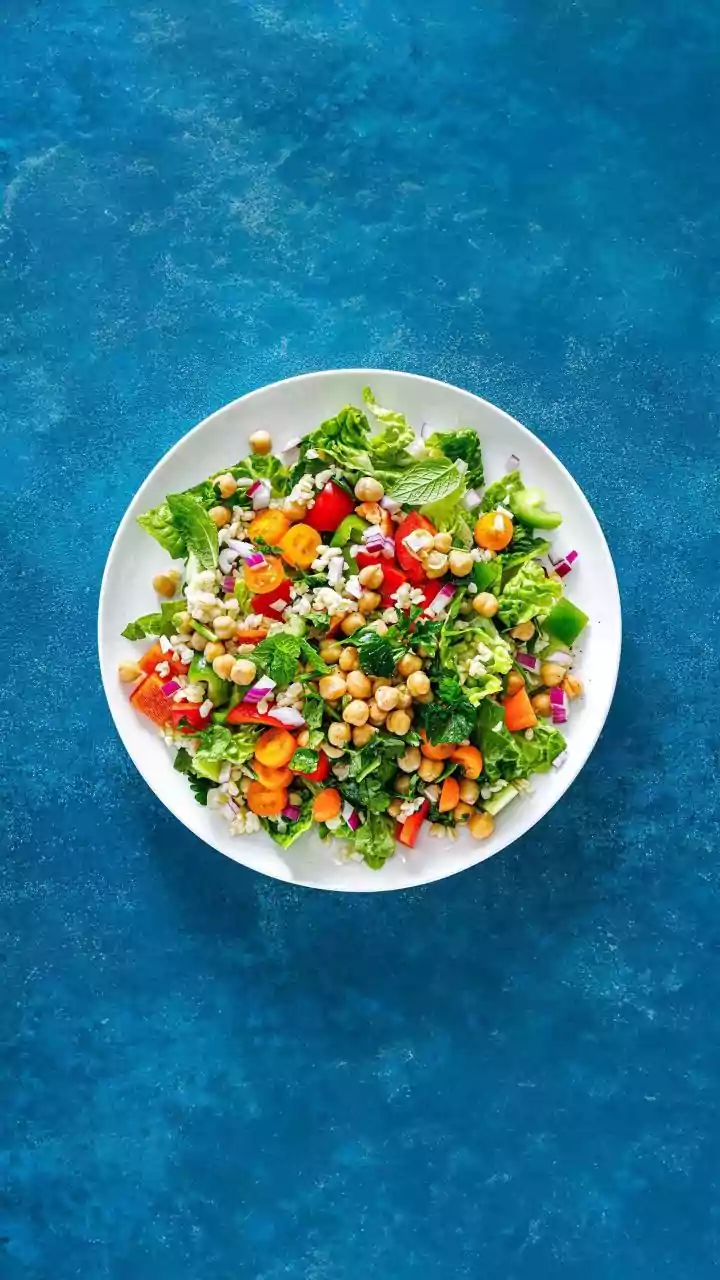
carbohydrate-based. While dals and legumes are a protein source, they typically feature more in lunch and dinner. This carb-centric approach worked for a country historically reliant on agricultural labor, where energy was the primary nutritional goal. Today, however, a new health consciousness is sweeping the nation's cities. Fueled by a greater understanding of nutrition and a shift toward more sedentary, white-collar jobs, millions are realizing their old dietary patterns no longer fit their new lifestyles. The narrative is changing from eating for energy to eating for wellness, and protein has become the undisputed star of this new story.
The Rise of the Urban Wellness Warrior
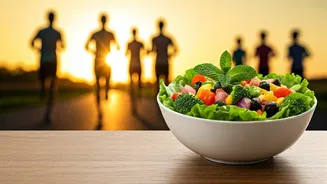
The protein boom is an overwhelmingly urban phenomenon, driven by India's rapidly expanding middle and upper-middle classes. With rising disposable incomes, these consumers have the financial freedom to prioritize health. They are joining gyms, tracking their macros, and investing in their well-being in ways previous generations couldn't imagine. This demographic is also more exposed to global wellness trends. The idea of a protein shake post-workout or a high-protein breakfast to stay full and focused throughout the workday has become mainstream in cities like Mumbai, Bangalore, and Delhi. It's a status symbol as much as a health choice—a signal that you are modern, informed, and invested in self-improvement. This aspirational quality is a powerful engine for a consumer market that is young, ambitious, and highly engaged.
The 'Fitfluencer' Effect
You can't understand modern consumer trends in India without looking at the smartphone. With some of the world's cheapest data plans, hundreds of millions of Indians are on Instagram and YouTube, following a new generation of 'fitfluencers.' These Indian fitness and nutrition creators demystify wellness for their followers, translating global trends into a local context. They share recipes for protein-rich smoothies, review the latest protein bars, and post workout routines, making a high-protein lifestyle seem accessible and aspirational. Unlike Western wellness, which can sometimes feel detached, Indian influencers often blend modern nutritional science with traditional concepts, creating a hybrid approach that resonates deeply. This digital ecosystem has effectively created a massive, nationwide marketing campaign for protein, operating 24/7 in the palm of everyone's hand.
Big Business Sees an Opportunity
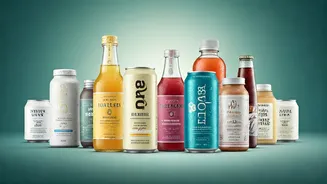
Where consumer demand goes, big business follows. The Indian market is now flooded with products catering to the new protein craze. International giants like Nestlé and Danone are pushing protein-fortified drinks and yogurts. Homegrown dairy behemoth Amul has launched high-protein lassis and milkshakes. But the most explosive growth is in the supplement and packaged food space. A wave of Indian startups are offering everything from whey protein powders in flavors like 'Kulfi' and 'Mango Lassi' to millet-based breakfast cereals and protein bars made with local ingredients. They are succeeding by offering convenience for busy urban lives. Instead of a complex, home-cooked breakfast, the new option is a quick, measurable, and protein-packed meal that fits neatly into a hectic morning schedule. This convenience factor is crucial and is rapidly reshaping morning routines across urban India.