







The New Most-Valuable-Pet-Owner Amenity
Forget the sprawling suburban lawn. The leash, not the lawnmower, is defining the real estate priorities of millions of Americans. The pandemic-era surge in pet adoption, particularly among millennials and Gen Z, solidified a cultural shift that was already
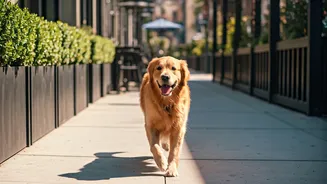
underway: pets are family. And just like you wouldn't move your human family to a place without good schools or a grocery store, a growing number of pet owners won't move to a neighborhood that isn't great for their dog. This isn't just about affection; it's about lifestyle integration. For many younger urbanites, a dog is a constant companion—for weekend errands, brewery visits, and daily exercise. A neighborhood that forces a dog to be left behind is a non-starter. This has elevated 'dog-friendliness' from a quirky perk to a critical piece of infrastructure, right alongside public transit and coffee shops. Real estate agents report that questions like "Where's the nearest dog park?" and "Are there good walking routes around here?" are now as common as inquiries about square footage and storage space.
Anatomy of a Dog-Walkable Neighborhood
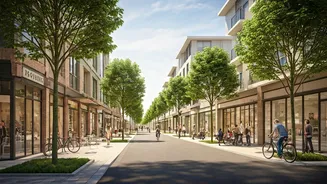
So, what does a truly 'dog-walkable' city look like? It’s a multi-layered ecosystem that extends far beyond a simple strip of grass. The gold standard includes a dense network of well-maintained, wide sidewalks that provide a safe and comfortable walking experience, free from excessive traffic noise and hazards. Bonus points for ample shade and street lighting for those early morning or late evening strolls. Next is the crucial element of green space. This doesn’t just mean one massive, drive-to park. It means a variety of accessible options, from small 'pocket parks' for a quick break to larger, fenced-in dog runs where canines can safely socialize off-leash. Proximity is key; the ideal is having a quality park within a 10-minute walk. Finally, the infrastructure of convenience matters immensely. This includes the proliferation of pet waste stations with readily available bags, water bowls left outside storefronts, and, most importantly, a critical mass of pet-friendly businesses. A neighborhood where you can grab a coffee, sit on a restaurant patio, or browse a local shop with your dog in tow is the ultimate goal for the modern pet parent.
From Niche Desire to Market Driver
This demand is no longer a niche market. It's a powerful economic force influencing urban development and real estate. A 2021 Zillow report found that nearly two-thirds of pet owners consider their pet's needs when deciding on a new home. Developers of new apartment and condo buildings are responding by aggressively marketing their pet-centric amenities. Luxury 'pet spas' with grooming stations, on-site 'bark parks,' and even dedicated 'yappy hour' social events are becoming standard features in competitive urban markets. City planners are also taking note. Recognizing that pet-friendly infrastructure enhances overall quality of life and attracts desirable residents, some municipalities are actively investing in it. Projects that improve pedestrian safety, expand park access, and encourage mixed-use development inadvertently cater to this demographic. This creates a feedback loop: as cities become more walkable and pleasant for people, they also become more appealing to the rapidly growing cohort of people with pets, further justifying these investments.
The Canine Urbanist's Map
While no official ranking exists, a clear map of canine-friendly urbanism is emerging. Cities known for their outdoor culture and active lifestyles are natural leaders. Places like Denver, Austin, and Portland have long cultivated an environment where dogs are a visible and welcome part of the urban fabric. Their extensive trail systems, abundance of parks, and vibrant patio cultures make them magnets for pet owners. But the trend isn't limited to famously 'outdoorsy' cities. Specific neighborhoods in major metropolitan areas are becoming known as havens for dogs and their owners. From Lincoln Park in Chicago, with its access to the lakefront path, to the East Village in New York City, with its high concentration of dog runs and pet-friendly cafes, these micro-communities demonstrate that even the densest urban jungles can be adapted to a four-legged-friendly lifestyle. The key ingredient is a community that sees dogs not as a nuisance to be managed, but as fellow residents to be accommodated.