


What Exactly Is a Study Pod?
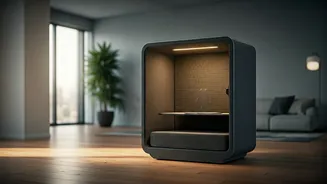
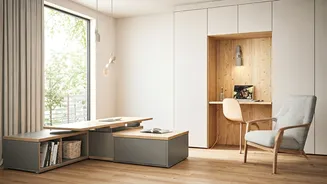
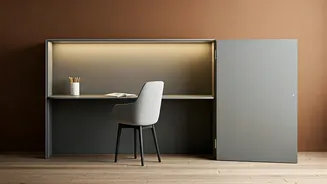
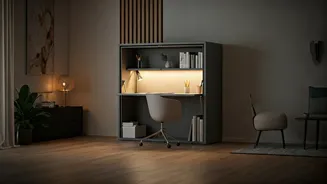
Imagine a private cubicle you can pop up in the corner of your living room and fold away when you’re done. That’s the essence of a foldaway study pod. More than just a desk, it’s a self-contained micro-environment. These pods typically feature a small
desktop surface enclosed on three sides by high panels. The best designs use sound-dampening materials to reduce ambient noise and block visual clutter. Often lightweight and collapsible, they offer a dedicated workspace without requiring a dedicated room, making them ideal for apartments, dorms, and busy family homes where an open-plan layout is the norm.
The Psychology of a Dedicated Space
The primary power of a study pod lies in psychology. Our brains are highly attuned to environmental cues. When you work from the same couch where you watch movies or the same dining table where you eat, your brain receives mixed signals. This can lead to “context contamination,” where the lines between work and relaxation blur, making it difficult to fully engage in either. A study pod creates a powerful environmental trigger. The simple act of sitting inside it signals to your brain: “This is the place for focus.” This physical separation helps you transition into a state of deep work more quickly and stay there longer. It’s a modern application of the age-old writer’s studio or artist’s garret, shrunk to fit a corner of your home.
Blocking Sensory Distractions
Our ability to concentrate is constantly under assault from sensory input. The two biggest culprits at home are visual and auditory distractions. Visually, the high walls of a pod act like blinders on a horse, blocking your peripheral vision. You’re less likely to notice a family member walking by, the cat chasing a dust bunny, or the pile of laundry you’ve been meaning to fold. Auditory focus is just as critical. While a foldaway pod won't create a soundproof booth, the acoustic panels used in many models can significantly muffle the clatter of dishes, the hum of the TV, or the sounds of a video game from the next room. By reducing this constant, low-level sensory static, the pod frees up mental bandwidth that would otherwise be spent ignoring distractions, allowing you to direct it toward the task at hand.
Creating a Ritual for Focus
Beyond its physical attributes, the foldaway nature of the pod encourages a powerful behavioral ritual. The process of unfolding and setting up your pod can become a mini-commute—a deliberate act that prepares your mind for work. You can place your laptop, your notebook, and a glass of water inside, creating a contained and intentional workspace. When your work session is over, the act of folding it away is equally important. It provides a clear, definitive end to your workday, helping you mentally clock out and reclaim your living space for personal time. This ritual reinforces the boundary between work and life, which is crucial for preventing the burnout that plagues many remote workers and students.
DIY Alternatives for a Pod-Like Effect
While a dedicated study pod is an elegant solution, you don’t need to buy one to reap the benefits. The core principles can be replicated with a little creativity. A simple folding screen can be used to partition off a corner of a room, creating a visual boundary. A good pair of noise-canceling headphones can be even more effective than acoustic panels at blocking out sound. You can designate a specific “focus chair” that you only use for deep work, or use task-specific lighting, like a desk lamp that is only turned on during study sessions, to signal to your brain that it’s time to concentrate. The key is to consciously create a distinct environment, no matter how small, that is reserved exclusively for focused tasks.