






A Taste of Home and History
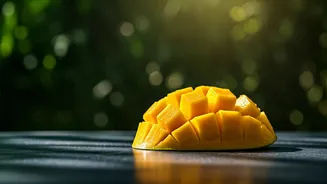
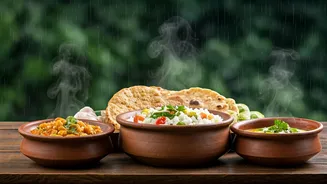
For millions of people, especially those with roots in South Asia, Southeast Asia, and Latin America, the mango isn't just a fruit—it's a powerful symbol of home. It’s the flavor of childhood summers, of street vendors, and of family gatherings. In the U.S.,
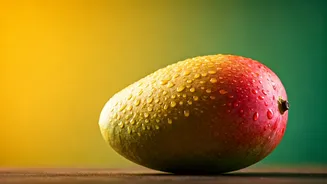
a box of Alphonso or Ataulfo mangoes arriving in a specialty grocery store can be a major event for diaspora communities, a fragrant and delicious link to a distant homeland. This deep cultural resonance comes from a history stretching back over 4,000 years. Originating in the region between northwestern Myanmar, Bangladesh, and northeastern India, the mango was first domesticated millennia ago. It appears in ancient Sanskrit texts and is intertwined with Hindu and Buddhist folklore, often representing love, fertility, and prosperity.
The King of Fruits
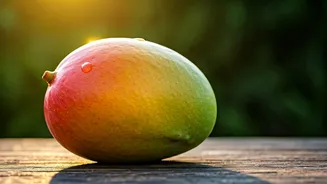
In many parts of the world, the mango is revered as the “king of fruits.” This isn’t just marketing; it’s a reflection of its esteemed place in culture and cuisine. In India, the national fruit, the mango season is a national obsession, with newspapers breathlessly tracking the arrival of the first harvest. Families have passionate debates over which of the hundreds of varieties is superior—the honey-sweet Chaunsa, the fiberless Kent, or the perfumed Langra. This royal status has historical roots. Mughal emperors in India were famous for their love of mangoes, cultivating vast orchards and pioneering grafting techniques to create new, ever-more-delicious varieties. They elevated the mango from a simple fruit to a symbol of power and refined taste, a legacy that continues to shape its perception today.
The Sweetest Form of Diplomacy
Believe it or not, this beloved fruit also plays a role in international relations. Welcome to the world of “mango diplomacy.” For decades, countries like India, Pakistan, and Mexico have used gift baskets of their finest mangoes as a soft-power tool to build goodwill with foreign leaders and dignitaries. When tensions between India and Pakistan are high, the annual exchange of mango crates between their leaders is a closely watched gesture, a small but sweet symbol of a shared heritage that transcends political divides. The U.S. itself has been a recipient, with mangoes serving as a friendly offering in trade negotiations and diplomatic visits. It’s a reminder that sometimes, the most effective way to bridge a gap isn't with a sternly worded memo, but with the universal appeal of a perfect piece of fruit.
A Global Economic Powerhouse
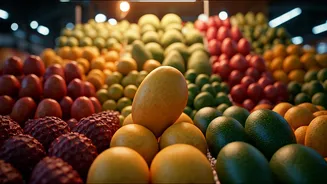
Beyond its cultural and political weight, the mango is a massive global business. It's one of the most widely consumed fruits in the world, supporting the livelihoods of millions of farmers from Mexico to the Philippines. The journey of a mango from a tree in Chiapas to a smoothie in Chicago is a marvel of modern logistics, involving careful harvesting, temperature-controlled shipping, and precise ripening protocols. While we may only see a few varieties in our local supermarket—typically the sturdy, travel-friendly Tommy Atkins or the creamy Ataulfo—the world of mangoes is vast, with over 1,000 different cultivars, each with a unique flavor, texture, and color. This global trade not only satisfies our cravings but also drives economic development and connects agricultural communities across the globe.