
Defining the Multi-Mood Home
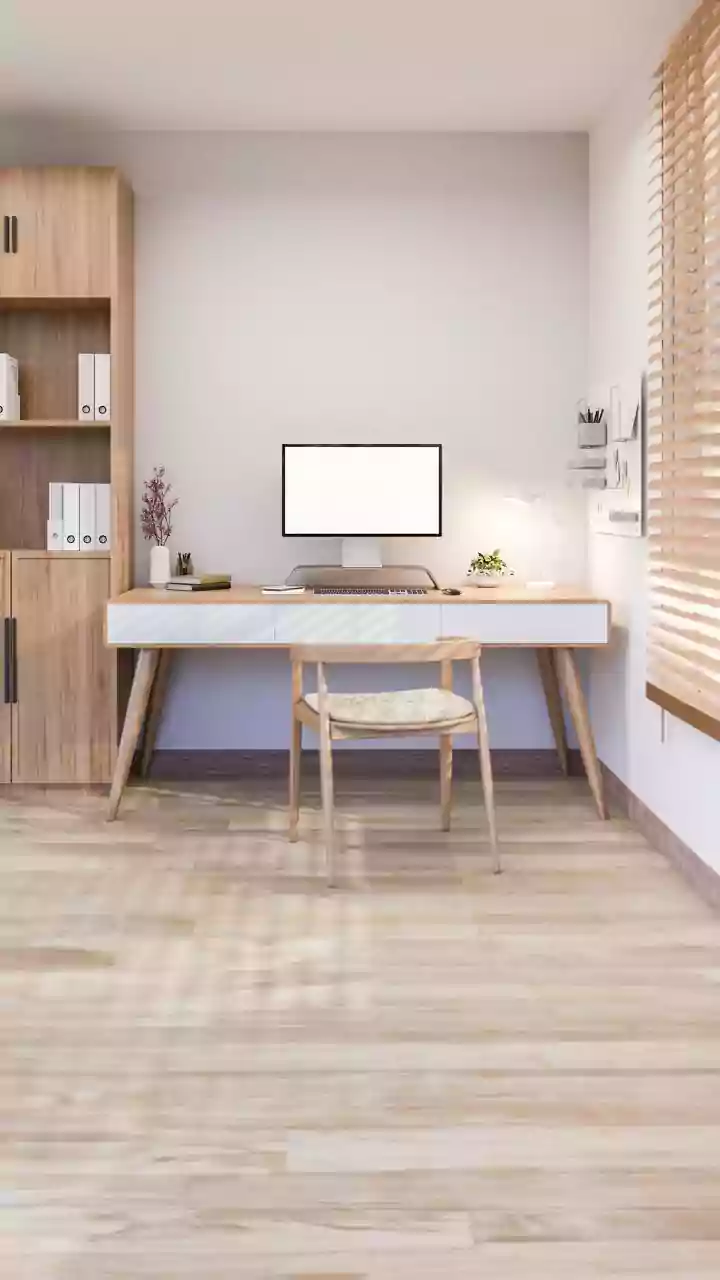
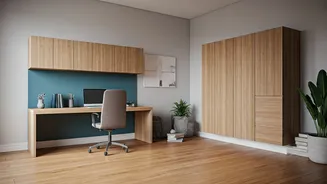
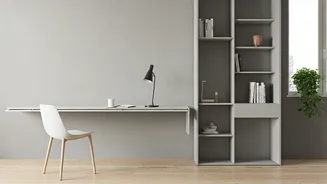
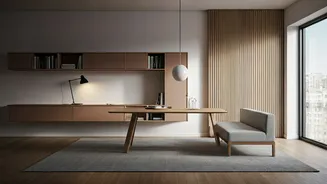
What exactly is a 'multi-mood' or 'multi-functional' space? It’s a design philosophy that rejects the idea of single-purpose rooms. Instead of a dining room that sits empty most of the week or a living room that’s only for watching TV, this approach creates
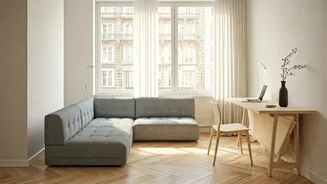
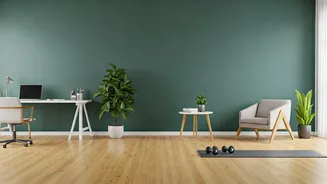
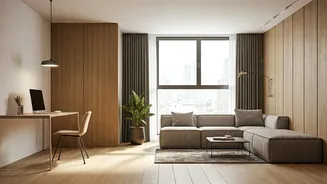
zones that can transform based on the time of day or the task at hand. It’s about making your home work smarter, not harder. A corner of your living room can be a bright, focused home office from 9 to 5 and a cozy, candle-lit reading nook by night. The key is intentional design that anticipates these shifts, using furniture, lighting, and layout to create distinct atmospheres within a single footprint.
Zoning Without Walls
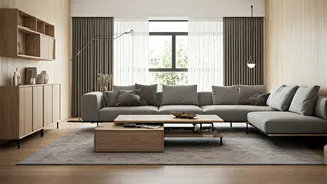
The most effective way to create different 'moods' in one room is through zoning—creating visual and functional separations without building a single wall. This technique tricks the eye into perceiving distinct areas, making the overall space feel larger and more organized. Start with area rugs. A large rug can anchor a living room seating area, while a different style of runner can define a nearby walkway or workspace. Furniture placement is also crucial. A strategically placed sofa with its back to a desk can create a clear boundary between 'work' and 'relaxation.' A tall, open-backed bookshelf can act as a permeable screen, dividing a space while still allowing light and air to flow through, preserving a sense of openness.
Transformative Furniture is Key
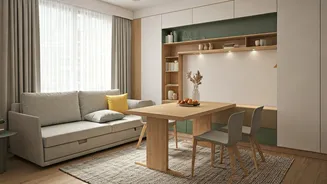
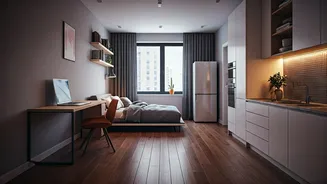
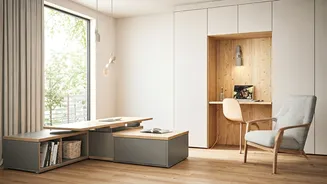
The workhorses of the multi-mood home are pieces of furniture that do double or even triple duty. This goes far beyond the classic sleeper sofa. Modern engineering has given us a wealth of brilliant, space-saving options. Consider a sleek Murphy bed that folds away to reveal a desk or shelving, instantly converting a bedroom into a functional office. Dining tables that expand from a small console to a full-size table for eight allow you to host dinner parties without sacrificing daily living space. Coffee tables that lift to become dining or work surfaces, nesting end tables that can be separated for guests, and modular shelving that can be reconfigured as your needs change are all essential tools in this design arsenal.
Let There Be (Layered) Light
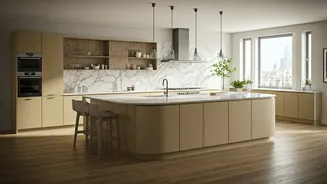
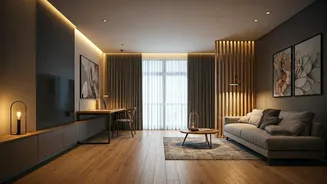
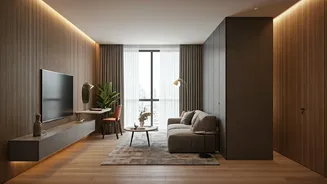
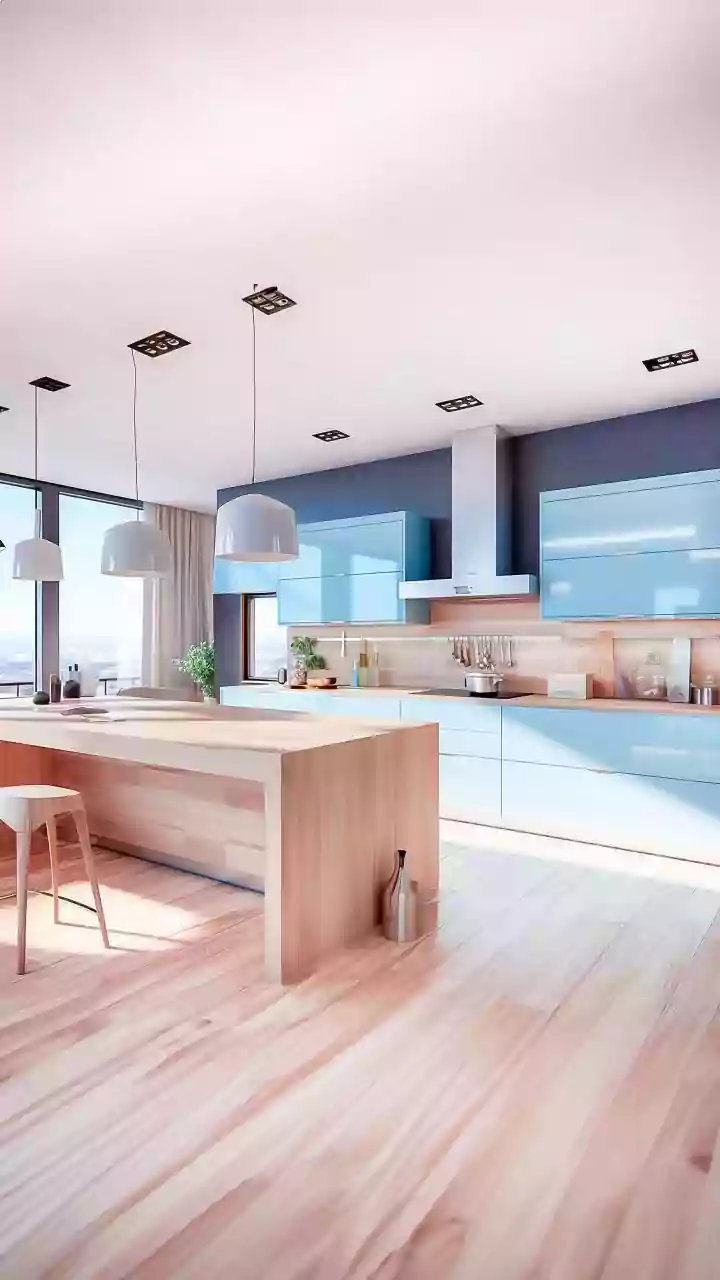
Nothing changes the mood of a room faster than lighting. A single, harsh overhead fixture creates a flat, uninviting environment. The multi-mood approach relies on layered lighting to create depth, warmth, and flexibility. Every room should have three types of light. Ambient lighting provides overall illumination, like a stylish ceiling fixture on a dimmer switch. Task lighting is focused and direct, perfect for activities like reading or cooking—think under-cabinet lights in the kitchen or a dedicated desk lamp. Finally, accent lighting adds drama and personality by highlighting architectural features or artwork. By combining these sources and putting them on separate controls, you can instantly shift a room’s atmosphere from bright and energetic to soft and intimate with the flick of a few switches.