



Jerk Paneer and Rasta Pasta
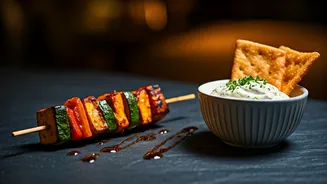
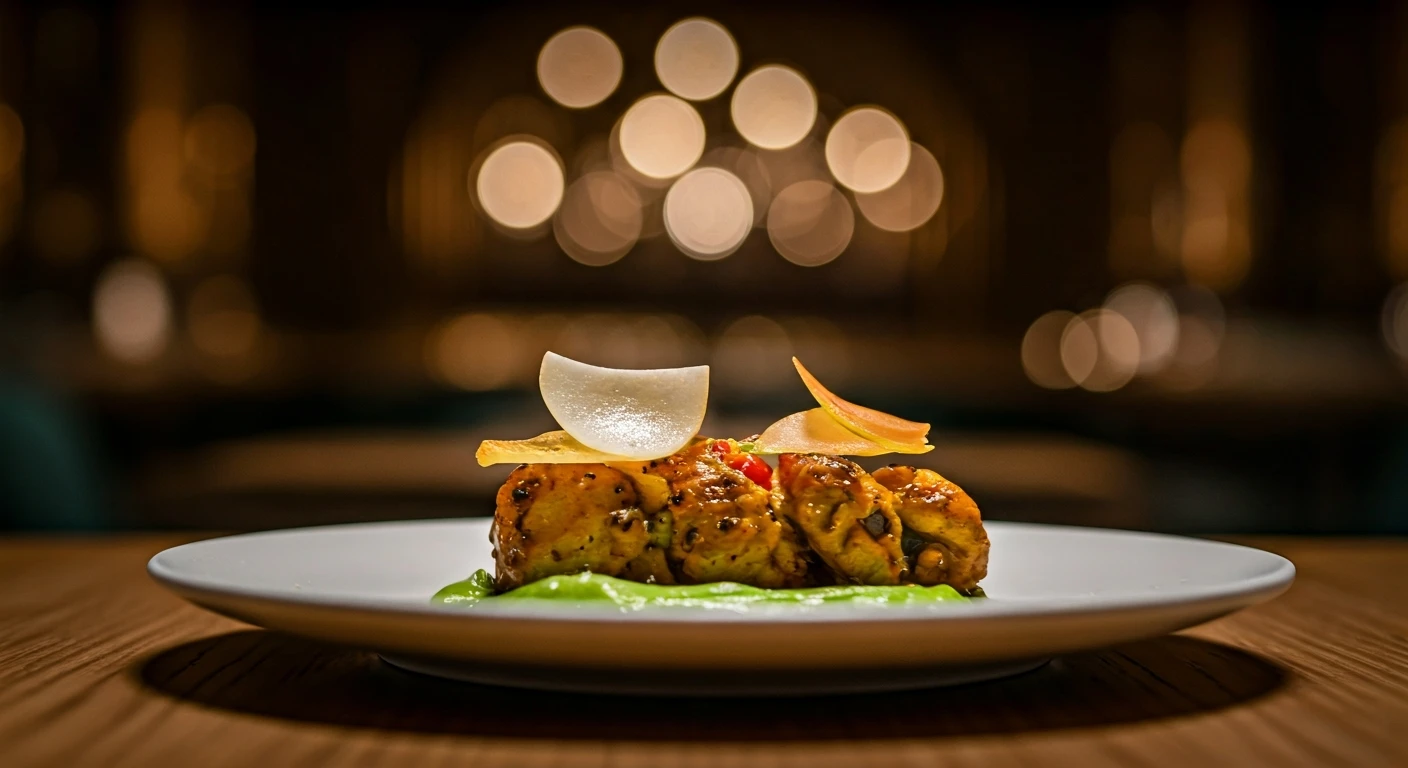
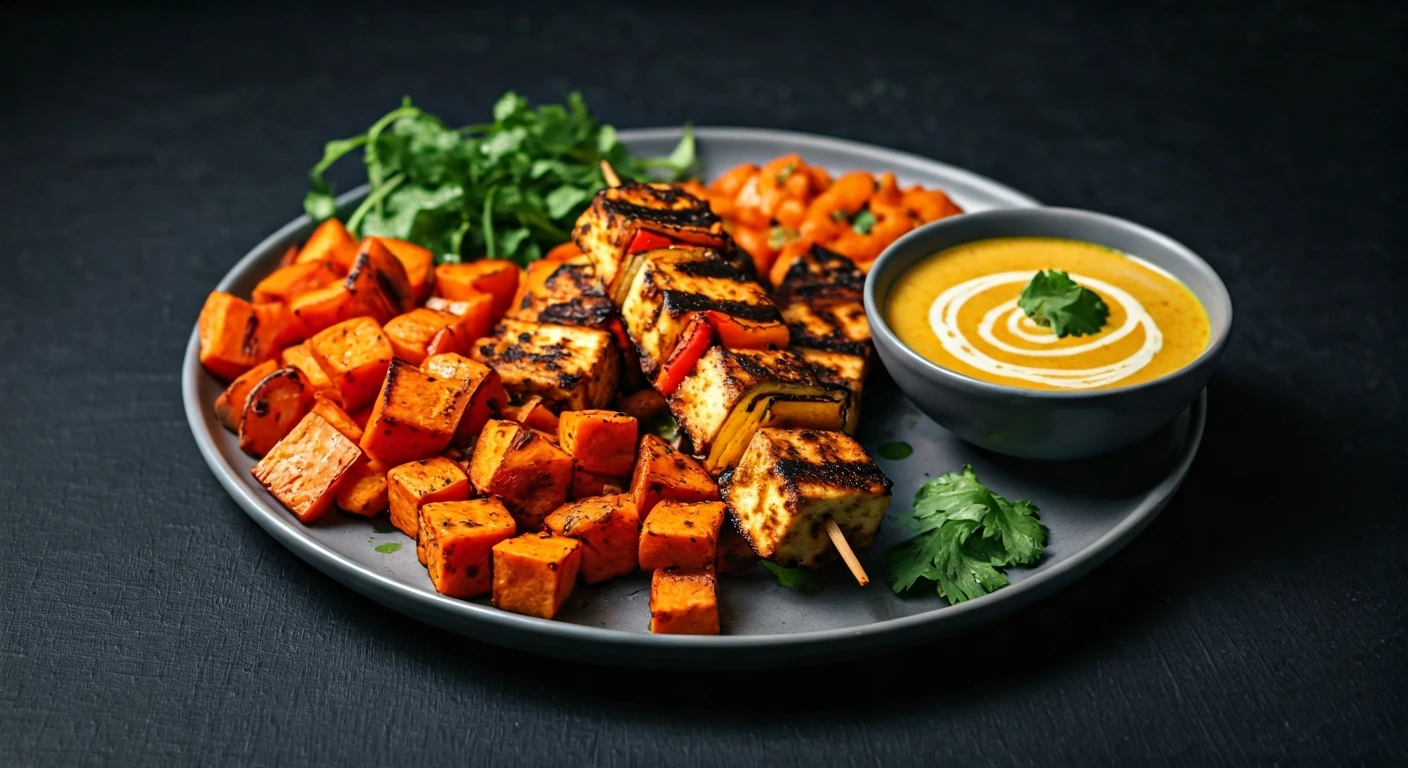
Walk into one of the trendier new restaurants in Delhi or its sprawling satellite city, Gurgaon, and you might notice something unexpected on the menu. Nestled between the familiar and the fusion are dishes that sound like a culinary paradox: jerk paneer
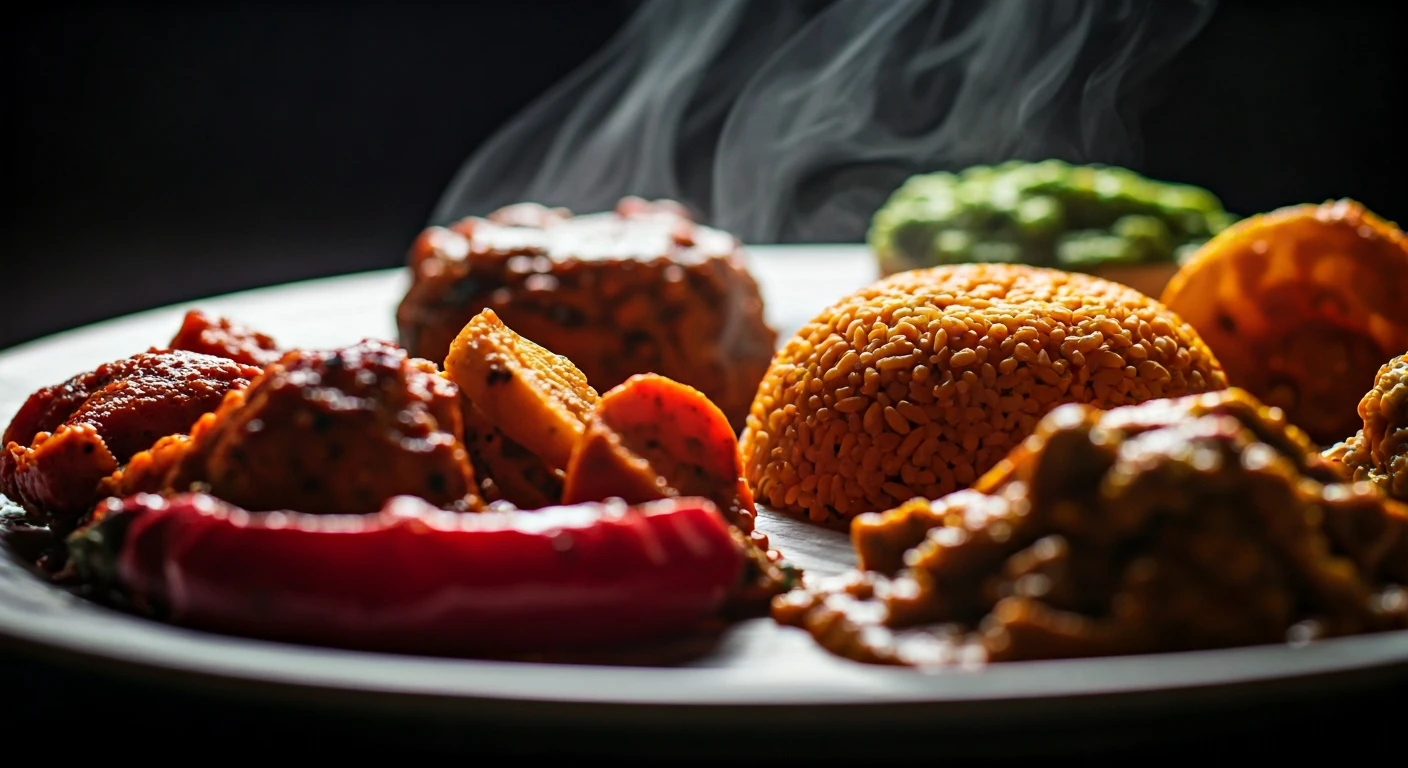
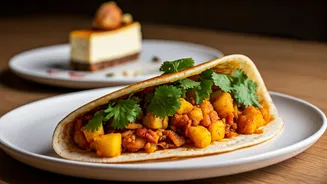
skewers, jackfruit al pastor tacos, and coconut curry with black beans and plantains. These aren't just isolated experiments; they represent a burgeoning micro-trend where the sunny, high-octane flavors of the Caribbean are being reimagined for India’s massive vegetarian palate. For decades, the dominant international cuisines in urban India were Italian, Chinese, and a generalized “Continental.” But a new generation of diners, exposed to global travel and Netflix food shows, is hungry for bolder, more diverse flavors. Restaurateurs are responding by introducing Latin American and Caribbean concepts, but with a crucial adaptation. Instead of focusing on the cuisine’s traditional pillars of pork, chicken, and seafood, chefs are cleverly applying its flavor profiles to local vegetarian staples.
Why the Fusion Works
At first glance, the pairing seems unlikely. Caribbean food is deeply rooted in a history of slow-cooked meats and fresh-caught fish, seasoned with its signature “green seasoning” and fiery scotch bonnet peppers. Indian food, particularly in the north, has a sophisticated vegetarian tradition built around legumes, dairy, and a complex universe of ground spices. But the bridge between these two worlds is flavor intensity. The Caribbean flavor trinity of allspice, thyme, and chili creates a smoky, pungent, and herbaceous heat that is surprisingly complementary to Indian tastes. Delhi’s diners are no strangers to spice; they just experience it through a different lens. The aromatic heat of a jerk marinade, with its notes of clove and cinnamon, doesn't feel entirely foreign. It’s this shared appreciation for bold, layered seasoning that makes the fusion feel inspired rather than forced. It’s less a culture clash and more of a long-lost cousin showing up to the party.
The Perfect Blank Canvas
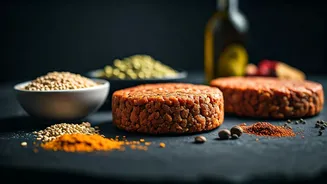
The secret weapon in this culinary crossover is the versatility of vegetarian ingredients. Paneer, the firm, non-melting Indian cheese, is a perfect sponge for the aggressive marinades of jerk seasoning. Its mild, milky flavor allows the spices to take center stage, much like chicken would. It grills and chars beautifully, mimicking the texture of traditional jerk preparations. Similarly, raw jackfruit, with its stringy, meat-like texture, has become a global plant-based superstar. In Delhi’s Caribbean-inspired kitchens, it’s being braised and pulled to stand in for pork in stews and tacos. Other staples like chickpeas, black-eyed peas, and plantains, which are common to both Indian and Caribbean diets, provide a natural, authentic foundation. Chefs aren't just substituting; they're finding the ideal vegetarian medium to carry a specific flavor experience. A dish like 'Rasta Pasta,' traditionally made with chicken or shrimp in a creamy, colorful bell-pepper sauce, finds a new identity with sautéed mushrooms and corn.
A Sign of a Global Palate
This trend isn't happening in a vacuum. It’s part of a larger story about the globalization of food and the rise of plant-based eating. As diners in cosmopolitan hubs like Delhi-NCR become more adventurous, they demand authenticity in flavor but flexibility in ingredients. They want the 'real' taste of Jamaican jerk or Trinidadian curry, but they want it to fit within their dietary norms. This pushes chefs to deconstruct a cuisine to its essential flavors and then rebuild it using local components. It’s a creative challenge that is producing some of the most exciting food in the city. What’s happening in Delhi is a microcosm of a global movement: the idea that no cuisine is off-limits to vegetarians. It’s a move away from the bland “veg option” of the past and toward a future where plant-based cooking is a field of innovation, not limitation.