





Defining the 'Utility' Uniform
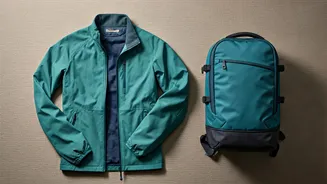
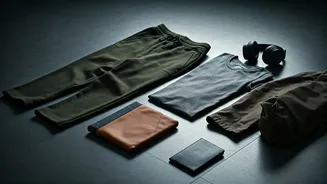
So, what are we talking about? This isn't your grandpa's khaki fishing vest. Think sleek, modern, and deceptively technical. The key pieces are performance-driven trousers made from stretch-woven, water-resistant fabric, often with discreet, zippered
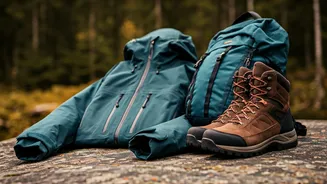
pockets instead of bulky cargo pouches. On top, you’ll see merino wool base layers that regulate temperature from a stuffy cabin to a brisk city street, topped with a packable, windproof or waterproof shell jacket from a brand more associated with climbing mountains than boarding calls. The color palette is typically muted—slate gray, olive green, deep navy, black—reinforcing a sense of purpose over flamboyance. The footwear clinches it: not clunky hiking boots, but lightweight, trail-ready sneakers from brands like Hoka, Salomon, or On that look just as at home on a city sidewalk as they do on a dirt path.
The Psychology of the 'Flex'
Here's where it gets interesting. Wearing this gear is a 'flex,' but it's a different kind of status symbol. It’s not about screaming, “I spent a lot of money on this handbag.” Instead, it whispers, “I’m prepared for anything.” It projects a lifestyle of spontaneity and competence. The person in the Arc’teryx shell and technical pants looks like they could deplane in Denver and head straight for a four-hour hike in the Rockies, even if their only destination is a downtown conference room. This aesthetic is a direct reflection of the Experience Economy, where value is placed on what you *do*, not just what you *own*. In a world of carry-on restrictions and unpredictable travel days, being clad in adaptable, durable, and functional clothing is the ultimate power move. It signals that you’re a savvy traveler who has optimized their kit for maximum versatility, prepared for a sudden downpour, a lost bag, or an impromptu adventure.
How Gorpcore Went Mainstream
This trend didn't appear out of nowhere. It's the natural evolution of 'gorpcore'—a style term for wearing outdoor-functional clothing (Gorp being an acronym for 'Good Ol' Raisins and Peanuts') in urban settings. For years, brands like The North Face and Patagonia have straddled the line between the mountain and the metropolis. But the pandemic accelerated everything. A collective desire to be outdoors, coupled with a work-from-home culture that blurred the lines between comfort and function, made technical apparel an everyday staple. Celebrities started wearing Salomon trail runners for coffee runs, and high-fashion designers began collaborating with outerwear brands. The result is a complete normalization of performance wear. What was once niche gear for serious alpinists is now simply well-designed clothing that works better than the alternatives, making it the perfect choice for the rigors of modern travel.
Nailing the Look, Not the Costume
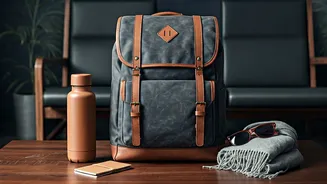
Adopting the airport-to-adventure look is less about buying a whole new wardrobe and more about strategic upgrades. The goal is to look capable, not like you're about to summit Everest. Start with one key piece. The easiest entry point is the pants. Swap your jeans or chinos for a pair of high-quality technical trousers from a brand like Prana, Vuori, or Lululemon. They’re often more comfortable, resist wrinkles, and can handle a spill or light rain with ease. The next step could be a lightweight, packable jacket that can serve as a rain shell or a windbreaker. The key is integration. Pair these functional pieces with your normal travel wear, like a simple t-shirt or sweater. The flex works because it’s subtle—a nod to function and preparedness that enhances your journey without turning it into a performance.