

The Shift from 'Less' to 'Smarter'
For years, the micro-apartment was seen as a last resort—a cramped compromise for a prime location. Today, it’s a canvas for some of the most innovative thinking in residential design. Spurred by rising housing costs in major U.S. cities and a growing
desire for minimalist, sustainable lifestyles, architects and interior designers are embracing the challenge. The new philosophy isn't about simply cramming life into a small box; it's about engineering that box to be as functional, comfortable, and beautiful as a space twice its size. This shift redefines luxury not as excess space, but as hyper-efficient, bespoke design.
Multi-Functional Furniture Is the Hero
The single most important element in a well-designed small flat is furniture that works overtime. This goes far beyond the classic futon. We're seeing dining tables that fold down from a wall to become desks, coffee tables that rise to seat six for dinner, and beds that retract into the ceiling to reveal a full living room underneath. Companies like Ori Living and Resource Furniture have become famous for their robotic and transformable systems that can completely reconfigure a room with the push of a button. A studio can seamlessly transition from a bedroom to a home office to a lounge, making every square inch count.
Going Vertical with Storage
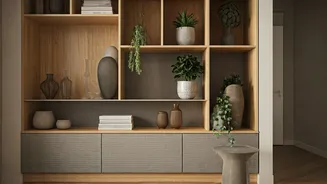
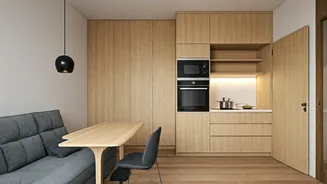
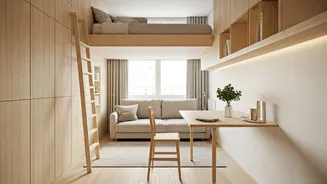
When you can't build out, you build up. Designers are maximizing vertical space with floor-to-ceiling everything. This includes custom shelving that wraps around doorways, sleek cabinetry that extends all the way to the ceiling, and lofted beds that open up valuable floor space for a desk or seating area. By drawing the eye upward, these strategies not only provide crucial storage but also create an illusion of height and spaciousness. The key is integration—making storage look like an intentional part of the architecture rather than a bulky add-on.
The Magic of Light and Mirrors
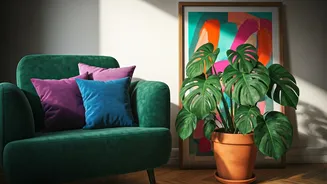
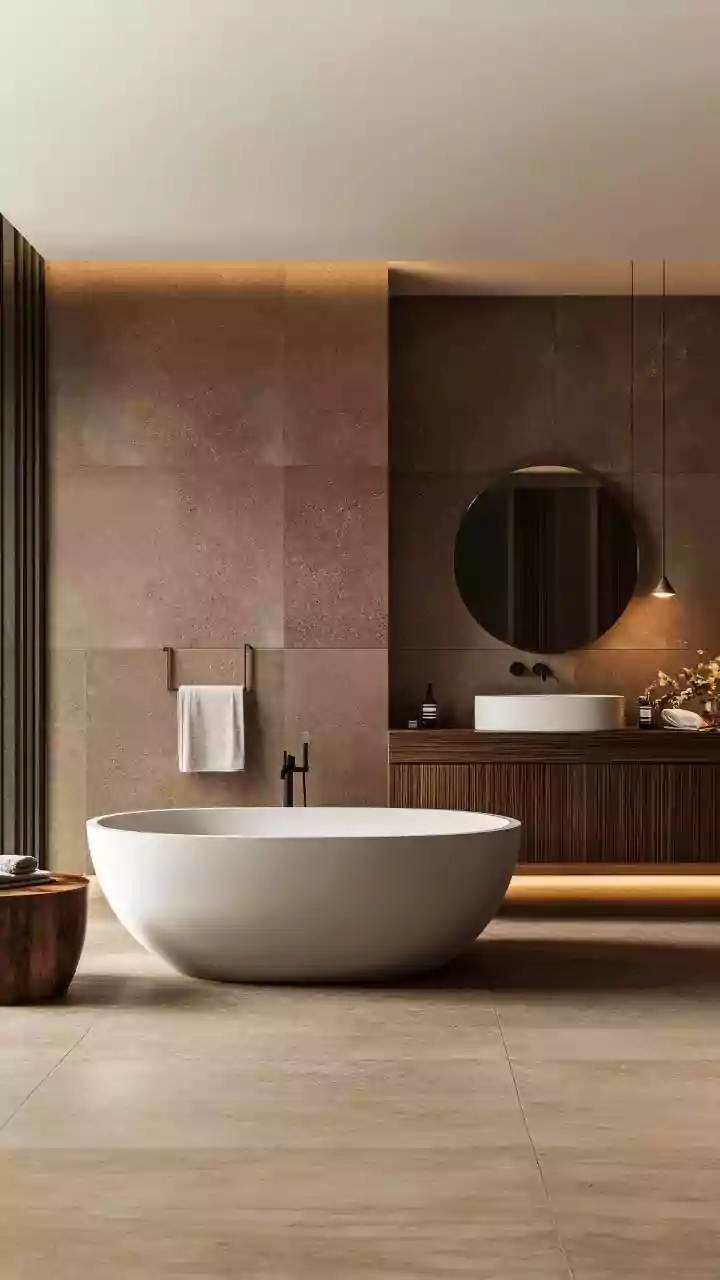
It’s a classic trick for a reason: a well-placed mirror can visually double the size of a room. But modern small-space design uses this principle with more sophistication. Designers are using entire walls of mirrored panels, often with a subtle antique or smoked finish to avoid a 'funhouse' effect. They also prioritize natural light, keeping window treatments minimal and airy. When it comes to color, the old rule of 'all white' is being updated. While a light, neutral palette is still a go-to for creating a sense of openness, designers are strategically using bold pops of color or a single dark, dramatic 'jewel box' room (like a bathroom) to create depth and personality.
Creating Distinct 'Zones'
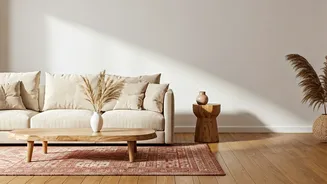
A studio apartment can feel like one chaotic, multi-purpose room. The solution is creating psychological zones, even without walls. This can be achieved in several ways. A strategically placed area rug can define a living area. A slim, open-backed bookshelf can act as a permeable divider between the sleeping and working spaces. Different paint colors or lighting schemes can also signal a shift in function. For example, warm, low lighting can delineate a cozy reading nook, while bright, focused light is reserved for the kitchen or desk area. This thoughtful separation makes a small home feel more organized and expansive.