







Understanding the Panchang
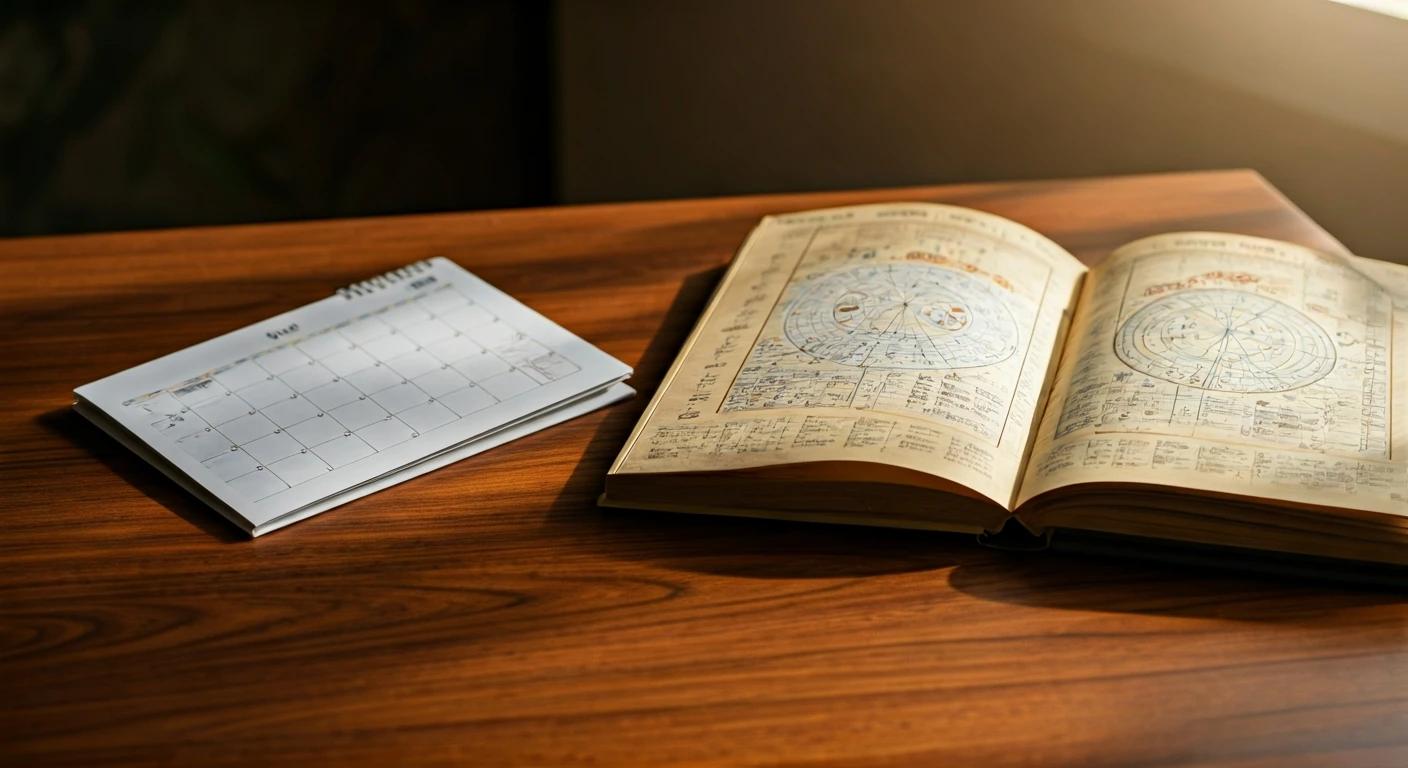
Before diving into the dates, it’s helpful to understand what the Panchang is. More than just a calendar, the Hindu Panchang is a traditional almanac that tracks the movement of celestial bodies. It provides a framework for scheduling rituals, fasts (Vrats),
and important life events. For millions, it's a way to harmonize personal activities with the broader flow of the universe, turning everyday actions into mindful practices. Each day is analyzed based on five elements—Tithi (lunar day), Nakshatra (lunar mansion), Yoga (astrological combination), Karana (half a Tithi), and Var (day of the week)—offering a detailed guide for living with intention.
Yogini Ekadashi: Cleansing and Forgiveness
July begins with a powerful day for spiritual cleansing. Yogini Ekadashi, observed on July 2nd, is dedicated to Lord Vishnu. The 'Ekadashi' Tithi, or the 11th day of the lunar cycle, is considered highly auspicious for fasting and prayer. Observing a Vrat on this day is believed to absolve one of sins and help cure ailments. Devotees often abstain from grains and spend the day in prayer, meditation, or reading scriptures. The story associated with Yogini Ekadashi speaks of forgiveness and redemption, making it a poignant opportunity to release past mistakes and start anew.
Devshayani Ekadashi: The Lord's Rest
The second Ekadashi of the month, Devshayani Ekadashi on July 17th, holds immense significance. The name translates to 'the day the god sleeps,' marking the beginning of Chaturmas, a holy four-month period when Lord Vishnu is believed to be in a state of cosmic slumber. This day signals a time for introspection, spiritual discipline, and focusing on inner growth. Traditionally, auspicious ceremonies like weddings are not held during Chaturmas. For devotees, this Vrat is a commitment to intensifying their spiritual practices, such as chanting, scripture study, and acts of charity, while the divine rests.
Pradosh Vrat: An Evening with Shiva
Dedicated to Lord Shiva and Goddess Parvati, Pradosh Vrat is a fast observed on the 13th day (Trayodashi) of both lunar fortnights. In July, this falls around July 3rd and July 19th. The fast is observed from sunrise to sunset, and prayers are offered during the 'Pradosh Kaal'—the twilight period just after sunset. This window of time is considered especially potent for receiving Lord Shiva's blessings. Observing this Vrat is said to bring prosperity, health, and fulfillment of desires. It’s a powerful practice for those seeking to overcome obstacles and find spiritual peace.
Guru Purnima: Honoring the Teacher
One of the most important cultural and spiritual festivals of the month, Guru Purnima falls on the full moon day (Purnima) of the Ashadha month, which is July 20th or 21st, depending on location. This day is dedicated to honoring one's gurus—spiritual teachers, academic mentors, parents, and anyone who has imparted wisdom. It commemorates the birthday of the sage Veda Vyasa, the legendary author of the Mahabharata. It’s a day of gratitude, where students pay respects to their teachers and reflect on the invaluable role of guidance in their lives. For many, it's a time to renew their commitment to their spiritual path.
Sankashti Chaturthi: Overcoming Obstacles
Falling on July 24th, Sankashti Chaturthi is a monthly observance dedicated to Lord Ganesha, the remover of obstacles. 'Sankashti' means 'deliverance during troubled times.' Devotees fast from sunrise until moonrise, breaking their fast only after sighting the moon and offering prayers to Lord Ganesha. This Vrat is believed to help overcome life’s hurdles, bringing wisdom, prosperity, and success. It's a day to refocus one’s intentions and seek divine assistance in clearing the path ahead, making it a popular observance for those starting new ventures or facing challenges.