



1. Your Produce Is in Peril
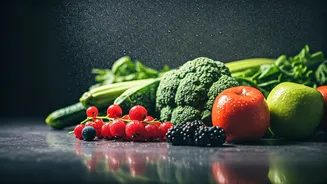
That beautiful head of lettuce or those farmers' market berries are already carrying a certain amount of moisture. When you add high ambient humidity to the mix, you're essentially creating a five-star resort for bacteria like E. coli and Listeria, not
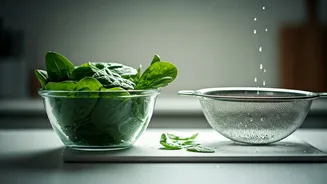
to mention common molds. Condensation can form on produce stored in the fridge, accelerating rot and microbial growth. Berries will fuzz over faster, leafy greens will turn slimy, and even sturdy root vegetables can begin to sprout or soften prematurely. **The Fix:** Don't wash produce until you're ready to eat it; washing adds moisture. Store greens and herbs wrapped loosely in a dry paper towel inside a bag to absorb excess dampness. Check your crisper drawers for condensation and wipe them dry regularly. For heartier items like potatoes and onions, ensure they're stored in a cool, *dry*, and dark place with good air circulation—not under a humid sink.
2. Cross-Contamination Gets Easier
Moisture is the superhighway for bacteria. During humid weather, surfaces that seem dry might retain a microscopic film of water. A wooden cutting board that feels clean can harbor moisture—and salmonella—for hours longer than it would on a dry day. Wiping a counter with a damp sponge and leaving it to air-dry in a humid kitchen is an invitation for bacterial growth. When you place raw chicken on that cutting board or set your grocery bags on that counter, you're increasing the risk of spreading pathogens around your kitchen. **The Fix:** Be extra vigilant with sanitation. Consider using non-porous cutting boards (plastic or glass) for raw meat, and wash them with hot, soapy water immediately. For wooden boards, scrub them well and dry them standing upright to maximize airflow. Regularly sanitize your counters with a proper cleaning solution, and make sure your kitchen sponges or cloths are either microwaved while damp for a minute or swapped out daily.
3. Your Pantry Becomes a Battleground
Your pantry is designed to be a fortress for dry goods, but humidity is its kryptonite. Moisture in the air can infiltrate poorly sealed packaging, turning crackers soft, sugar clumpy, and flour musty. Worse, it encourages the growth of mold and attracts pantry pests like weevils and grain beetles, which thrive in damp conditions. A bag of chips left open on a humid day will go stale in hours, and bread can sprout blue-green spots overnight. **The Fix:** This is the time for airtight containers. Decant items like flour, sugar, cereal, and pasta into glass or plastic containers with tight-fitting lids. Check the seals on your spices and other jarred goods. If you live in an especially humid climate, consider using a small, rechargeable dehumidifier in your pantry. And always, always use a chip clip.
4. The Leftover 'Danger Zone' Widens
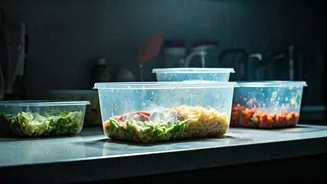
Food safety experts constantly warn about the “danger zone”—the temperature range between 40°F and 140°F where bacteria multiply rapidly. On a hot, humid day, food left on the counter reaches this zone almost instantly. The air itself is laden with moisture that can settle on the food's surface, giving bacteria the water they need to reproduce exponentially. That pizza you left on the counter for an hour is a much riskier proposition in July than it is in January. **The Fix:** Halve the two-hour rule. On days when it's particularly warm and humid, aim to get perishable leftovers into the refrigerator within one hour. When cooling large batches of food like soup or chili, divide them into smaller, shallow containers so they cool down faster, spending less time in the danger zone.
5. Outdoor Eating Gets Tricky
A summer shower or a misty evening shouldn't have to cancel your barbecue or picnic, but it does require a strategy update. Food sitting on a buffet table outdoors is exposed to all the challenges of a humid kitchen, but with the added variables of insects and fluctuating temperatures. Creamy potato salads, mayonnaise-based dips, and deli meats are particularly vulnerable, as they are ideal growth media for bacteria like Staphylococcus aureus. **The Fix:** Keep cold foods cold and hot foods hot. Use coolers packed with ice or frozen gel packs for cold dishes, and don't just set the serving bowl on a table. If possible, place the serving dish directly into a larger bowl filled with ice. For hot foods, use slow cookers on a 'warm' setting or insulated thermal containers. And most importantly, keep foods covered to protect them from both moisture and pests.