








More Than Just Exercise
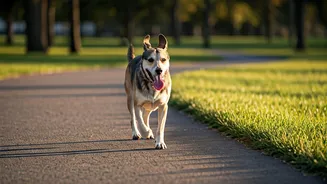
The pavement is still cool, the air is quiet, and the world has not yet woken up to its usual chaotic hum. This is the sacred space of the pet-and-owner morning run. It’s less about hitting a target pace and more about establishing a rhythm for the day.
This isn't just a walk around the block; it's a shared experience, a non-verbal agreement between you and your four-legged partner to start the day with purpose and connection. The consistency of the ritual provides a powerful anchor in our often-unpredictable lives. Your dog doesn't care if you have a big presentation or if you’re dreading a difficult conversation. They only know that at 6 a.m., the leash comes out, and the adventure begins. This simple, reliable joy becomes a form of mindfulness, pulling you out of your own head and into the present moment.
The Two-Way Street of Wellness
The benefits of this routine are profound and flow in both directions down the leash. For the human, it’s an unbeatable form of accountability. It’s much harder to hit the snooze button when a wet nose and expectant eyes are two inches from your face. This enforced consistency builds a solid fitness habit. Beyond the physical, it’s a powerful tool for mental health, releasing endorphins that combat stress and anxiety before the day's pressures even begin. For your pet, especially high-energy dog breeds, a morning run is a physical and mental release valve. A tired dog is a happy dog, and a well-exercised pup is far less likely to engage in destructive behaviors born of boredom. The structured activity satisfies their instinctual need for a 'job,' providing stimulation that a simple backyard visit can’t replicate.
Gearing Up for a Safe Stride
Turning your morning jog into a safe and enjoyable ritual for two requires a little preparation. First, ditch the neck collar for running. A well-fitted harness is crucial, as it distributes pressure across your dog's chest and shoulders, preventing choking or tracheal damage if they pull. Look for harnesses with a front clip, which can help gently discourage pulling without causing discomfort. A hands-free leash that clips around your waist is a game-changer. It frees up your arms for a more natural running form and keeps your center of gravity stable. For early morning or late-night runs, reflective gear for both you and your pet is non-negotiable. LED collars or clip-on lights make you visible to cars and cyclists, ensuring your shared moment of peace doesn't turn into a hazard.
Rules of the Road for Paws and People
Just like a human runner, a dog needs to be conditioned for distance. Don’t expect your pet to go from couch potato to 5K champion overnight. Start with short run-walk intervals, gradually increasing the running portion as their fitness improves. Always pay attention to their cues. Excessive panting, lagging behind, or refusing to move are clear signs they need a break or have reached their limit. The surface you run on matters. Hot pavement can burn a dog's paw pads in the summer, while icy patches present a slipping hazard in winter. Whenever possible, opt for softer surfaces like dirt trails or grass. After every run, check their paws for cuts, scrapes, or embedded thorns. And remember hydration; while you're carrying a water bottle, consider a collapsible bowl for your partner so they can drink safely without lapping up questionable puddle water.
Not Every Dog Is a Marathoner
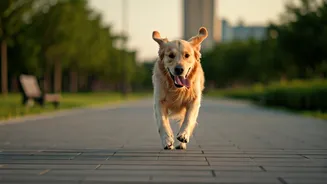
While the image of a golden retriever gliding alongside its owner is idyllic, it’s vital to recognize that not all dogs are built for running. Brachycephalic (flat-faced) breeds like pugs, bulldogs, and Frenchies can have severe breathing difficulties and are prone to overheating, making strenuous running dangerous. Similarly, very large breeds can be prone to joint issues, and tiny dogs may struggle to keep up. Age is also a factor; puppies shouldn't engage in repetitive, high-impact exercise until their growth plates have closed, usually around 12 to 18 months, depending on the breed. The best running companions tend to be energetic, medium-to-large breeds like Weimaraners, Vizslas, and Border Collies. Before you start any new exercise regimen, the most important first step is a conversation with your veterinarian. They can assess your dog's specific health, age, and breed to give you the green light.