




So, What Is This Place?
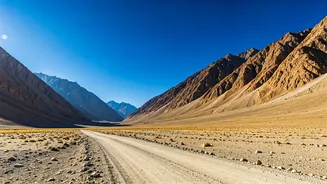
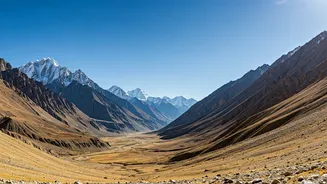
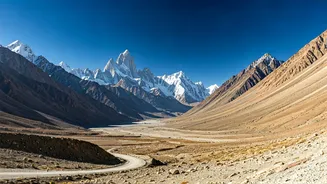
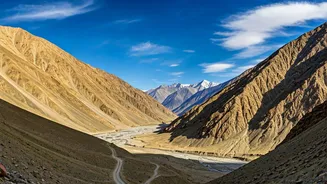
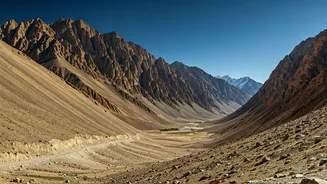
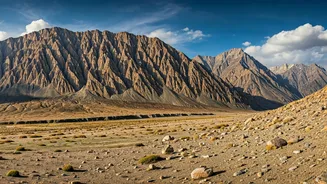
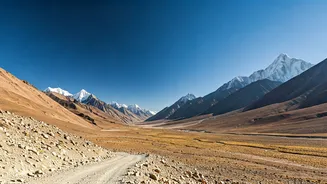
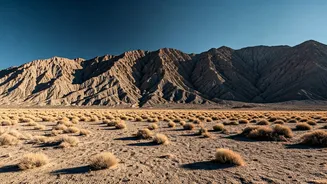
Imagine a world tucked away in the Indian Himalayas, bordering Tibet. That's Spiti. It’s a cold desert mountain valley, often called “Little Tibet” for its stark, lunar landscapes and deeply ingrained Tibetan Buddhist culture. This isn't a place of lush
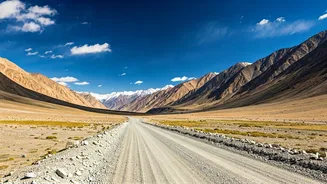
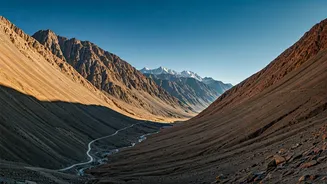
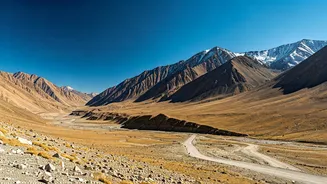
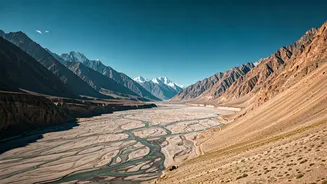
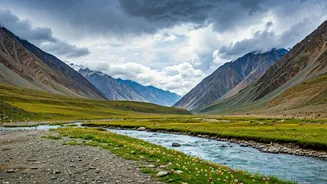
green hills; it’s a dramatic canvas of barren mountains, deep gorges carved by the turquoise Spiti River, and whitewashed monasteries clinging to cliffsides. The air is thin, the sky is a piercing blue, and the silence is profound. For centuries, it was almost completely isolated, which has preserved a way of life that feels worlds away from our hyper-connected reality.
Why June is the Magic Month
Timing is everything with Spiti. For most of the year, heavy snowfall cuts off the main access routes, burying the valley in a blanket of white. But come June, the magic happens. The snowplows clear the high mountain passes, specifically the iconic Manali-Kaza highway, throwing open the doors to the valley for a brief summer window. The weather is spectacular: crisp, sunny days perfect for exploring, and cool, clear nights ideal for some of the best stargazing on the planet. You’re arriving just before the monsoon rains hit the rest of India in July and August, meaning you get pristine views and stable road conditions. It’s the sweet spot—the valley is accessible, vibrant, and at its most welcoming.
The Journey Is The Destination
You don't just *arrive* in Spiti; you earn it. The road trip to get there is a core part of the experience and a rite of passage for adventurers. The most popular route from Manali is a two-day adrenaline rush, crossing the formidable Rohtang and Kunzum passes, both soaring above 13,000 feet. You'll navigate water crossings, gravel roads, and hairpin bends with jaw-dropping views at every turn. It’s a bumpy, dusty, and sometimes challenging drive that weeds out the casual tourist. This journey forces you to slow down, acclimatize to the altitude, and appreciate the immense scale of the Himalayas. By the time you reach Kaza, the main town in Spiti, you already feel like you've accomplished something.
What You'll Actually Do There
Spiti isn’t about ticking off a checklist; it’s about immersion. The highlights are less about specific sights and more about the feeling they evoke. You’ll visit ancient monasteries like the Key Gompa, a sprawling complex that looks like a fortress from a fantasy novel, and the Tabo Monastery, a UNESCO World Heritage site with stunning 1,000-year-old murals. You can send a postcard from the world’s highest post office in Hikkim, look for ibex and blue sheep on the mountain slopes, and trek to remote, high-altitude lakes like the breathtaking Chandratal (the "Moon Lake"). Mostly, you'll spend your time driving between tiny villages, drinking butter tea with locals, and marveling at a landscape that feels utterly untouched by time.
The 'Cool-Kid' Vibe, Explained
So what makes this a “cool-kid” trip? It’s the antithesis of a packaged, luxury vacation. There are no five-star resorts or infinity pools here. The appeal lies in its rawness. You’ll stay in simple guesthouses or family-run homestays, eating delicious, home-cooked meals. You will lose cell service for days at a time, forcing a genuine digital detox. It’s a trip that requires a bit of grit, a love for the outdoors, and a respect for a culture that has thrived in one of the world's harshest environments. It attracts travelers, not tourists—people who are looking to be challenged and changed by a place, not just to consume it. The cool factor isn't about exclusivity; it's about the authenticity of the experience.