





The Last-Minute Sun Seeker
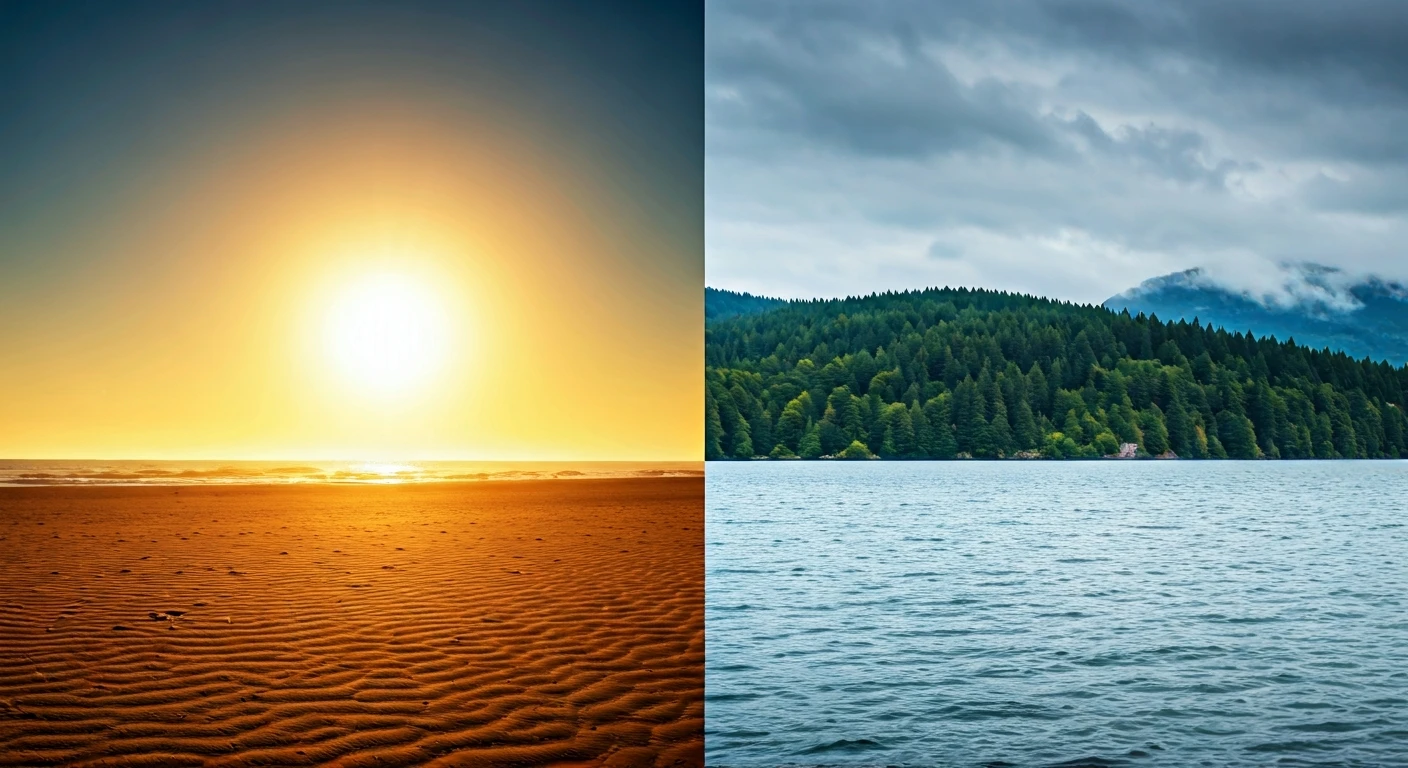
The primary driver of this trend is a simple, powerful emotion: weather fatigue. After days or even weeks of persistent gray skies and drizzle, many Americans are hitting a psychological wall. This is especially true in regions like the Pacific Northwest
or the Northeast during late winter and early spring, where the lack of sunshine can feel relentless. Instead of resigning themselves to another weekend indoors, they’re pulling out their phones. Travel booking sites have reported noticeable spikes in searches for sunny destinations—think Florida, Arizona, Southern California, or Mexico—that correlate with prolonged periods of bad weather in major U.S. metropolitan areas. It’s the modern version of a classic impulse: a desperate, last-minute dash for vitamin D. The trip isn't about elaborate sightseeing; it’s a mission-oriented escape with a singular goal: to feel the sun on your face.
An Assist from Technology
This spontaneous behavior is supercharged by modern technology. A decade ago, booking an impromptu trip to escape the rain was a logistical hassle. Today, it’s a seamless, almost frictionless process. A quick glance at a 10-day forecast showing nothing but rain icons can now be immediately followed by opening a travel app. Airlines and hotels, eager to fill seats and rooms, use dynamic pricing and push notifications to offer tantalizing last-minute deals. The entire ecosystem is built for impulsivity. Your weather app tells you it’s going to be miserable, and your travel app immediately offers a cure. This combination of real-time weather data and on-demand travel booking has turned a vague desire to escape into an actionable, affordable plan that can be executed from your couch in under ten minutes.
Embracing the Gloom: The 'Cozy' Traveler
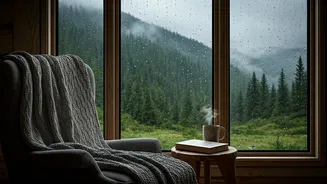
But not everyone is running from the rain. In a fascinating counter-movement, some travelers are actively seeking out moody, atmospheric weather. This is the rise of the “cozy” or “atmospheric” traveler. Instead of booking a flight to Miami, they’re renting a cabin in the misty mountains of North Carolina, a seaside cottage on the foggy coast of Maine, or a quiet lodge in the forests of Oregon. For this group, rain isn't something to be escaped; it’s an essential part of the vibe. The goal is to lean into the feeling of coziness, known by the Danish term 'hygge.' It’s about curling up with a book by a crackling fire, listening to the rain on the roof, and enjoying a sense of peaceful isolation. Social media is filled with aesthetics celebrating this—#cabinlife, #stormwatching, #rainydayvibes—turning what was once considered “bad” weather into a desirable travel amenity.
A More Intentional Relationship with Weather
Ultimately, these trends point to a larger shift in how we think about the elements. Weather is no longer just a passive background condition we endure; it's becoming an active catalyst for our decisions. In an era of climate uncertainty, where seasons feel less predictable, exerting control over our immediate environment—even for a weekend—is an appealing prospect. Whether you’re chasing the sun or embracing the storm, travel is becoming a tool to curate your climate. It reflects a desire to be more intentional about our experiences, refusing to let a bad forecast dictate a bad mood. It’s about deciding what kind of weather you want to experience and then going out and finding it.