








What Exactly Changed?
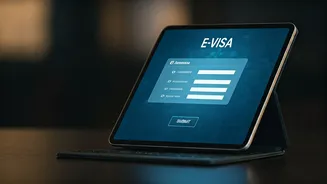
Japan has officially rolled out an electronic visa (e-visa) system for Indian passport holders seeking short-term tourist stays. The new process allows applicants to complete the entire visa procedure online, from filling out the application to paying
the fee. Once approved, the traveler receives a digital "visa issuance notice" on their smartphone, which they present at the airport upon departure. This move digitizes a process that was notoriously analog, bureaucratic, and time-consuming, effectively removing major barriers to entry for millions of potential travelers.
The 'Before' Picture: A World of Paperwork
To appreciate the magnitude of this shift, consider the old system. An Indian citizen planning a trip to Japan had to gather a mountain of physical documents: passport photos with specific dimensions, bank statements proving sufficient funds, a detailed day-by-day itinerary, flight and hotel bookings, and employment letters. These documents then had to be submitted in person at a visa application center, followed by a waiting period of several days or even weeks. Any small error could result in rejection, forcing the applicant to start over. This friction-heavy process acted as a significant deterrent, making spontaneous or last-minute trips to Japan nearly impossible for the average Indian tourist.
Why This Is a Game-Changer for Travelers
The e-visa grants Indian travelers something they’ve long sought: efficiency and predictability. By moving online, the system eliminates the need for physical appointments, couriers, and the anxiety of handing over a passport for an indeterminate period. This reduction in hassle is what experts mean by “travel power.” It empowers individuals to plan trips with more confidence and less lead time. For a burgeoning class of young Indian professionals and families with disposable income, a week-long trip to see cherry blossoms or explore Tokyo’s vibrant culture moves from a complex logistical challenge to a straightforward online booking process, much like booking a flight.
Japan's Strategic Economic Play
This policy change is not merely an act of goodwill; it's a calculated economic strategy. Post-pandemic, Japan is aggressively courting international tourists to bolster its economy, especially with the yen at a multi-decade low against the U.S. dollar, making it a highly affordable destination. While Japan has long been popular with tourists from East Asia and the West, it has identified India as a massive, relatively untapped market. With a population of 1.4 billion and a rapidly growing middle class eager to travel, India represents a colossal opportunity. By simplifying the visa process, Japan is positioning itself as the most accessible premium destination in East Asia for Indian travelers, aiming to capture a significant share of their tourism spending.
A Sign of Shifting Global Tides
The Japan-India e-visa arrangement is also a barometer of larger geopolitical trends. Both nations are key members of the Quad (Quadrilateral Security Dialogue), alongside the U.S. and Australia, and have been strengthening their economic and strategic ties as a counterbalance to China's influence in the region. Easing travel restrictions fosters deeper cultural and person-to-person connections, reinforcing this diplomatic alignment. Furthermore, it reflects a global recognition of India's rising economic might. As more countries compete for the Indian tourist dollar, cumbersome visa processes are becoming a competitive disadvantage. Japan's move is likely to pressure other developed nations to similarly streamline their own visa policies for Indian citizens.