


Embracing the Downpour
For many Americans, planning a vacation revolves around avoiding rain. We chase the sun, scrutinize forecasts, and see gray skies as a trip-ruiner. But in Kerala and Karnataka, two states nestled in India's southwestern corner, the rainy season isn't
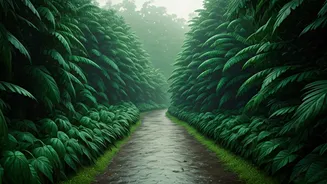
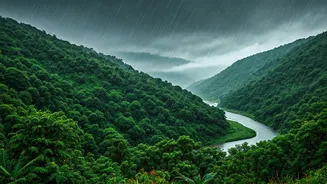
an inconvenience—it's the main event. From June to September, the Southwest Monsoon rolls in from the Arabian Sea, drenching the mountainous region known as the Western Ghats. This isn't a gentle drizzle; it's a life-giving deluge that awakens the landscape from its dry-season slumber. Rivers swell, hillsides turn an almost impossibly vivid green, and the air fills with the rich, earthy scent of petrichor. For travelers willing to trade a swimsuit for a rain jacket, the monsoon offers a glimpse of this region at its most powerful, primal, and poetic.
Wayanad's Thundering Spectacle
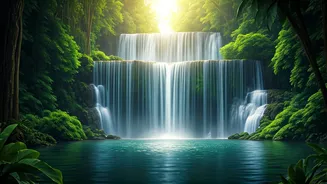
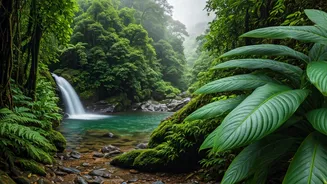
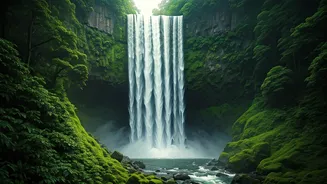
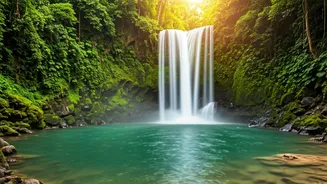
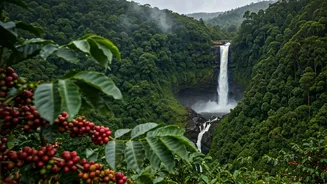
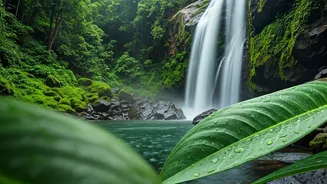
Nowhere is the monsoon’s power more evident than in the Wayanad district of Kerala. This high-altitude plateau, famous for its spice plantations and mist-shrouded hills, becomes a paradise for waterfall chasers. During the dry months, waterfalls like Soochipara (Sentinel Rock) and Meenmutty are elegant but tame trickles. Come the rains, they transform into roaring, multi-tiered monsters. Soochipara, which means "Needle Rock," sends a powerful jet of water crashing into a deep pool below, its spray creating a permanent cloud of mist. Reaching these spots often involves a short, slippery trek through dense forest, an adventure in itself. The soundtrack isn't one of quiet nature, but of a constant, percussive roar of water on rock, a testament to the sheer volume of rain the Ghats can absorb and unleash.
The Soul of Coorg's Coffee Country
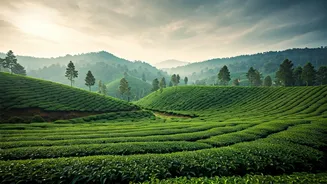
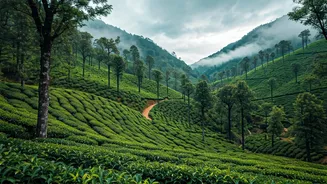
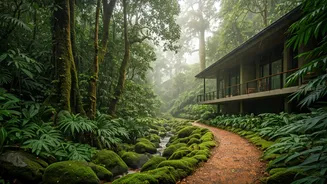
A short drive north from Wayanad takes you across the state border into Karnataka and the district of Kodagu, better known by its anglicized name, Coorg. Dubbed the "Scotland of India," Coorg is a rolling expanse of hills carpeted with coffee plantations. During the monsoon, this landscape becomes even more dramatic. Low-hanging clouds drift through the valleys, clinging to the shade-grown coffee bushes and silver oak trees. The shiny, dark-green coffee leaves, dotted with rainwater, glisten against the grey sky. It's a deeply atmospheric setting, one that encourages you to slow down. The quintessential Coorg experience during this season is holing up in a plantation bungalow or homestay. You can spend hours on a veranda, sipping locally grown coffee, watching sheets of rain sweep across the hills, and listening to the rhythmic drumming on the tiled roof. It's a cozy, introspective alternative to the kinetic energy of Wayanad's waterfalls.
A Journey for the Senses
Traveling through Wayanad and Coorg during peak rain season is less about ticking off sights and more about total sensory immersion. It's the feeling of cool mist on your face as you stand near a waterfall. It's the earthy smell of wet soil mixed with the faint aroma of pepper vines and cardamom plants. It’s the visual feast of a thousand shades of green, from the bright lime of new-growth tea leaves to the deep emerald of the rainforest canopy. Even the food seems to complement the weather, with many local homestays serving hot, spicy curries and fried snacks that feel like the perfect antidote to a damp evening. While the rain might mean occasional travel delays or the need for a good pair of waterproof boots, the rewards are immense. The landscape is alive and animated, a stark contrast to the parched, quiet stillness of the hot summer months that precede it.
The Off-Season Advantage
Beyond the aesthetics, visiting during the monsoon has a practical upside: you escape the crowds. This is considered the off-season for tourism, meaning you’ll have many of these breathtaking landscapes almost to yourself. The frenetic energy of peak tourist season is replaced by a serene, unhurried pace. You're not just a tourist passing through; you're a witness to a crucial, cyclical event that defines the ecology and culture of the region. It’s an opportunity to see a destination not as a static postcard, but as a living, breathing entity in a moment of dramatic transformation. It's a trip for the traveler who understands that sometimes, the 'worst' weather makes for the best stories.