







The Good News: Widely Safe Plants
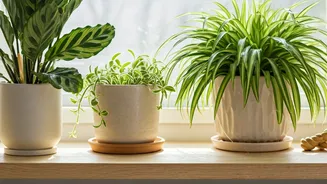
Many beautiful and culturally significant plants are perfectly safe for your curious cats and dogs. The Spider Plant (Chlorophytum comosum), with its cascading green and white leaves, is a classic for a reason: it's non-toxic and a powerful air purifier.
Similarly, the Money Tree (Pachira aquatica) is considered safe by the ASPCA and adds a touch of good fortune without the risk. Another great option is the Areca Palm (Dypsis lutescens), which brings a lush, tropical feel indoors and is completely pet-friendly. These plants allow you to create a vibrant indoor garden without worrying about a nibbling pet getting sick.
Tulsi (Holy Basil): Handle With Care
Tulsi is a cornerstone of many Indian households, revered for its spiritual and medicinal properties. The good news is that Holy Basil (Ocimum tenuiflorum) is not listed as toxic to dogs, cats, or horses by the ASPCA. This means a curious sniff or a single nibbled leaf is unlikely to cause a major issue. However, like many herbs, consuming it in large quantities can lead to gastrointestinal upset, such as vomiting or diarrhea. It’s wise to keep your Tulsi plant in a spot where your pet can’t graze on it freely, like on a higher windowsill or a dedicated plant stand. This respects the plant's special place in your home while keeping your pet’s tummy happy.
The Caution Zone: Common but Toxic
Unfortunately, some of the most popular houseplants, common in homes across the U.S. and India, pose a significant risk to pets. The ubiquitous Money Plant is often a Pothos (Epipremnum aureum), which contains insoluble calcium oxalates. Chewing or biting into it can cause intense oral irritation, pain, swelling of the mouth, drooling, and vomiting. Similarly, Aloe Vera is great for human skin but toxic for pets if ingested, leading to vomiting and diarrhea. And while beautiful, nearly all varieties of Lilies are extremely toxic to cats, with even a small amount of pollen or a few bites leading to severe kidney failure. These plants are best kept out of homes with cats entirely.
Marigolds: A Surprising Nuance
Marigolds (Tagetes species) are fixtures in gardens, balconies, and celebrations. When it comes to pet safety, the answer is nuanced. According to the ASPCA, Marigolds can cause mild gastrointestinal upset if eaten and potential skin irritation if your pet rubs against them frequently. They are not considered highly toxic in the way lilies are to cats, but they aren't completely benign either. The sap may be irritating, so it's best to discourage your dog or cat from making a snack out of the flowers or leaves. If you notice mild symptoms like vomiting after your pet has been near your marigolds, it’s a good idea to move the plant out of reach.
Simple Steps for a Pet-Safe Home
Creating a safe environment doesn't mean giving up your favorite plants. It's about smart placement and management. First, identify all your plants and check their toxicity status on the ASPCA's comprehensive online database. For any plants that are toxic or irritating, move them to high shelves, inaccessible rooms, or hanging planters that keep them well out of your pet’s reach. You can also use pet-safe deterrent sprays with bitter scents to discourage chewing. For highly toxic plants like Sago Palms or Lilies (for cat owners), the safest choice is to re-home them with a friend who doesn't have pets. When in doubt, always opt for a plant you know is 100% safe.