



Embrace the Slower Pace
First, let’s reframe the rain. Our obsession with perfect, cloudless skies often forces us into a frantic, checklist-driven style of travel. We rush from one sun-drenched landmark to the next, battling crowds and heat, determined to extract every drop
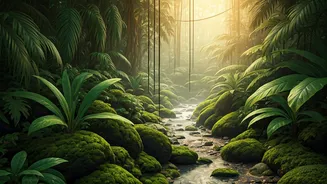
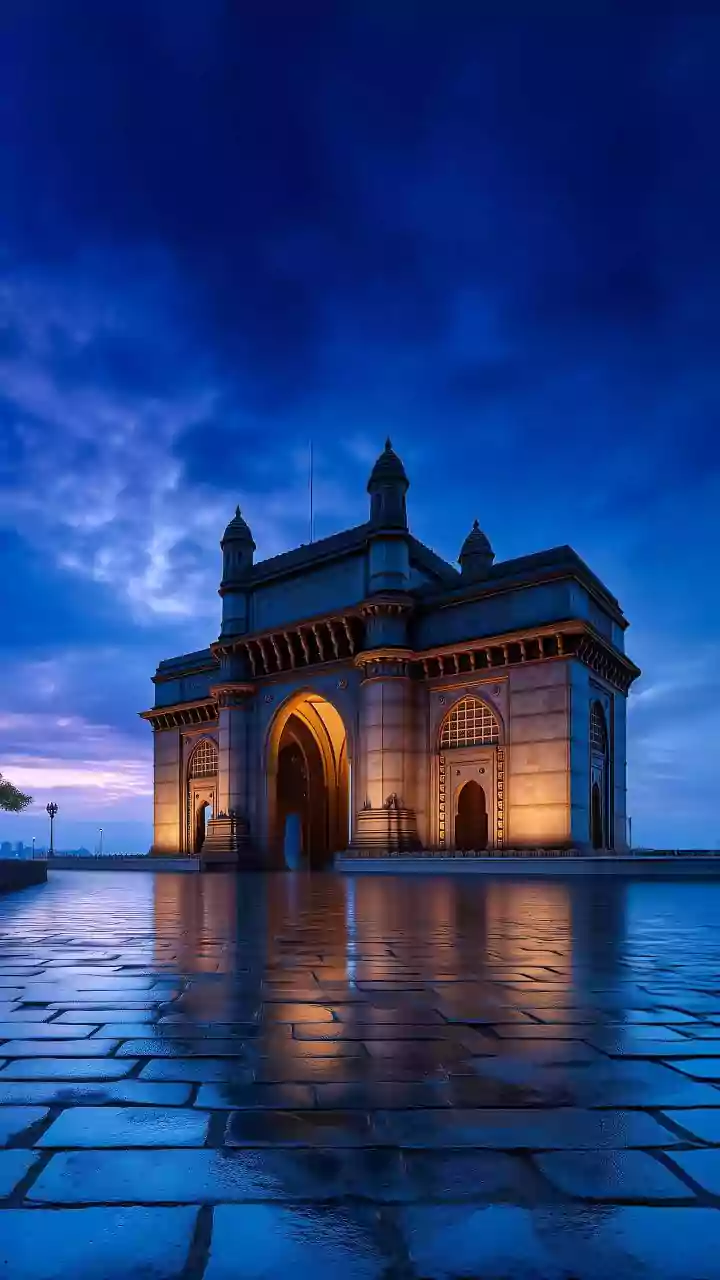
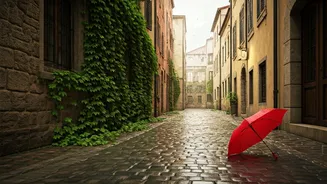
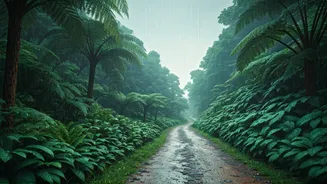
of golden-hour value. The monsoon season short-circuits this impulse. When the heavens open, the world slows down. The teeming streets of a city like Bangkok or Mumbai take on a different rhythm. The frantic energy dissipates, replaced by a gentle, percussive soundtrack of rain on corrugated roofs and awnings. This enforced pause is a gift. It nudges you off the tourist superhighway and encourages you to observe, to listen, and to simply be present. The air, washed clean, smells of wet earth and blooming flowers. The landscapes, particularly in places like Costa Rica or Vietnam’s highlands, explode into a thousand shades of electric green. Fewer tourists mean more space, more authenticity, and lower prices—a travel trifecta that’s hard to beat.
The Cafe as a Cozy Sanctuary
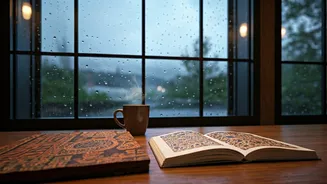
When the downpour becomes a deluge, the humble cafe transforms into the ultimate sanctuary. It's far more than just a place to wait out the storm; it's the social and cultural living room of the neighborhood. In a Chiang Mai coffee shop, you’ll find expats, digital nomads, and local students huddled over laptops and books, the aroma of fresh-ground Arabica mixing with the scent of rain. In a historic cafe in Goa, you might spend an afternoon sipping chai, watching the world go by through a steamy window, and feeling the colonial-era architecture settle around you. These are not sterile, transactional spaces. They are places of community and comfort. A cafe offers a dry seat, reliable Wi-Fi, and a front-row view of local life. It’s where you can finally read that novel you packed, write in your journal, or strike up a conversation with the person at the next table. It’s a low-cost, high-reward activity that allows you to feel like a participant in the city's daily life, not just a visitor passing through.
Culture Without the Crowds
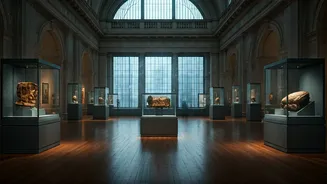
The rain is a powerful cultural curator. It herds you away from the beaches and outdoor markets and pushes you straight toward a destination’s artistic and historical heart. Suddenly, that museum you might have skipped looks like the most inviting place in the world. And without the peak-season crowds, you can experience it properly. You can stand before a painting for ten minutes without being jostled. You can wander through ancient temple corridors, like those at Angkor Wat during Cambodia’s green season, feeling a sense of discovery that’s impossible when you’re just one in a thousand-person queue. This is your chance to explore the niche galleries, the independent cinemas showing local films, the dusty antique shops, and the quirky national museums dedicated to everything from textiles to wartime history. These indoor havens are treasure troves of stories and context, providing a deeper understanding of the place you’re visiting that you’d never get from a beach chair.
The Real Souvenir Is the Story
Ultimately, traveling during the monsoon teaches a valuable lesson: the most memorable trips are rarely the ones that go perfectly according to plan. The unexpected dash through a sudden shower, the discovery of a tiny, family-run restaurant while seeking shelter, the three hours spent in a bookstore because it was too wet to leave—these are the moments that become the best stories. They foster resilience, spontaneity, and a sense of genuine adventure. You learn to connect with a place on its own terms, not the idealized version you saw on Instagram. By embracing the rain, you’re not settling for a lesser vacation. You are opting into a more intimate, atmospheric, and culturally immersive experience. You trade the sunburn for a deeper connection and a collection of memories that feel earned, unique, and entirely your own.