


A Tradition of Ingenuity
Before TikTok trends and foodie influencers, there was the Indian home kitchen—a place where resourcefulness isn't a fad, but a foundation. The idea of transforming last night's meal into today's lunch, known as “jugaad” in a broader cultural sense, is a time-honored
practice. Grandmothers and mothers have been kneading leftover dal into dough for parathas for generations. What’s new is the platform. Second- and third-generation Indian Americans are now taking these family hacks, adding their own cross-cultural twists, and sharing them with a global audience. It’s a celebration of heritage that’s also incredibly practical, sustainable, and, most importantly, delicious. This isn’t just about saving food from the trash; it’s about recognizing the inherent value and versatility in every component of a meal.
The Roti Quesadilla (or 'Rotidilla')
Perhaps the most iconic example of this trend is the 'rotidilla.' Take a day-old roti or chapati—often a bit stiff and uninspiring on its own—and you have the perfect tortilla substitute. Layer it with cheese, leftover sabzi (vegetable curry) like aloo gobi, or spiced chicken, fold it, and toast it in a pan with a little ghee or oil until golden and crispy. The result is a magnificent fusion snack: the familiar, comforting crunch of a quesadilla combined with the complex, aromatic flavors of Indian spices. It’s a two-minute meal that feels both novel and nostalgic, which is exactly why short-form video clips of its creation have racked up millions of views. It perfectly encapsulates the trend: low-effort, high-reward, and endlessly adaptable.
Dal Gets a Second Life
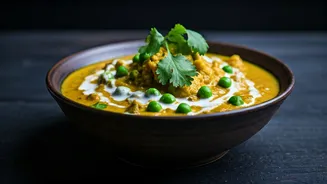
Leftover dal, the soul-warming lentil soup that’s a staple in nearly every Indian household, is a powerhouse of potential. While traditionally mixed with flour to make savory dal parathas, its modern repurposing knows no bounds. Viral hacks show creators using it as a rich, protein-packed base for a new soup, thinning it out and adding vegetables for a hearty minestrone-style dish. Others use it as a sauce, simmering it down and pouring it over pasta for a uniquely Indian bolognese. Some even blend it into a dip, similar to hummus, served with vegetable sticks or crackers. The mild, earthy flavor of yellow dal or the smoky depth of dal makhani provides a brilliant canvas for these culinary experiments.
Biryani Becomes Arancini
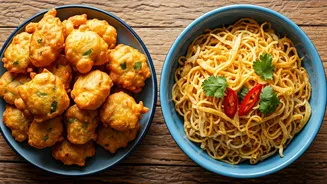
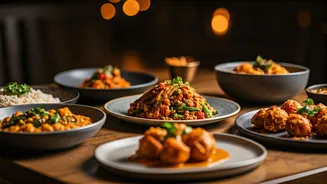
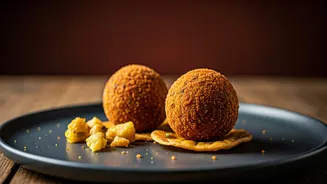
This is where the fusion creativity truly shines. Leftover biryani or pulao—fragrant, spiced rice dishes often studded with meat or vegetables—can sometimes become a bit dry in the fridge. The solution? Biryani arancini. Inspired by the classic Italian fried risotto balls, this hack involves taking cold biryani, mushing it together (sometimes with a little cheese or mashed potato as a binder), rolling it into balls, coating it in breadcrumbs, and deep-frying until golden brown. The outside becomes incredibly crispy, while the inside remains soft, warm, and intensely flavorful. Served with a mint-yogurt chutney instead of marinara, it’s a show-stopping appetizer that feels utterly gourmet, born from the simple desire not to waste a grain of rice.
The Universal Curry Base
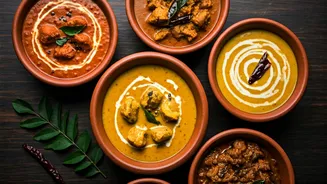
What do you do with that last cup of butter chicken or chana masala? The answer, it turns out, is almost anything. Beyond just serving it over rice again, social media is full of ingenious uses. One popular move is to use it as a sauce for a savory tart or pot pie, topped with a sheet of puff pastry and baked. Another is to slather it on a pizza base instead of tomato sauce, topped with paneer and onions. And in its simplest form, it becomes an incredible topping for a baked potato or a filling for a gourmet grilled cheese sandwich. These ideas work because Indian curries are already complete flavor systems, packed with aromatics, spices, and a rich base that can elevate just about anything they touch.