


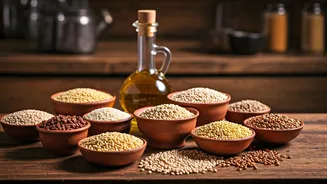
So, What Are Millets, Anyway?
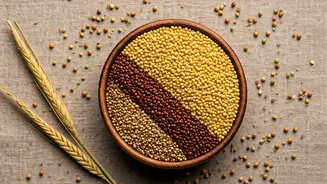
First, let's clear things up. 'Millet' isn't one single thing; it’s a category name for a whole family of small-seeded grasses. Think of it like 'squash'—you have zucchini, butternut, and acorn, all different but related. With millets, you have varieties
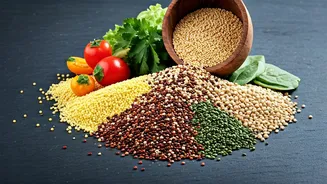
like pearl, foxtail, proso, and the increasingly popular fonio. These aren't some newfangled lab creation. They are ancient grains, cultivated for thousands of years across Africa and Asia, serving as a foundational food source long before rice and wheat dominated the globe. They are naturally gluten-free and come in a range of colors, from pearly white to yellow and reddish-brown. For many Americans, the main association with millet might be birdseed, which for decades was its primary role in the U.S. market. But dismissing it as bird food is like saying grapes are only for looking at in a bowl—you’d be missing out on the wine.
A Nutritional Powerhouse
The real engine behind millet’s comeback is its stellar nutritional profile. In an era obsessed with wellness, millets check all the boxes. They’re a fantastic source of plant-based protein and are packed with dietary fiber, which aids digestion and helps you feel fuller for longer. Quinoa has been the darling of the health-food world for years, but millets are serious competition. They are rich in essential minerals that many modern diets lack, including magnesium (crucial for nerve function and blood sugar control), phosphorus (for healthy bones), and iron. Their low glycemic index means they don't cause the dramatic blood sugar spikes associated with refined grains, making them a smart choice for sustained energy. Essentially, they offer a complex, nutrient-dense carbohydrate that fuels your body without the crash.
The Climate-Friendly Grain
Here’s where millets get extra 'cool.' In a world grappling with climate change and water shortages, these grains are a farmer's—and the planet's—best friend. Millets are famously hardy. They are drought-resistant, thrive in poor soil, and have a short growing season, often maturing in half the time of wheat. Unlike water-guzzling crops like rice or corn, millets can grow in arid conditions with minimal irrigation. This makes them a profoundly sustainable choice and a critical crop for ensuring food security in some of the world's harshest climates. By choosing millets, consumers are indirectly supporting a food system that is more resilient and less demanding on our planet's finite resources. It’s a simple pantry swap that carries a significant environmental impact.
How to Actually Cook With It
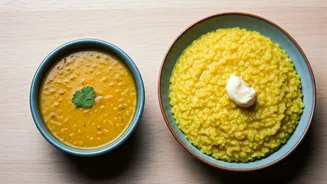
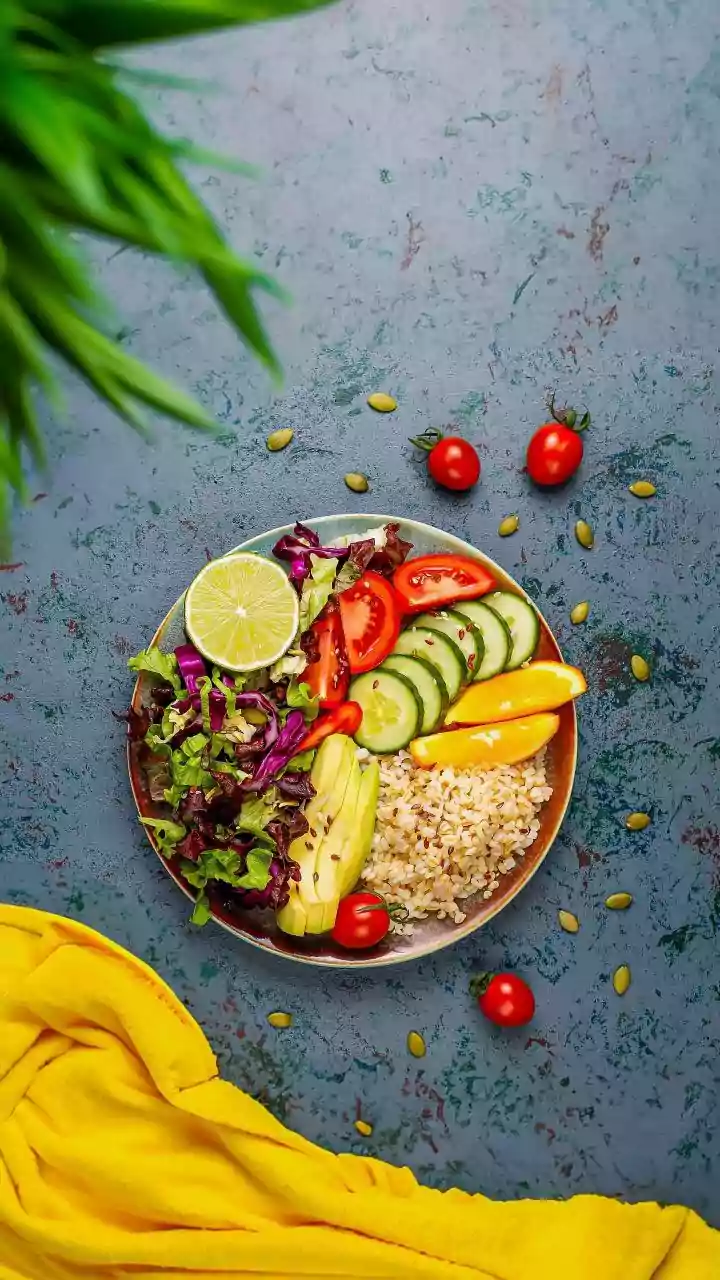
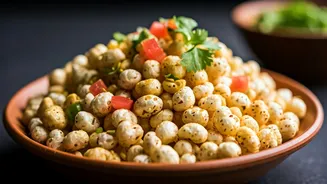
Okay, you’re sold on the 'why.' But what about the 'how?' The beauty of millet lies in its chameleon-like versatility. It has a mild, slightly nutty flavor that adapts beautifully to whatever you cook with it. You can treat it like any other grain. For a fluffy, quinoa-like side dish, toast one cup of millet in a dry pot, add two cups of water or broth, bring to a boil, then simmer covered for about 20 minutes. Don't stir it if you want it to stay light and separated. Want something creamy like polenta or grits? Just add more liquid and stir occasionally as it cooks. You can use it as a base for grain bowls, stir it into soups for hearty texture, mix it into veggie burger patties, or even pop it like tiny popcorn. Fonio, one of the fastest-cooking grains in the world, is ready in just five minutes and makes a perfect, almost couscous-like base for stews.