


So, What Exactly Is 'Edible AC'?
Let’s clear this up first: nobody is suggesting you snack on a window unit. 'Edible AC' is a catchy, modern nickname for a collection of traditional Indian ingredients and recipes designed to have a cooling effect on the body. Rooted in the ancient holistic
science of Ayurveda, this approach isn't about the temperature of the food itself, but its inherent properties. In Ayurveda, foods are classified by their energetic impact—some generate heat (like nuts, red meat, and certain spices), while others are believed to be cooling, or 'pitta-pacifying.' During India’s intensely hot summers, which can see temperatures soaring well above 100°F, turning to these cooling foods is a centuries-old survival strategy that is now being rediscovered by a new generation.
Meet the Cooling All-Stars
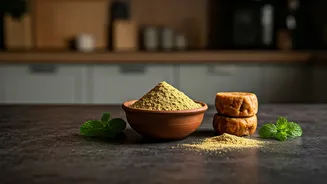
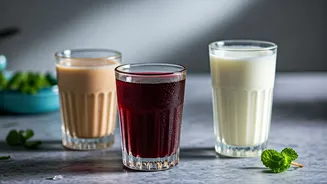
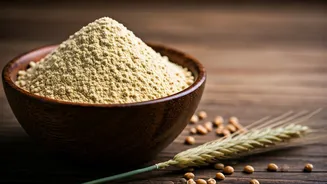
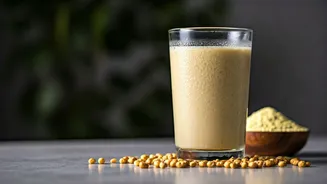
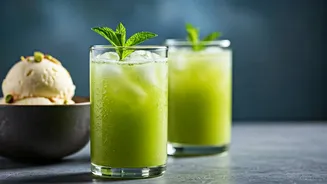
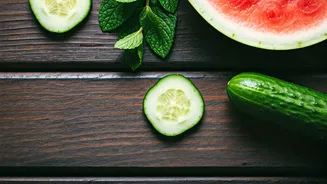
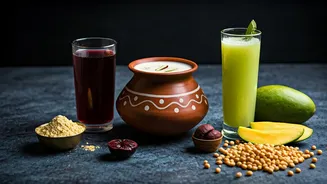
The stars of the edible AC world are often humble, sometimes gelatinous, and always fascinating. One of the most prominent is *gond katira* (tragacanth gum), a natural gum from a plant that swells into a clear, jelly-like substance when soaked in water. It's flavorless but provides a unique, slippery texture to drinks, puddings, and desserts. Another key player is *sabja* seeds (basil seeds), which, much like chia seeds, form a gelatinous coating when wet. They are often added to lemonades and the popular dessert drink, *falooda*. Then there’s *sattu*, a protein-rich flour made from roasted chickpeas, which is mixed with water, salt, and spices to create a savory, nourishing, and incredibly cooling drink popular in states like Bihar and Uttar Pradesh. Other mainstays include cucumbers, mint, yogurt, and coconut water—ingredients even Americans recognize as refreshing, but here they form the backbone of a deliberate cooling system.
A Modern Twist on Ancient Wisdom
The phrase “winning kitchens again” points to a significant cultural shift. For a time, these traditional, sometimes labor-intensive remedies were seen as old-fashioned, overshadowed by bottled sodas and processed snacks. But a renewed interest in wellness, natural ingredients, and reconnecting with cultural heritage has brought them roaring back. Chefs in trendy urban restaurants are incorporating *gond katira* into sophisticated desserts. Nutritionists and wellness influencers are praising the fiber and hydrating properties of *sabja* seeds. Home cooks, many of whom learned these recipes from their grandmothers, are now proudly sharing them on Instagram and YouTube, framing them not just as tradition, but as a smart, sustainable way to handle extreme heat. This revival isn't just about nostalgia; it’s about recognizing the profound, time-tested wisdom in these practices.
Why This Trend Resonates Now
The edible AC trend taps into several global movements that make it feel perfectly timed. It aligns with the 'food as medicine' philosophy, where what we eat is seen as a tool for managing our well-being. It’s also deeply connected to seasonality and eating locally—using what nature provides to cope with the climate you’re in. In a world increasingly concerned with climate change and record-breaking heatwaves, the idea of using natural, low-energy methods to stay cool is incredibly appealing. While Americans might reach for an iced coffee loaded with sugar and caffeine (a 'heating' ingredient in Ayurveda), the Indian approach offers a different path—one focused on hydration, balance, and working with your body, not against it.