

The Great Outdoor Migration
The shift isn't just a feeling; it's a verifiable movement. In the years following the pandemic, U.S. National Parks saw record-breaking attendance, with places like Zion and Yellowstone struggling to manage the influx. But the trend goes far beyond these
famous parks. Booking platforms for vacation rentals have reported a sustained surge in searches for cabins, rural retreats, and properties with access to hiking trails or water. The Recreational Vehicle (RV) Industry Association also noted a historic boom in sales, as Americans invested in a way to make the outdoors their permanent vacation home. This isn't just about taking more hikes. It represents a fundamental change in travel priorities. Where a trip to a major city might have once included a “day trip to nature,” travelers are now flipping the script. The cabin in the woods or the campsite by the river is the primary destination, and a trip into a nearby town for supplies is the secondary errand.
From Side Trip to Main Event
For generations, nature was the scenic backdrop, the pleasant diversion. You’d visit San Francisco and maybe drive out to see the redwood trees for an afternoon. You’d tour Boston and perhaps spend a day on Cape Cod. Nature was an activity, not the anchor.
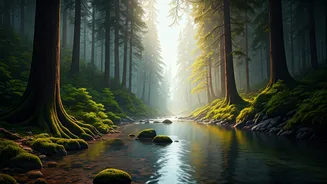
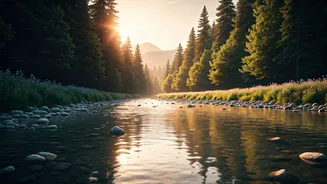
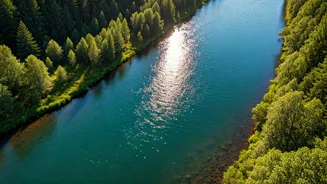
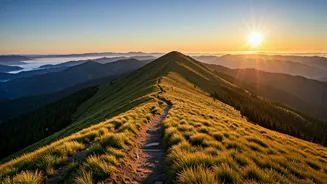
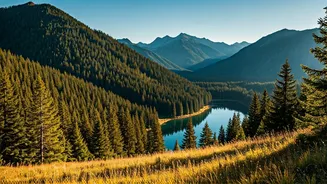
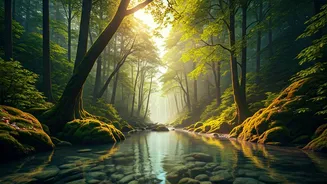
Today, the forest is the main event. The entire purpose of the trip is to be immersed in a specific natural environment. Travelers are planning multi-day rafting trips down the Colorado River, booking a week-long stay in a fire tower lookout in Idaho, or renting a canoe to paddle the Boundary Waters of Minnesota. These aren't passive experiences; they require engagement. The itinerary isn't a list of sights to be seen, but a rhythm to be adopted: wake with the sun, hike or fish during the day, and gather around a campfire at night. The goal is no longer to see as much as possible, but to experience one place as deeply as possible.
The Search for Meaningful Disconnection
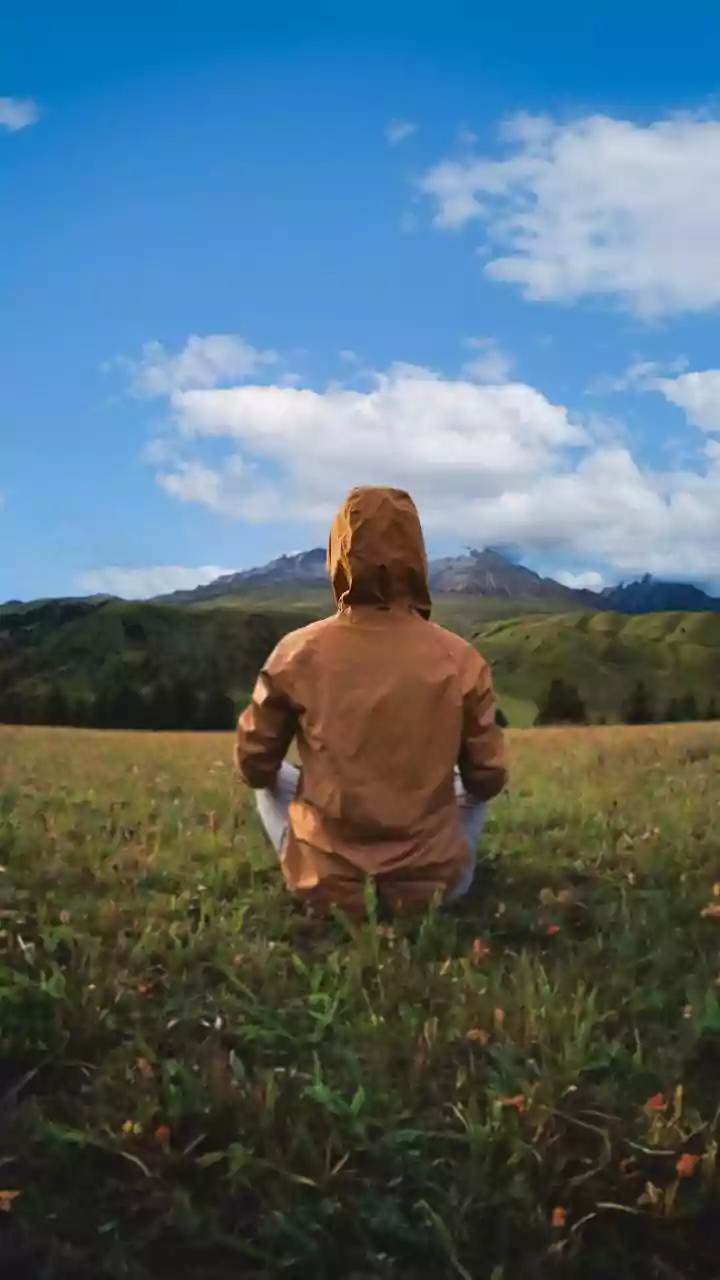
What’s driving this profound shift? Experts point to a collective burnout from hyper-connectivity and curated digital lives. In a world of endless notifications, Zoom calls, and social media performance, the wild offers a rare commodity: genuine disconnection. It’s a place where your phone has no service, and that’s a feature, not a bug.
This desire goes beyond simple relaxation. Many are seeking what some call 'productive discomfort'—the rewarding challenge of a strenuous hike, the focus required to navigate a river, or the simple work of splitting wood for a fire. These activities demand a presence of mind that is difficult to achieve in daily life. Unlike the passive consumption of a city break, an outdoor-focused trip offers a sense of accomplishment and a direct connection to the physical world. It’s a reset for the mind that’s more effective than simply turning off your phone for an hour.
Redefining 'Luxury' Travel
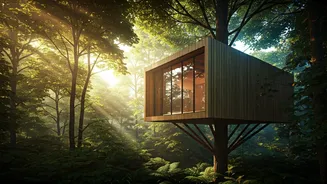
This trend is also rewriting the definition of luxury. For years, high-end travel meant infinity pools, white-glove service, and exclusive restaurants. While that market still exists, a new form of luxury has emerged: the luxury of access and isolation. True luxury might now be a remote cabin with a panoramic view of an untouched valley, a privately guided trek into a roadless area, or the simple wonder of seeing the Milky Way in a place with zero light pollution.
This new luxury prioritizes experiential wealth over material comfort. It values silence over stimulus, dark skies over city lights, and clean air over air conditioning. It’s a recognition that in an increasingly crowded and noisy world, the most valuable things are space, quiet, and an unmediated connection to the natural world. This isn't about 'roughing it' so much as it is about 'smoothing it out'—smoothing out the jagged edges of a frantic, modern existence.