





The Comfort Food Gold Rush
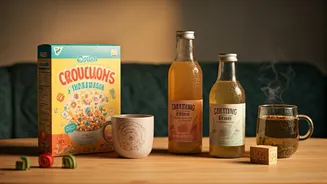
Walk down any grocery aisle and you’ll see it. That cereal box from 1988. The soda you haven’t thought about since middle school. The snack cake in its retro wrapper. This isn’t a time warp; it's a calculated business strategy. Nostalgia marketing, the
practice of using positive, familiar feelings from the past to sell products today, has become the food industry's favorite play. Look no further than McDonald’s wildly successful Adult Happy Meal campaign, which sent millennials scrambling for a taste of their childhood, complete with a classic toy. Brands from Oreo to General Mills are digging into their archives, re-releasing old formulas, packaging, and mascots. It’s more than just a throwback post on Instagram; it’s a full-blown commercial strategy built on the simple, powerful idea that what felt good then will feel good—and sell well—now.
Why We're Craving the Past
So, why the sudden explosion of retro eats? The trend is fueled by a perfect storm of cultural and economic factors. First, we live in an era of intense uncertainty. In times of social and economic anxiety, people naturally gravitate toward the comfort and perceived simplicity of the past. A familiar flavor can be a psychological anchor. Second, the generations with the most spending power—Millennials and Gen X—are now old enough to be nostalgic for their own youths. They grew up in the '80s and '90s, a period that is now a goldmine for cultural references. Brands know that a 40-year-old who loved Dunkaroos as a kid now has the disposable income to buy them for themselves (or their own children). Finally, in a hyper-fragmented digital media landscape, it's incredibly difficult and expensive to launch a new product from scratch. Tapping into pre-existing brand awareness and emotional connection is a far safer bet.
The Greatest Hits of Yesterday
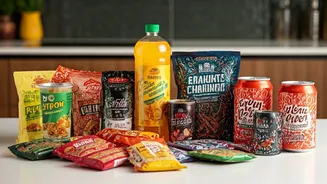
The list of revived products is a highlight reel of a bygone era. Pepsi has repeatedly brought back Crystal Pepsi for limited runs, each time generating a frenzy of media attention. Coca-Cola resurrected Surge, a citrus-flavored cult classic from the '90s, largely thanks to a passionate online fan campaign. General Mills has delighted cereal lovers by returning to its classic '80s recipes and packaging for Trix, Cocoa Puffs, and Golden Grahams, explicitly marketing the move as a return to the “good stuff.” Even the packaging itself is a tool. Oreo regularly releases vintage-inspired tins, and Campbell's Soup has sold cans featuring labels from decades past. Each of these relaunches serves a dual purpose: it pleases old fans while introducing a “new,” story-rich product to younger consumers who experience it as a retro curiosity.
The 'Shortcut' and Its Hidden Cost
Herein lies the critique embedded in the word “shortcut.” While nostalgia is undeniably effective, its overuse raises questions about innovation. Is the food industry becoming too reliant on recycling old ideas instead of inventing new ones? Launching a genuinely new product is risky and requires millions in research, development, and marketing. Reviving a beloved classic is, by comparison, a layup. The audience is built-in, the marketing story writes itself, and the risk of failure is significantly lower. But a constant diet of the past can lead to creative stagnation. For every successful relaunch of a nostalgic product, there might be a dozen truly innovative new food ideas that never get funded because they’re seen as too risky. The shortcut to easy profits might be leading the industry away from the path of genuine culinary progress and discovery.