






Orange Peels: A Natural All-Purpose Cleaner
Don't underestimate the power of citrus. The peels from oranges, lemons, and grapefruits are rich in d-limonene, a natural solvent that cuts through grease and grime. You can easily create a non-toxic, all-purpose cleaner that leaves behind a fresh, chemical-free
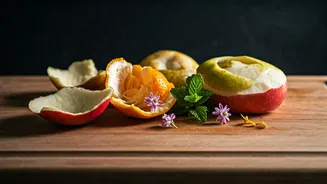
scent. Simply pack the peels of 2-3 oranges into a large glass jar, cover them completely with white vinegar, and seal the lid. Let the mixture infuse in a cool, dark place for about two weeks, giving it a gentle shake every few days. After two weeks, strain out the peels. You'll be left with a fragrant, orange-infused vinegar. Dilute this concentrate with an equal amount of water in a spray bottle, and you have a powerful cleaner for countertops, floors, and windows (avoid using on natural stone like marble or granite, as the acid can cause damage).
Banana Peels: A Nutrient Boost for Houseplants
Your houseplants and garden will thank you for this one. Banana peels are an excellent source of potassium, phosphorus, and calcium—all essential nutrients for robust plant growth and flowering. Instead of buying expensive fertilizers, you can put your peels to work. For an easy 'banana peel tea,' simply soak a few peels in a jar of water for 2-3 days. Use this nutrient-rich water for your regular plant waterings. Alternatively, you can chop the peels into small pieces and bury them an inch or two deep in the soil around the base of your plants, both indoors and out. As the peels decompose, they release their nutrients directly into the root zone, promoting healthier foliage and more vibrant blooms.
Lemon Peels: Deodorize and Polish
The bright, acidic nature of lemon peels makes them a perfect tool for tackling household odors and adding a bit of shine. To freshen up a stinky garbage disposal, simply toss a few lemon peels down the drain and run it with cold water. The abrasive peel and fragrant oils work together to scrub the blades and neutralize bad smells. For a quick polish on stainless steel faucets or chrome fixtures, just rub the white pith side of a fresh peel directly onto the surface to remove water spots and leave a brilliant shine. You can also place dried lemon peels in a small sachet and tuck them into closets or drawers as a natural moth repellent and air freshener.
Apple Peels: Make a Simple Jelly or Tea
Apple peels are loaded with pectin, the natural gelling agent that makes jams and jellies set. You can harness this by making a beautiful, delicate apple peel jelly. Collect the peels and cores from about 6-8 apples (perfect for when you're making a pie). Place them in a pot, cover with water, and simmer for 20-30 minutes until the peels are very soft and the water has taken on a pinkish hue. Strain the liquid through a fine-mesh sieve, discarding the solids. For every cup of liquid, add about 3/4 cup of sugar and a squeeze of lemon juice. Bring the mixture to a boil, then simmer until it thickens and reaches the gel stage. For a simpler treat, just steep a handful of fresh apple peels in hot water for a few minutes to create a comforting, cinnamon-scented tea.
Potato Peels: A Crispy Kitchen Snack
This isn't a fruit, but it's too good a trick to leave out. If you've just peeled a batch of potatoes for mashing, don't throw away the skins. With a little seasoning, they can be transformed into a crunchy, delicious snack. Give the peels a good wash and pat them thoroughly dry—this is key for achieving maximum crispiness. Toss them in a bowl with a drizzle of olive oil, salt, pepper, and any other seasonings you like (smoked paprika, garlic powder, or rosemary work well). Spread them in a single layer on a baking sheet and bake at 400°F (200°C) for 15-20 minutes, or until golden brown and crispy. They're a fantastic, no-waste alternative to potato chips.