

Start with a Flavor-Packed Stock
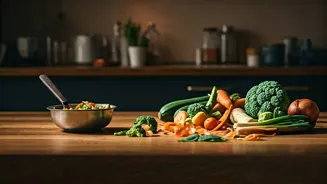
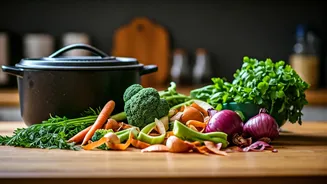
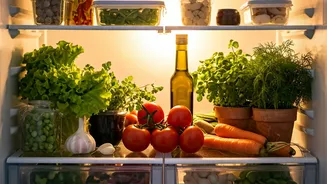
This is the gateway to the peel-saving lifestyle. Instead of tossing the skins from onions, the nubs of carrots, the ends of celery, and the woody stems of parsley, collect them in a freezer bag. Once you have a full bag (about 4-6 cups of scraps), you have the base
for a deeply flavorful, practically free vegetable stock. Simply place the frozen scraps in a large pot, cover with water, add a bay leaf and some peppercorns, and simmer for at least an hour. Strain it, and you're left with a liquid far richer than anything from a carton. Just be sure to avoid cruciferous vegetable scraps like broccoli or cabbage, as they can turn the stock bitter.
Brew Aromatic Teas and Syrups
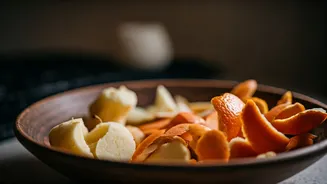
The peels of ginger and citrus fruits are packed with aromatic oils that are perfect for infusions. Instead of peeling ginger, just give it a good scrub; the skin is thin and full of flavor. If you do peel it, or if you have leftover lemon or orange peels after juicing, don't toss them. Steep them in hot water for a soothing, fragrant tea. For a more intense flavor, simmer the peels with sugar and water to create a custom simple syrup, perfect for cocktails, iced tea, or drizzling over yogurt and pancakes. It's a simple way to capture bright, fresh flavor that would have otherwise gone to waste.
Make Crispy, Salty Snacks
Potato peels are the unsung heroes of the snack world. After scrubbing your potatoes clean, save the peels. Toss them with a light coating of olive oil, salt, and your favorite spices—smoked paprika, garlic powder, or rosemary are excellent choices. Spread them in a single layer on a baking sheet and roast at 400°F (200°C) until golden brown and crispy, which usually takes about 10-15 minutes. The result is a crunchy, savory snack reminiscent of the best part of a baked potato's skin. This technique also works beautifully with sweet potato and apple peels (use cinnamon and sugar for apples).
Infuse Oils and Vodkas
The zest from citrus is a prized ingredient, but the whole peel packs a punch, too. You can use wide strips of lemon, orange, or grapefruit peel (scraped of any bitter white pith) to infuse neutral oils or alcohols. Add a few strips of clean, organic lemon peel to a bottle of olive oil to create a bright, zesty finishing oil for salads and fish. Or, drop them into a bottle of vodka and let it sit for a few days to a week for a custom-flavored spirit that elevates any cocktail. It’s an effortless way to create bespoke pantry items.
Create a Natural All-Purpose Cleaner
The cleaning power of citrus is no secret, and you can make your own effective, non-toxic cleaner using leftover peels. Pack a glass jar with lemon, lime, or orange peels and cover them completely with plain white vinegar. Let the mixture steep in a dark place for about two weeks, giving it a shake every few days. The vinegar will draw out the citrus oils and their natural cleaning properties. After two weeks, strain the liquid into a spray bottle, dilute it with an equal part of water, and use it to clean countertops, sinks, and glass. It smells fantastic and cuts through grease with ease.
A Note on Preparation
Before you dive in, a little prep goes a long way. Always wash your produce thoroughly, even if you plan to peel it. A good vegetable brush is your best friend. When using citrus peels for consumption, opting for organic is the best way to avoid the waxes and pesticides often found on conventionally grown fruit. If you can't find organic, give the fruit a very vigorous scrub with hot water. This ensures that what you're saving is clean, safe, and ready to become your next delicious creation.