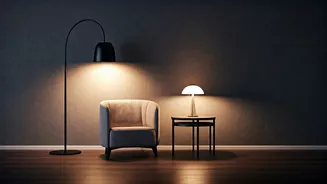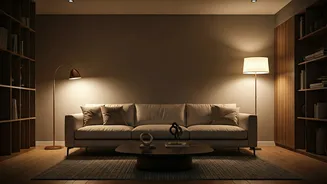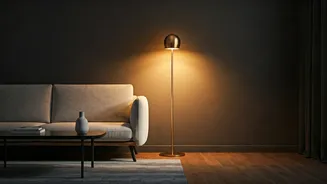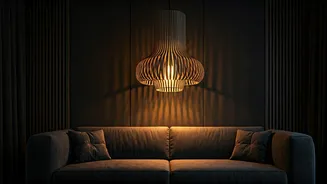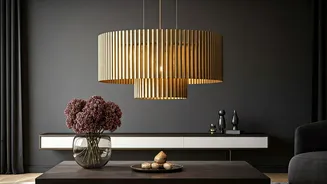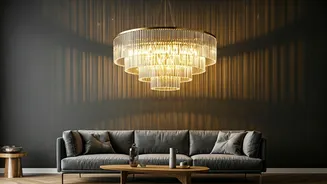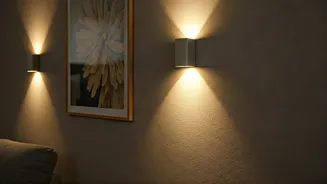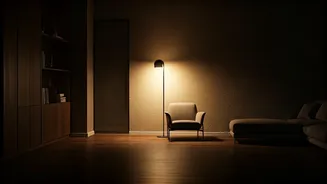






The Secret Ingredient: Controllable Light
Forget the accent wall, the new sofa, or even the trendiest houseplant. The one home upgrade that delivers an almost universally adored dose of coziness is the humble dimmer switch. Yes, really. While it might sound underwhelming, think about the last
time you were in a restaurant, hotel lobby, or friend’s home that felt impeccably atmospheric. Chances are, you weren't sitting under the full, unfiltered glare of overhead lights. You were experiencing layered, controlled lighting. Upgrading from a simple on/off switch to a dimmer gives you the power to be your own home’s lighting designer. It’s the difference between a room being simply 'illuminated' and being 'curated.' This single change allows you to transition a space from a bright, functional work area to a soft, relaxing haven with one simple adjustment.
The Psychology of a Warm Glow
Our love for dim, warm light is practically embedded in our DNA. For millennia, humanity’s primary sources of light after sundown were fire and, later, candlelight. This low-intensity, warm-toned light signaled safety, community, and a time for winding down. Full-blast, blue-toned overhead lighting, by contrast, mimics the midday sun, telling our brains it’s time to be alert and productive. When you dim your lights in the evening, you’re not just reducing brightness; you’re sending a powerful psychological cue to your body. It’s a signal to relax, to shed the stresses of the day, and to prepare for rest. This is why a room with dimmers feels inherently more calming and intimate. You’re tapping into a primitive comfort response, creating a cave-like sanctuary from the bright, busy world outside.
More Than Just a Mood
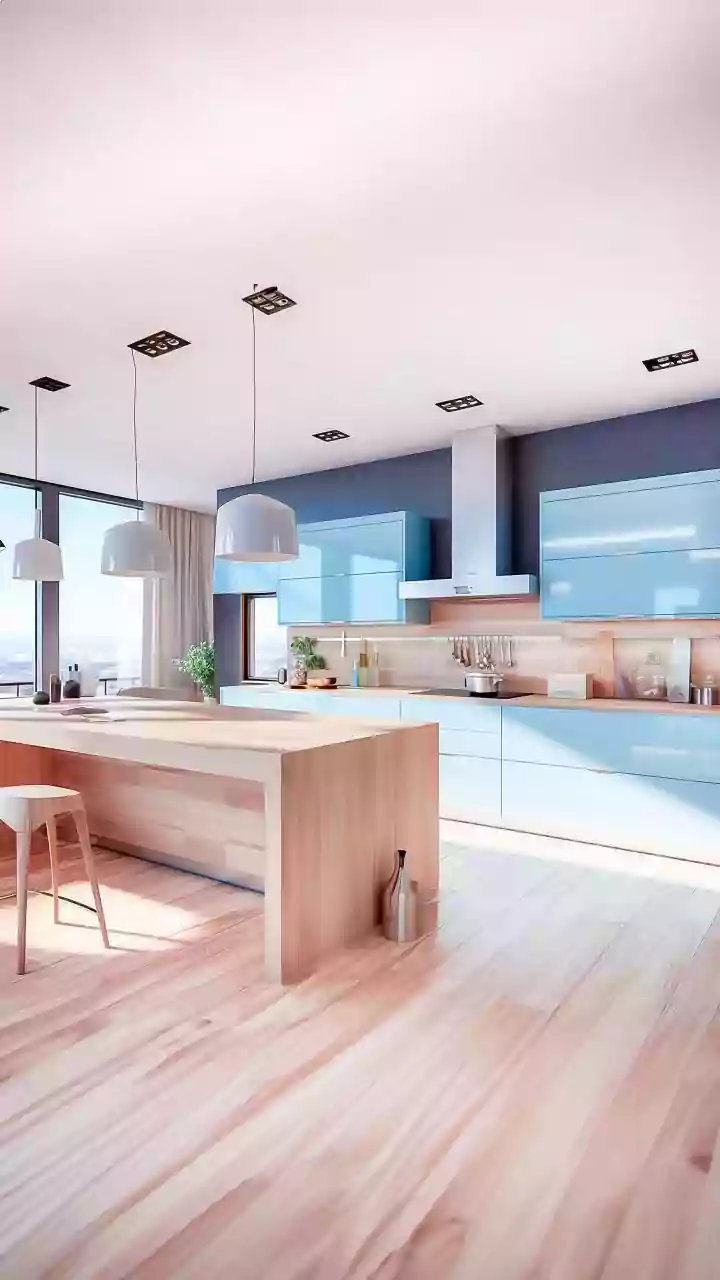
While the aesthetic and psychological benefits are profound, the case for dimmers is also incredibly practical. First, there's energy efficiency. When a light is dimmed, it uses less electricity. Dimming your lights by just 25% can save you around 20% in energy costs over time. It also dramatically extends the life of your lightbulbs. An incandescent or halogen bulb that is consistently dimmed will last far longer than one that is always run at full power, saving you money and the hassle of frequent replacements. Even with modern LEDs, many of which are now dimmer-compatible, this holds true. Furthermore, dimmers add immense flexibility to a room. Your kitchen island can be a brightly lit food-prep station in the afternoon and a softly glowing spot for a glass of wine in the evening. A living room can instantly switch from 'homework hub' to 'movie night' mode.
Making the Switch: What to Know
Ready to embrace the glow? Installing dimmer switches is one of the most accessible electrical upgrades. A basic rotary or slide dimmer can be found at any hardware store for as little as $10-$15. For a more modern feel, 'paddle' or 'tap' dimmers offer a sleeker look. If you're comfortable with basic home wiring (and turning off the power at the circuit breaker first!), you can often swap out a standard switch for a dimmer in under 30 minutes. However, if you're even slightly hesitant, a licensed electrician can install several in an hour for a minimal service fee. The latest evolution is the smart dimmer, which can be controlled via an app, a smart home assistant like Alexa or Google Home, or a pre-set schedule. These offer the ultimate in convenience, allowing you to set 'scenes' for different activities and adjust your lighting without ever leaving the couch. Just be sure to buy dimmer-compatible bulbs to avoid any annoying buzzing or flickering.