
Beyond Gilded Glamour
Not long ago, success in urban India was often measured by the gleam of Italian marble, the weight of ornate European furniture, and a general aesthetic of conspicuous, imported grandeur. The home was a stage, designed to project status and worldly success.
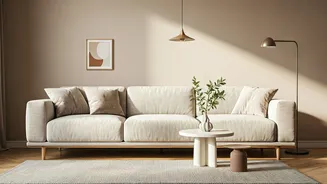
Now, that script is being rewritten. The new definition of luxury isn't about what you can import, but what you can thoughtfully curate. Instead of flashy metallics and loud patterns, homeowners and designers are gravitating toward a more restrained, personal style. This shift is less about minimalism for its own sake and more about a conscious rejection of clutter—both physical and psychological. It’s a move away from the home as a public statement and toward the home as a private sanctuary, a space that nurtures its inhabitants rather than simply impressing visitors.
A Return to Local Roots
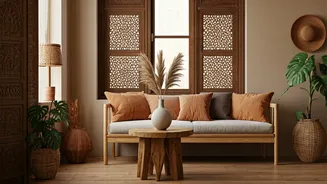
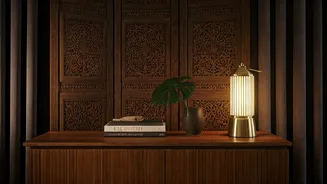
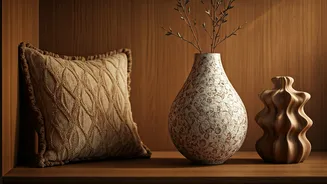
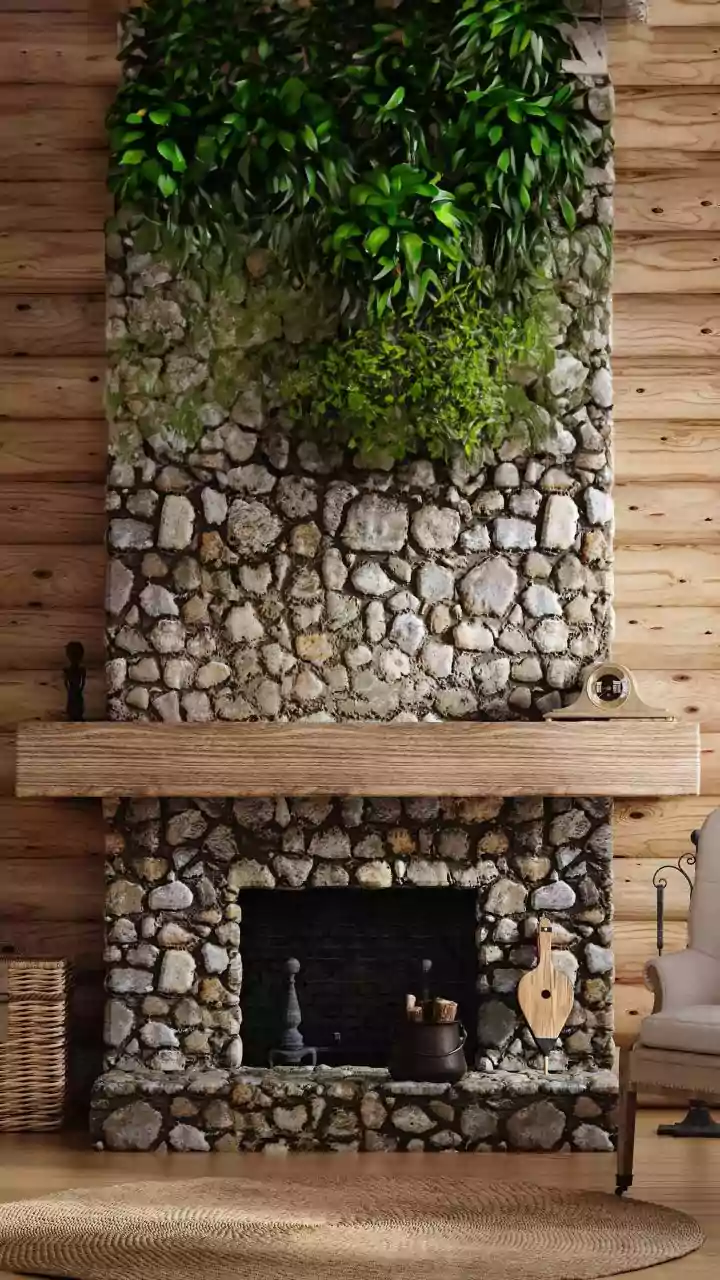
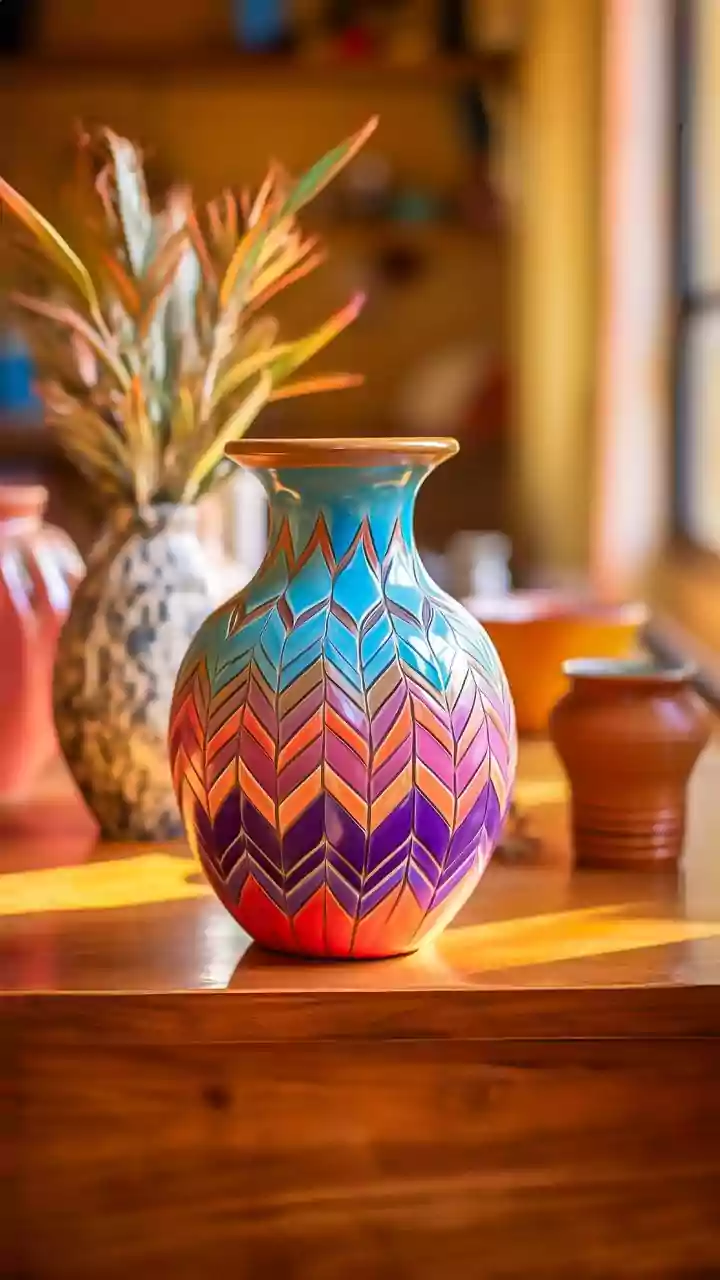
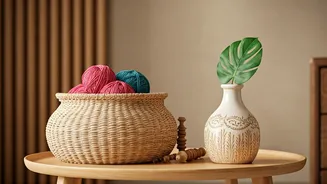
This mindful era is deeply connected to a renewed appreciation for indigenous craftsmanship and materials. Designers and homeowners are looking inward, celebrating the rich tapestry of Indian artistry that was often overlooked in the race for global trends. You see it in the embrace of locally sourced teak and rosewood, the warmth of terracotta tiles, and the airy texture of cane and rattan furniture. Hand-woven textiles from different regions, like intricate Ikats or minimalist Khadi cottons, are replacing mass-produced fabrics. This isn't a retreat into nostalgia but a modern integration of heritage. It’s about creating spaces that feel authentically rooted in place. Even Vastu Shastra, the ancient Indian system of architecture often compared to Feng Shui, is finding a new, less dogmatic relevance, guiding layouts to enhance flow, light, and positive energy in a way that feels both timeless and contemporary.
The Sanctuary Imperative
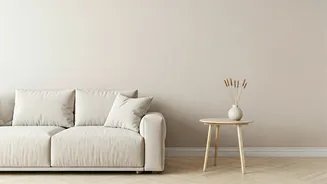
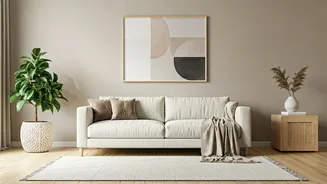
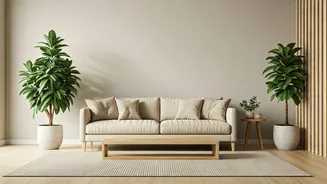
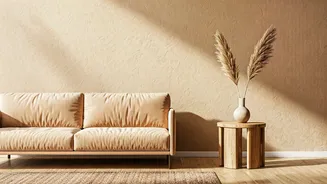
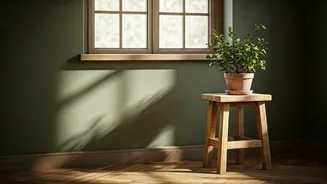
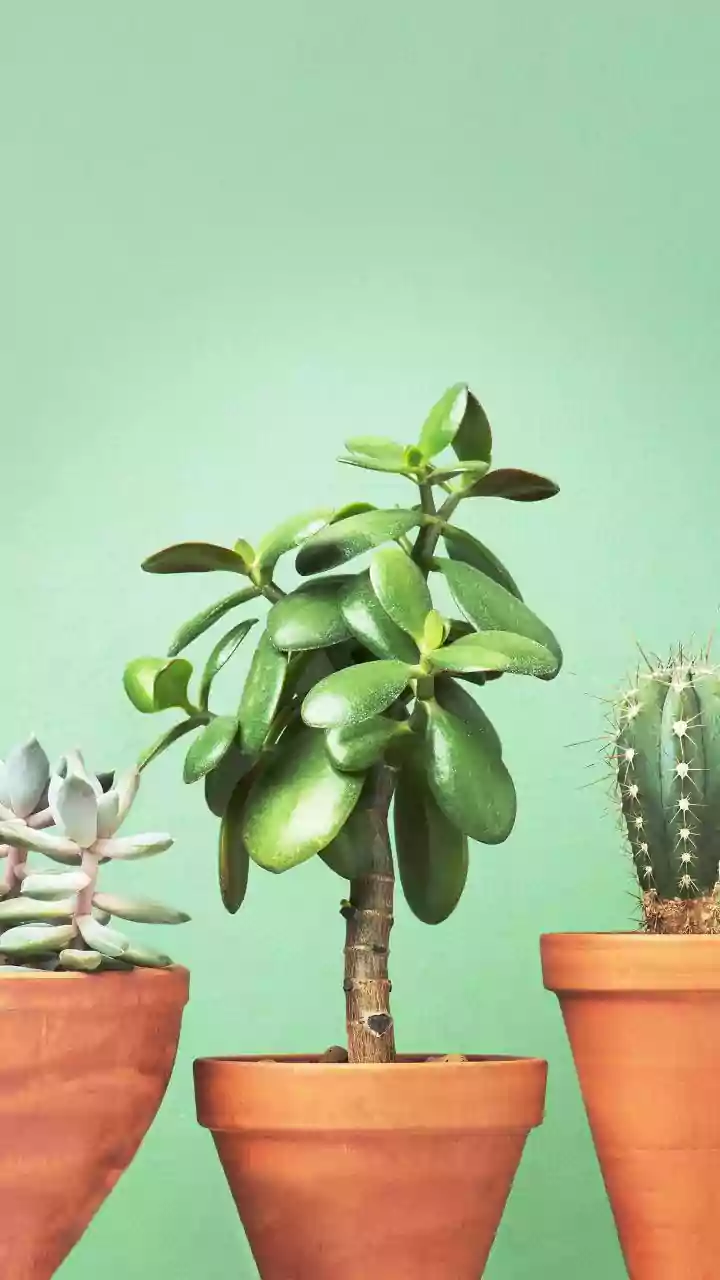
India’s bustling, high-energy cities are the engine of its economic growth, but they can also be sources of sensory overload. This reality is perhaps the biggest driver behind the mindful home trend. The primary function of the home is shifting from a place to entertain to a place to decompress. This is the “sanctuary imperative”: the growing need for a personal haven that offers a respite from the chaos outside. This translates into design choices that prioritize calm and well-being. Think dedicated corners for reading or meditation, balconies overflowing with plants to create green oases, and a focus on natural light. Color palettes are becoming softer and more earthy—sage greens, warm beiges, and muted blues are replacing bold, dramatic hues. The goal is to create an environment that lowers the heart rate and quiets the mind the moment you walk through the door.
Sustainability as a Statement
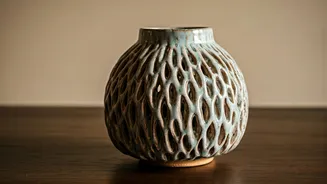
For this new wave of homeowners, mindfulness isn’t just about aesthetics; it’s an ethical stance. Sustainability has become a core tenet of modern Indian design. There's a growing interest in using reclaimed materials, such as wood salvaged from old homes or factories, giving them a second life with a rich history. Upcycling is no longer just a necessity but a creative choice, with old furniture being restored and reimagined. Consumers are asking more questions about where their decor comes from, favoring small, local businesses and artisans over large, faceless corporations. Choosing a hand-block-printed cushion cover or a locally thrown ceramic pot is a small act of supporting a community and preserving a craft. In this context, a sustainable choice is a stylish choice, proving that conscious consumption and beautiful design are one and the same.