








1. Scrutinize Your Destination and Timing
The first step to smarter travel is choosing your destination wisely. Before you book, do a quick search for the historical weather patterns of your intended location during your travel dates. While the past isn't a perfect predictor, it can reveal crucial
information. Is it the middle of hurricane season in the Gulf? The monsoon season in the Southwest? Many tropical destinations have distinct wet and dry seasons that can make or break a trip centered on outdoor activities. Go beyond a simple weather forecast. Use tools like FEMA's National Risk Index to understand a county's specific risk for river and coastal flooding. If you're planning a trip to a low-lying coastal area or a river valley, this context is invaluable. Being aware of the inherent risk doesn't mean you can't go; it just means you should be prepared with backup plans and flexible lodging.
2. Buy the Right Travel Insurance
Travel insurance often feels like an unnecessary expense—until you desperately need it. As extreme weather becomes more common, it's one of the smartest investments you can make. However, not all policies are created equal. When shopping for a plan, read the fine print specifically for weather-related disruptions. Look for coverage for "trip cancellation" and "trip interruption" due to severe weather. This could reimburse you if a hurricane forces you to cancel your flight or a flood makes your hotel inaccessible. Also, check for "travel delay" benefits, which can cover meals and lodging if you're stuck in an airport overnight. A comprehensive plan is your financial safety net when a storm system upends your carefully laid plans. Don't assume your credit card's travel protection is sufficient; these often have significant limitations.
3. Pack for a Downpour, Not a Drizzle
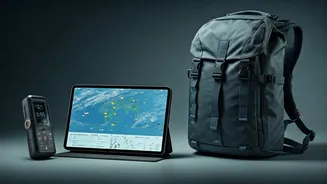
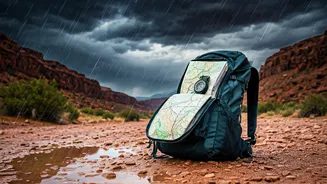
A flimsy poncho from a tourist shop won't cut it anymore. Your packing list needs an upgrade. Invest in a truly waterproof rain jacket with a hood—not just "water-resistant." Look for sealed seams and technical fabrics. For your electronics and important documents like passports, waterproof bags or dry sacks are non-negotiable. A ziplock bag is a decent last resort, but a dedicated dry bag offers far more protection. Think about your footwear. Nothing ruins a day of exploring faster than soaked, blister-inducing shoes. Pack a pair of waterproof shoes or boots, and consider bringing an extra pair of sneakers that can be swapped out to dry. Finally, quick-dry clothing made from merino wool or synthetic fabrics is a game-changer. Unlike cotton, which stays wet and cold for hours, these materials dry quickly, keeping you far more comfortable.
4. Master Your Digital Toolkit
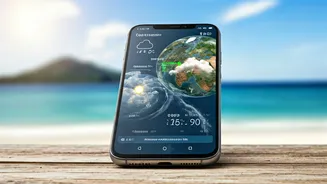
Your smartphone is your most powerful tool for navigating unpredictable weather. First, download a reliable weather app with real-time radar and push alerts for precipitation and severe storm warnings (like those from the National Weather Service). This allows you to see exactly where the rain is and when it's expected to hit your location, so you can adjust your plans accordingly. Second, make sure you have your airline's app on your phone. It will be the fastest way to get notified of delays or cancellations and, in many cases, the quickest way to rebook a flight. For road trips, apps like Waze or Google Maps provide real-time updates on road closures due to flooding. Following local emergency management and department of transportation accounts on social media can also provide critical, up-to-the-minute information.
5. Stay Safe on the Road
Driving in heavy rain presents significant dangers. If you're on a road trip, the cardinal rule is simple: never drive through flooded roadways. It's impossible to tell how deep the water is or if the road beneath has been washed away. The phrase "Turn Around, Don't Drown" is a literal lifesaver. It takes only a few inches of moving water to move a car. Before you even get to that point, take preventative measures. Check your tire tread and windshield wipers before you leave. During a downpour, slow down significantly to avoid hydroplaning, increase your following distance, and turn on your headlights to improve your visibility to other drivers. If the rain becomes so heavy that you can't see the vehicle in front of you, pull over to a safe location—like a rest stop, not the shoulder of the highway—and wait for conditions to improve.
6. Build a 'Rainy Day' Itinerary
Flexibility is key. If your entire vacation is built around activities that are impossible in the rain—like sunbathing, hiking exposed ridges, or boat tours—a few bad weather days can feel like a disaster. When planning your trip, create a parallel itinerary of indoor activities you'd genuinely enjoy. Research interesting museums, cozy cafes, local breweries, independent movie theaters, or covered markets. Having a great Plan B already in mind transforms a rainy day from a disappointment into a different kind of opportunity. This mental shift prevents the feeling that your vacation is being "ruined" and instead frames it as simply changing.