



Cucumber: The Prolific Provider
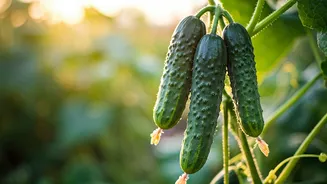
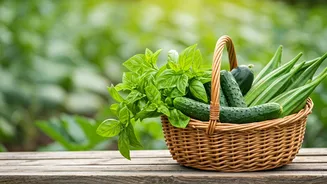
There are few gardening moments as satisfying as the relentless productivity of a happy cucumber plant. This vine is the overachiever of the garden, a hero of sheer abundance. Once it gets going, a single, well-tended plant can pump out dozens of fruits,
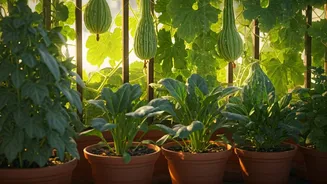
leaving you with more than enough for salads, pickles, and sharing with the neighbors. Their heroism lies in this generosity; they make a novice gardener feel like a seasoned expert. For best results, choose your variety wisely. Bush types are perfect for containers and small spaces, staying compact and manageable. Vining types, however, are the true powerhouses. Give them a trellis or cage to climb, and you’ll not only save space but also get straighter, healthier fruit by keeping it off the ground and improving air circulation. The key to a cucumber’s heart is consistent water. Their fruits are over 95% water, so uneven watering can lead to bitter-tasting cukes. A layer of mulch can help retain soil moisture. Harvest often—picking the fruits regularly encourages the plant to produce even more.
Basil: The Fragrant Flavor-Maker
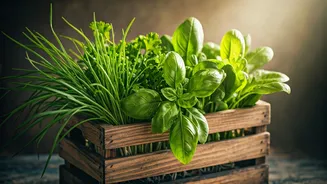
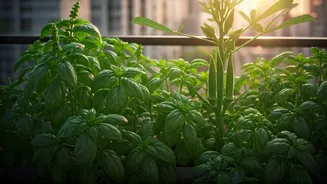
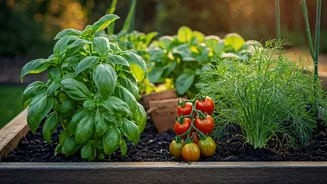
If cucumbers are heroes of quantity, basil is a hero of quality and versatility. This fragrant herb is the ultimate kitchen companion, capable of elevating a simple tomato sauce, inspiring a fresh pesto, or adding a fragrant twist to a summer cocktail. Its superpower is its ability to transform a meal with just a few leaves. It's also incredibly easy to grow, thriving in pots on a sunny patio, tucked into a window box, or planted directly in the garden bed. Basil’s other heroic trait is its friendliness. It’s a fantastic companion plant, reputed to improve the flavor of tomatoes grown nearby and help deter pests like tomato hornworms. To keep your basil plant productive all season long, the secret is regular pruning. Don’t just pluck individual leaves; snip the stems right above a set of two new leaves. This encourages the plant to become bushier and produce more foliage. Be sure to pinch off any flower buds that appear. This process, called “bolting,” signals the end of the plant's life cycle and can make the leaves bitter. By pruning consistently, you can keep a single plant going from spring through the first frost.
Okra: The Heat-Loving Champion
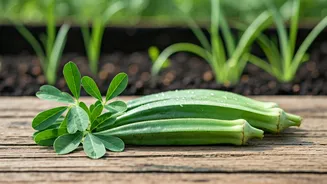
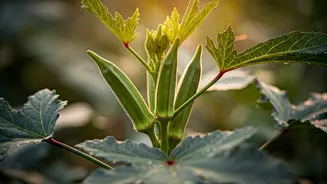
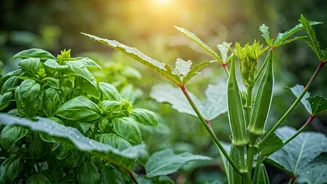
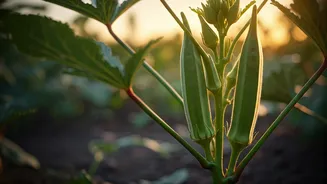
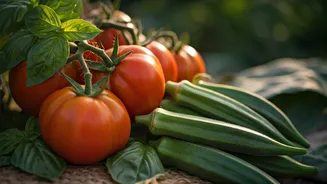
In the sweltering heat of a U.S. summer, when other plants are wilting and struggling, okra stands tall. This is its heroic domain: thriving in conditions that would defeat lesser vegetables. For gardeners in the South and other hot climates, okra is not just a plant; it's a symbol of resilience. A relative of hibiscus, it even produces beautiful, creamy-yellow flowers before developing its signature pods, adding ornamental value to the vegetable patch. Okra's heroism is also in its steady, continuous production. It’s a “cut-and-come-again” crop. Once pods begin to form, you need to harvest them every day or two. If you let them grow too large, they become woody and tough, and the plant will stop producing. The ideal size for most varieties is about 2 to 4 inches long. This daily harvesting ritual keeps the plant in a state of perpetual production, providing a steady supply for frying, grilling, or thickening gumbo. Don’t be intimidated by its reputation for being “slimy”—that same quality, mucilage, is what makes it an unparalleled thickener for stews. When roasted or fried quickly, it’s delightfully crisp.