


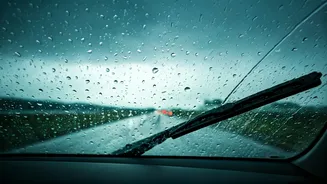


Replace Your Windshield Wipers
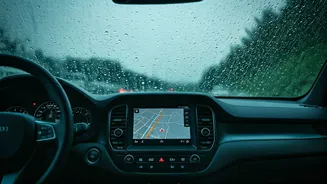
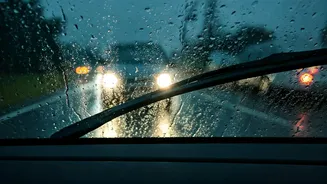
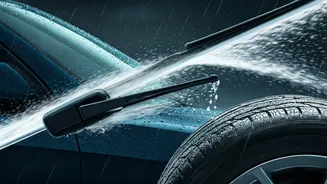
This is the single most important and affordable step you can take. Winter ice and relentless summer sun degrade the rubber on your wiper blades, leaving them cracked and ineffective. When a monsoon downpour hits, you need them to clear your view instantly.
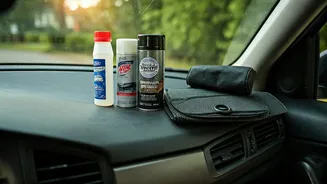
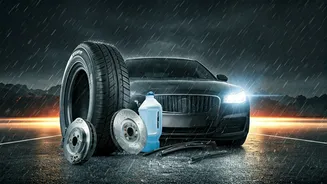
Streaky, chattering wipers won't cut it. Test them with windshield washer fluid. If they leave any streaks or miss spots, replace them immediately. It’s a five-minute job that can prevent a serious accident in a white-out rainstorm. While you're at it, top off your washer fluid reservoir.
Inspect Your Tires for Tread and Pressure
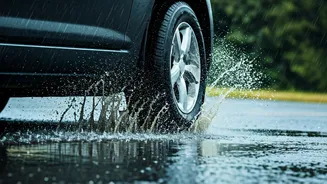
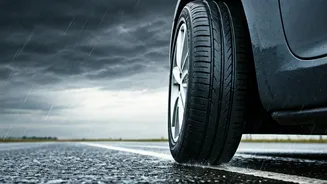
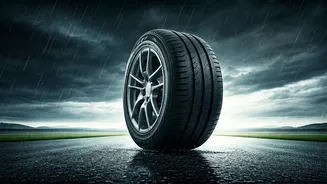
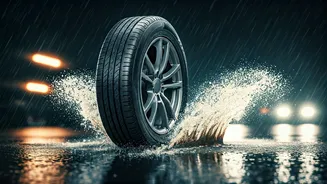
Wet roads are slick roads, and your tires are your only connection to them. The deep grooves in your tires are designed to channel water away, preventing hydroplaning. If the tread is worn down, that water has nowhere to go, and you can lose control. Use the classic 'penny test': place a penny upside down in a tread groove. If you can see all of Abraham Lincoln’s head, your tires are dangerously worn and need replacing. Also, check your tire pressure. Properly inflated tires provide better traction and braking performance in wet conditions.
Check Your Brakes
Brakes perform differently when wet. If your brake pads are already nearing the end of their life, a sudden downpour is the worst time to find out. Listen for squealing or grinding noises when you apply the brakes. Does the pedal feel spongy or does the car pull to one side? These are all signs that your brake system needs a professional inspection. Getting them serviced before the storms arrive ensures you have the stopping power you need when a car ahead of you suddenly stops or a flooded wash appears out of nowhere.
Test Your Battery and Headlights
Monsoon storms often mean dark, overcast skies and reduced visibility. You need to see and be seen. Turn on your headlights—not just your daytime running lights—and walk around the car to ensure all bulbs (headlights, taillights, and brake lights) are working. High humidity can also accelerate corrosion on battery terminals, which can prevent your car from starting. Pop the hood and look for any fuzzy, blue-green or white buildup around the battery posts. If you see any, clean it off with a wire brush or have a mechanic do it for you.
Seal Leaks and Check Door Gaskets
A small leak you never noticed during a light sprinkle can become a major problem in a monsoon. Water inside your car can lead to musty smells, mold growth, and worst of all, damage to sensitive electronics under the dashboard or seats. Check the rubber seals around your doors, windows, and sunroof. Are they cracked or brittle? You can also look for signs of previous leaks, like water stains on the headliner or carpets. A little preventative maintenance on these seals can save you from a huge, costly electrical headache.
Plan a High-Ground Parking Spot
The most catastrophic damage from monsoons often happens when a car is parked. Flash floods can strike with little warning, and a street that’s normally safe can become a raging current. Don't park in low-lying areas, dips, or washes—even if they’re dry when you arrive. Identify a safe, elevated place to park at home and at work before the season starts. If a flash flood warning is issued for your area, move your car to higher ground as a precaution. It’s far better to be overly cautious than to have your car declared a total loss from floodwater.
Build a Monsoon-Specific Emergency Kit
Your standard car emergency kit is a good start, but monsoons have unique challenges. Add items specifically for this season: a powerful flashlight with extra batteries (storms can knock out streetlights), a fully charged phone power bank, a rain poncho, high-visibility warning triangles, and extra water and non-perishable snacks. Getting stranded is bad enough; getting stranded in a torrential downpour with no supplies is far worse. A few extra items in your trunk can provide crucial safety and comfort if you're stuck waiting out a storm.