




What Is Vegan Leather, Exactly?
Before you picture a stiff, sticky, and obviously fake material, let's clarify. Modern "vegan leather" is a far cry from the cheap pleather of the past. The term typically refers to one of two polymer-based materials: polyurethane (PU) or polyvinyl chloride
(PVC). High-quality PU leather, in particular, has become a go-to for designers and homeowners. It’s engineered to mimic the soft, supple texture of real leather without using animal products. Unlike genuine leather, which is porous and requires significant upkeep, vegan leather is a synthetic, non-porous material designed for durability and ease of use, making it an intriguing option for the chaos of a pet-filled household.
The Pet-Proofing Power of a Good Cover
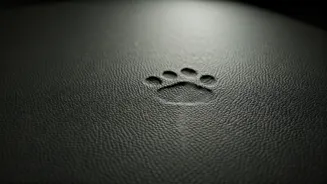
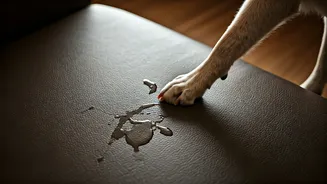
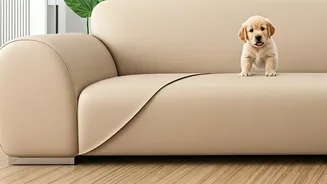
This is where vegan leather truly shines for pet parents. Its primary benefit is its impressive durability against the daily wear and tear inflicted by our furry friends. Most energetic pets, especially dogs, aren't intentionally trying to ruin your couch; they're just living their lives. Their claws can easily snag and pull the threads in woven fabrics like linen or chenille. Vegan leather, with its solid, non-woven surface, offers nowhere for claws to catch. This makes it highly resistant to the scratches and punctures that can instantly ruin a traditional upholstered sofa. Furthermore, its non-porous surface is a lifesaver when it comes to messes. Whether it's a muddy paw print, a bit of drool, or an unfortunate potty accident, liquids bead up on the surface instead of immediately soaking in. A simple wipe with a damp cloth is often all that's needed to clean it up, preventing stains and lingering odors. Finally, pet hair, which weaves itself into fabrics like a permanent fixture, has nothing to cling to on a smooth vegan leather surface. It can be wiped or vacuumed away in seconds.
Not All Faux Leathers Are Equal
When shopping for a vegan leather sofa cover, it's crucial to understand that quality varies dramatically. The cheapest options are often made from PVC, which can be less breathable, feel more like plastic, and may become brittle and crack over time, especially with sun exposure. While budget-friendly, a low-quality PVC cover might not withstand the antics of a truly energetic pet for long. For a superior experience, look for covers made from polyurethane (PU). High-quality PU is softer, more flexible, and more breathable than PVC, offering a much more convincing and comfortable leather-like feel. Pay attention to the product description. Look for terms like 'high-grade PU,' check the thickness of the material, and examine customer reviews for comments on durability and feel. A well-made cover will also have strong, reinforced seams and robust elastic or straps to ensure a snug fit that won't shift every time your dog jumps up for a nap.
Considering the Downsides and Alternatives
While vegan leather is a fantastic choice, it isn't perfect for every situation. One common complaint is breathability. On a hot day, a vegan leather surface can feel warm and slightly sticky against bare skin, unlike a fabric sofa. For pets, this is rarely an issue, but it's something for the humans in the house to consider. Also, while resistant to snags, a determined cat with sharp claws can still puncture the material if they are actively trying to use it as a scratching post (though the damage is often less catastrophic than with woven fabrics). If these factors are deal-breakers, other pet-friendly materials exist. Tightly woven microfiber is a popular alternative, known for being stain-resistant and easy to clean, though it does trap hair more than vegan leather. Heavy-duty fabrics like canvas or denim are also exceptionally durable, offering a different aesthetic that might better suit your style. The best choice always depends on your specific pet, your lifestyle, and your interior design preferences.