


The Magic of the Pre-Monsoon Window
When Americans picture India, they often think of sweltering heat or the dramatic downpours of the monsoon. But in the Himalayan state of Himachal Pradesh, the pre-monsoon season, roughly from April to late June, offers a sublime alternative. This is the region’s
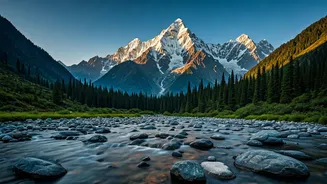
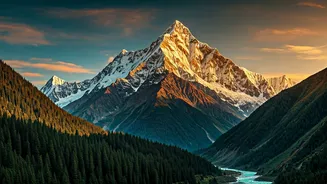
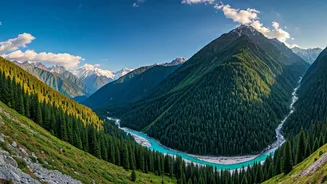
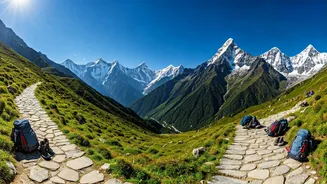
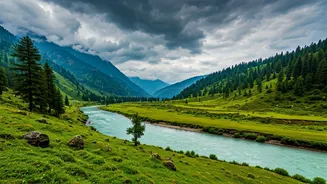
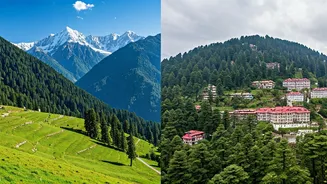
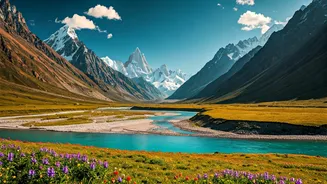
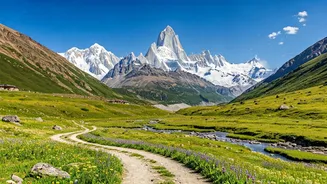
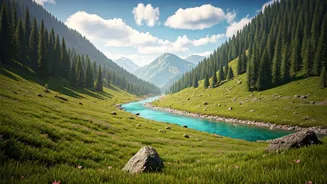
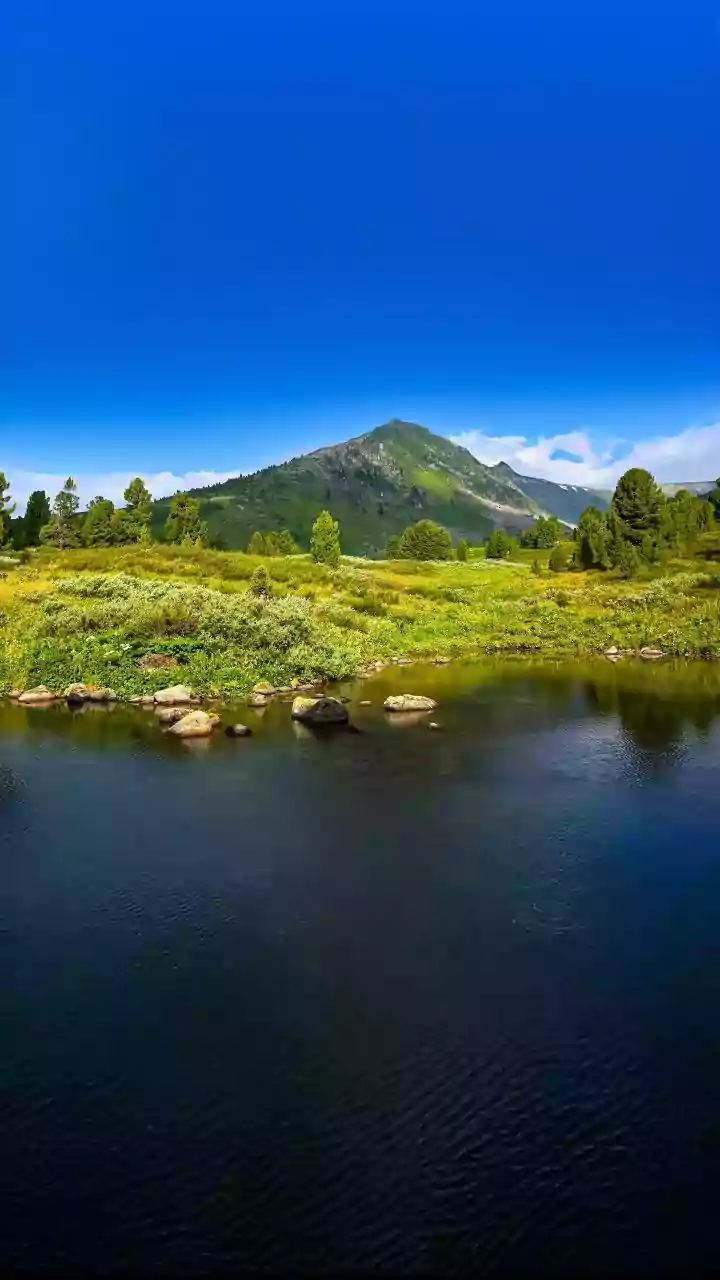
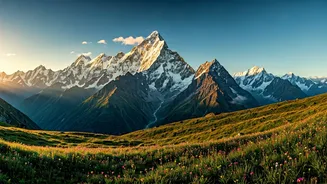
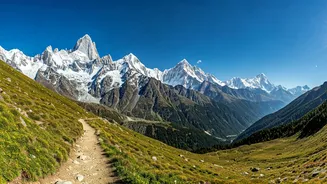
spring and early summer. The harsh winter has receded, leaving behind lush, green valleys and snow-capped peaks that glitter under clear blue skies. Temperatures are comfortably warm during the day and pleasantly cool at night, creating ideal conditions for exploring. You get all the breathtaking beauty of the mountains without the bone-chilling cold of winter or the travel-halting landslides and leeches of the monsoon months (July to September). It’s a true sweet spot, a Goldilocks season where the landscape is vibrant and accessible.
Manali: Adventure's High-Altitude Playground
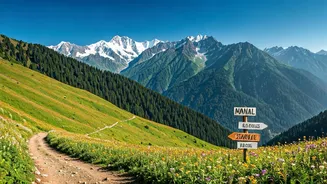
Manali is the more famous of the two towns, a bustling hub that serves as a gateway to Himalayan adventure. During the pre-monsoon period, the town and its surroundings are bursting with life. The Beas River, flowing through its heart, is full and fast with glacial melt. The winding lanes of Old Manali, a backpacker enclave separate from the main town, are filled with travelers browsing artisan shops and relaxing in bohemian cafes with stunning mountain views. This is the prime season for paragliding in the nearby Solang Valley, where you can soar like an eagle with a backdrop of epic peaks. It’s also the time when roads to higher altitudes, like the famed Rohtang Pass, begin to open, offering access to even more remote and dramatic landscapes. Manali provides the infrastructure and activities for those who want their mountain escape served with a side of adrenaline.
Kasol: The Parvati Valley’s Bohemian Heart
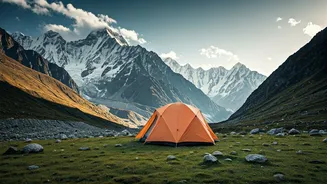
A few hours from Manali, nestled deep in the Parvati Valley, lies Kasol. If Manali is the adventure hub, Kasol is its laid-back, contemplative cousin. Known as the “Mini-Israel of India” for its large population of Israeli travelers, Kasol has a distinctly mellow, counter-culture vibe. The air smells of pine and a thousand different kitchens. The town itself is small, essentially a main street lined with guesthouses, German bakeries, and cafes overlooking the raging Parvati River. Kasol’s real magic is its role as a base camp. The pre-monsoon weather is perfect for undertaking legendary treks to nearby villages like Tosh, Malana, or the multi-day pilgrimage to the hot springs at Kheerganga. Here, the goal isn’t to tick off activities, but to slow down, acclimate to the rhythm of the valley, and simply be.
Fewer Crowds, Lower Costs, Better Vibe
While this season is by no means a secret, it offers a strategic advantage. You arrive before the peak domestic tourist rush, which floods the region when schools across India let out for summer vacation in mid-May and June. By traveling in April or early May, you can often find a better balance of good weather and thinner crowds. This can translate to more availability in guesthouses and a slightly more relaxed atmosphere. The vibe is one of shared discovery, a mix of international backpackers and early-bird Indian adventurers all there to witness the Himalayas awaken from winter. The cafes are buzzing but not overrun, the trails are open but not crowded, and the mountains feel both grand and intimately yours.
Know Before You Go
For American travelers, getting there is an adventure in itself. The most common route is to fly into Delhi (DEL) and take a comfortable overnight bus—a quintessential Indian travel experience. Alternatively, you can take a domestic flight to the small airport at Bhuntar (KUU), which serves the entire Kullu Valley, including Manali and Kasol. Pack layers: t-shirts for sunny afternoons, a fleece for cool evenings, and a rain jacket just in case of a rogue pre-monsoon shower. While credit cards are accepted in larger hotels and shops in Manali, cash is still king in Kasol and the smaller villages. Embrace the pace, be prepared for spotty Wi-Fi, and let the sheer scale of the landscape recalibrate your perspective.