


Why Go Vertical?
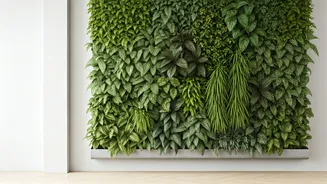
A living wall is more than just a design statement; it's a wellness upgrade for your home. In our increasingly compact living spaces, vertical gardens offer a brilliant solution for plant lovers short on floor space. By growing upwards, you can cultivate
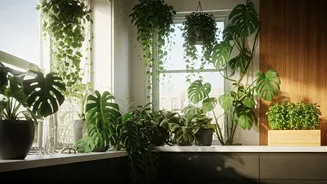
a dense collection of greenery without sacrificing a single square foot. This concept, known as biophilic design, links directly to our well-being. Studies suggest that being around indoor plants can reduce stress, improve focus, and even purify the air by filtering out common household toxins. A green wall acts as a natural air-conditioner and humidifier, creating a more comfortable indoor environment. And, of course, the visual impact is undeniable. It's a dynamic, ever-changing piece of art that brings texture, color, and life to any room.
Choosing Your Planter System
The right planter system makes all the difference. The most popular options for DIY-friendly projects are modular and pocket planters. Modular systems consist of individual plastic trays or cells that snap together, allowing you to customize the size and shape of your wall. Many include a built-in irrigation reservoir that simplifies watering. They are sturdy and great for creating a clean, uniform look. Pocket planters, often made from thick, recycled felt (like the popular Woolly Pockets), are more forgiving and offer a softer, more organic aesthetic. You simply hang the pocket on the wall and plant directly into it. For beginners, a self-watering system is a fantastic choice. These planters have a built-in reservoir that wicks water up to the plant roots as needed, taking the guesswork out of your watering schedule and preventing the dreaded over-or-underwatering cycle.
The Best Plants for a Living Wall
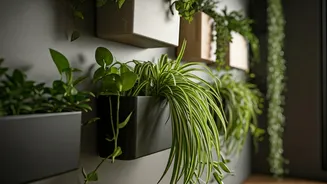
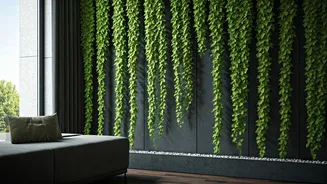
Not all houseplants are suited for vertical living. The ideal candidates are relatively low-maintenance, can tolerate a bit of crowding, and look great either trailing down or filling out their space. Here are some proven winners: * **Golden Pothos (Epipremnum aureum):** The undisputed king of easy-care plants. Its trailing, heart-shaped leaves are incredibly forgiving and thrive in a wide range of light conditions. It's fast-growing and will quickly create a lush, cascading effect. * **Heartleaf Philodendron (Philodendron hederaceum):** Similar to pothos, this vining plant is nearly foolproof. Its deep green, heart-shaped leaves create a dense curtain of foliage. * **Spider Plant (Chlorophytum comosum):** Known for its arching leaves and ability to produce “spiderettes” (baby plants), this plant adds wonderful texture and dimension. It's also a powerhouse air purifier. * **Boston Fern (Nephrolepis exaltata):** For a feathery, classic look, nothing beats a Boston Fern. It loves humidity, so it's a perfect choice for a bathroom or a well-misted wall in a brighter room. * **ZZ Plant (Zamioculcas zamiifolia):** If your wall is in a lower-light area, the ZZ plant is your best friend. Its waxy, upright leaves are architectural and require very little water.
Installation and Planting
Before you start, read the specific instructions for your chosen planter system. As a general guide, you'll want to choose a wall that gets appropriate light for your selected plants—most popular indoor plants prefer bright, indirect light. The most critical step is securely mounting the planter. A fully planted and watered wall is heavy, so you must anchor your system to wall studs or use heavy-duty drywall anchors rated for the final weight. Use a level to ensure everything is straight. Once the hardware is in place, you can attach your planters. When planting, gently loosen the root ball of each plant and place it in its pocket or cell, backfilling with a quality potting mix. Don't pack the soil too tightly; you want to allow for good drainage and air circulation.
Water, Light, and Long-Term Care
The number one challenge for a living wall is watering. The top of the wall tends to dry out faster than the bottom. Self-watering systems solve this, but if you're watering manually, check the soil moisture every few days. A good method is to use a watering can with a long spout to target each plant individually until water drips from the bottom drainage holes (if your system has them). Be careful not to let the wall get soggy. Most indoor vertical gardens won't need direct sun, which can scorch leaves. Rotate plants if you notice one side getting more light than the other. Prune your plants regularly to encourage fuller growth and remove any yellowing leaves. This keeps the wall looking tidy and prevents pests or disease from spreading. A light monthly feeding with a balanced liquid fertilizer during the growing season will keep your green wall vibrant and healthy.