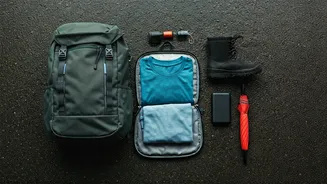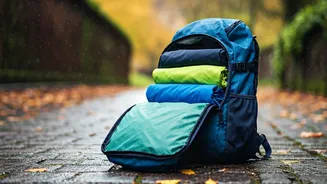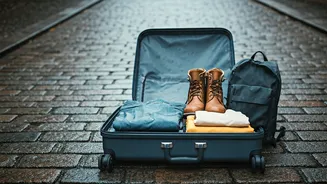




The Foundation: A Smarter Base Layer
The secret to staying comfortable in damp weather starts with the layer closest to your skin. For decades, travelers reached for cotton T-shirts, but that’s a mistake in the rain. Cotton absorbs moisture and holds onto it, leaving you feeling chilled
and clammy long after the rain stops. Instead, opt for a base layer made from merino wool or a modern synthetic like polyester or TENCEL™. Merino wool is a natural wonder: it wicks moisture away from your skin, insulates even when damp, and is naturally odor-resistant, meaning you can wear it more than once. Synthetics offer similar moisture-wicking properties at a lower price point and are exceptionally durable. Either choice will form a dry, comfortable foundation for the rest of your outfit.
The Workhorse: Versatile Travel Pants
Jeans are a travel staple, but they are your worst enemy on a rainy getaway. Once wet, they become heavy, restrictive, and can take more than a day to fully dry in a humid hotel room. Swap them for a pair of pants made from nylon or a polyester blend. Originally designed for hiking and outdoor adventure, these pants have become a traveler’s best friend. They are lightweight, offer stretch for all-day comfort, and, most importantly, dry incredibly fast. A light shower might leave them damp, but they’ll often be dry again within an hour of finding cover. Many modern styles are tailored and stylish enough to transition from a misty trail walk to a casual dinner, making them a highly versatile addition to your luggage.
The Insulator: A Cozy Mid-Layer
When the temperature drops along with the rain, a good mid-layer is essential for warmth. This is where a fleece jacket or a merino wool sweater shines. A micro-fleece or grid-fleece pullover provides excellent insulation without adding bulk. The synthetic fibers don't absorb water, so even if it gets a little damp, it will continue to keep you warm and will dry quickly once you're indoors. A merino wool sweater offers a slightly more classic look with the same technical benefits: it's warm, breathable, and stays comfortable when damp. Layering this piece over your base layer and under your rain shell creates a personal climate-control system that you can adjust as the weather changes throughout the day.
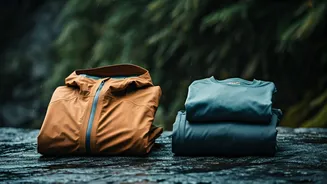
The Shield: A Breathable Rain Shell
Not all rain jackets are created equal. While a cheap plastic poncho will keep rain out, it will also trap all your body heat and perspiration, leaving you feeling just as damp from the inside. A quality rain shell is both waterproof and breathable. Look for jackets with technical membranes (like Gore-Tex or a brand’s proprietary equivalent) that have microscopic pores. These pores are small enough to block water droplets from getting in but large enough to allow water vapor (your sweat) to escape. This technology is the key to staying truly dry. Features like pit-zips (zippers under the armpits) offer extra ventilation for when you’re on the move, ensuring you stay comfortable, not swampy.
The Unsung Hero: Performance Socks
Happy feet are the foundation of a good travel day, and wet feet are a recipe for misery and blisters. Just as you avoid cotton T-shirts, you must avoid cotton socks. They soak up water and sweat, lose their shape, and lead to discomfort. The solution, once again, is merino wool. Wool socks cushion your feet, wick moisture effectively, and insulate even if they get wet from a rogue puddle. They also come in various weights, from ultra-light for warmer days to thick and cozy for cold, rainy treks. Packing two or three pairs of quality wool socks is one of the single best investments you can make for a comfortable rainy getaway.