



Win the War on Weeds Early
Weeds are more than just an eyesore; they are direct competitors, stealing water, sunlight, and nutrients from your prized plants. June is when many aggressive annual weeds, like crabgrass and purslane, kick into high gear. Dealing with them now, before
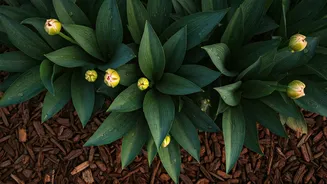
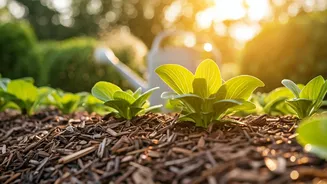
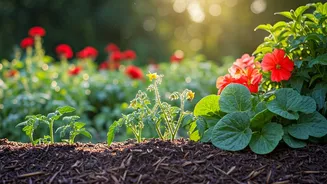
they set seed, prevents a small problem from becoming an exponential one. Spend 15-20 minutes a few times a week pulling weeds when the soil is damp, which makes the task much easier. Afterward, apply a thick, 2-to-3-inch layer of mulch (like shredded bark, straw, or compost) around your plants. This is your number one preventative tool. Mulch smothers new weed seedlings, conserves precious soil moisture as temperatures rise, and keeps soil temperatures stable.
Scout for Pests, Don't Spray Blindly
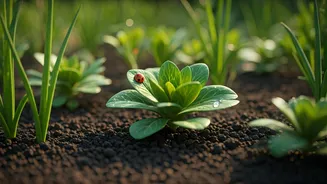
The arrival of warmer weather is an open invitation for pests. Instead of waiting for a full-blown infestation, adopt the role of a garden detective. Take regular strolls through your garden, inspecting the undersides of leaves, new growth, and developing fruit. Look for the early signs: chewed leaves, sticky residue, or clusters of aphids on tender shoots. Hand-picking larger culprits like tomato hornworms or Japanese beetles and dropping them into a bucket of soapy water can be incredibly effective. For smaller pests, a sharp spray of water can dislodge them. Only resort to treatments like insecticidal soap or neem oil for persistent issues, always applying in the evening to avoid harming beneficial pollinators. Prevention here means stopping a small group of pests before they can reproduce and overwhelm your plants.
Outsmart Fungal Diseases
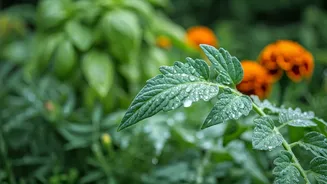
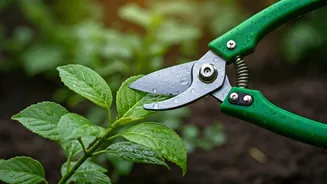
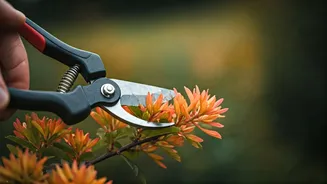
Warm days and humid nights create a perfect breeding ground for fungal diseases like powdery mildew, black spot on roses, and early blight on tomatoes. Prevention is all about creating an environment where these diseases can't take hold. First, promote good air circulation. If your plants are overcrowded, consider selectively pruning a few branches to open them up. Second, adjust your watering habits. Water the soil, not the leaves, by using a soaker hose or watering wand at the base of the plant. Wet foliage, especially overnight, is a primary cause of fungal spread. Water in the morning so any stray splashes have time to dry in the sun. If you spot a diseased leaf, prune it off immediately and dispose of it in the trash, not the compost pile.
Water Deeply to Build Resilience
It’s tempting to give your garden a light sprinkle every day, but this is counterproductive. Shallow watering encourages shallow roots, creating plants that are weak and dependent. To prepare your garden for the inevitable heat waves and potential dry spells of July and August, train your plants to be tough. The key is deep, infrequent watering. Instead of a daily sprinkle, give your garden a long, slow soak once or twice a week. This encourages roots to grow deeper into the soil in search of moisture, creating a more robust and drought-tolerant root system. A simple test: stick your finger a few inches into the soil. If it’s dry, it’s time to water. If it’s still moist, you can wait.
Install Supports Before You Need Them
Your tomatoes, climbing beans, peonies, and towering delphiniums are full of ambition right now. In June, they are growing rapidly, but they might not yet look like they need help. This is precisely the time to act. Installing stakes, cages, and trellises *before* plants are large and sprawling is a critical preventative step. Trying to wrangle a fully grown, heavy tomato plant into a cage is a recipe for broken branches and frustration. Placing a peony hoop over the plant when it’s a foot tall allows it to grow up through the support naturally. Providing a trellis for your beans now gives their tendrils something to grab onto early. This simple act of foresight prevents wind and rain damage later and ensures your plants have the structure they need to support a heavy, productive harvest.