








It's a Game You Can Actually Win
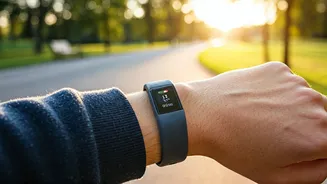
At their core, walking challenges tap into the power of gamification. They take a mundane activity—putting one foot in front of the other—and turn it into a game with clear rules, visible progress, and satisfying rewards. Your smartphone or wearable isn't
just a tracker; it's a game console. Hitting 10,000 steps unlocks a digital badge. A week of consistent walks completes a streak. This feedback loop, full of small victories and tangible milestones, provides a steady drip of dopamine, the brain's feel-good chemical. Unlike trying to 'get fit'—a vague and often intimidating goal—a walking challenge offers a concrete objective: hit the number, fill the progress bar, and beat the game for the day.
The Goal Is Both Simple and Scalable
The genius of walking is its accessibility. You don’t need special equipment, a pricey gym membership, or a high level of athletic skill to start. This 'low floor' means almost anyone can join a challenge, from a sedentary office worker to a retiree. Yet, it also has a 'high ceiling.' A casual walker might aim for 7,000 steps, while a competitive colleague might push for 20,000. This scalability allows everyone to participate on their own terms, measuring success against their personal baseline. It’s a rare fitness trend that feels inclusive rather than exclusive, inviting people in instead of intimidating them.
Community Without the Commitment
Many of us crave community but lack the time or energy for organized sports leagues or intense group fitness classes. Walking challenges offer the perfect middle ground: social connection on your own schedule. You get the camaraderie of a shared goal and the lighthearted fun of friendly competition, all without having to coordinate schedules. A quick glance at a leaderboard on an app like Strava or Fitbit can spur you to take an evening stroll to catch up to a friend. It’s a form of passive social interaction that fosters connection—you’re all in it together, even when you’re walking alone.
It Makes Progress Visible
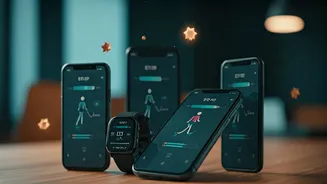
One of the most frustrating aspects of any health journey is the feeling that your efforts are invisible. You might eat well for a week and not see the scale budge. But with a walking challenge, your effort is quantified and validated in real time. Every step counts, and every walk moves you closer to your goal. The charts, graphs, and daily summaries provided by fitness apps serve as undeniable proof of your hard work. This visible data is incredibly motivating; it creates a powerful psychological link between action (walking) and reward (seeing your numbers go up), reinforcing the new habit.
An Excuse to Explore
When you’re trying to hit a step goal, your daily routine starts to look different. That quick drive to the coffee shop becomes a pleasant 15-minute walk. An after-dinner slump turns into an opportunity for a lap around the neighborhood. Walking challenges encourage us to re-engage with our immediate surroundings, discovering new parks, paths, and shortcuts we’d otherwise miss from behind a car windshield. Some apps even layer on virtual challenges, where your steps move you along a digital map of the Appalachian Trail or the coast of Italy, adding a layer of novelty and wanderlust to a simple walk around the block.