






Let's Clear Something Up for Americans
Before we dive in, let’s address the most important question for U.S. readers: how does this affect you? The short answer is, for most typical trips, it doesn’t—at least not directly. U.S. passport holders can travel to the 29 countries in the Schengen
Area for up to 90 days within a 180-day period for tourism or business without a visa. The current spike in rejections primarily impacts travelers from countries in Africa and Asia who must go through a lengthy application process. However, this trend is part of a broader tightening of European travel rules that will soon impact Americans. Starting in mid-2025, U.S. citizens will need to apply for an ETIAS (European Travel Information and Authorisation System) travel authorization online before their trip. It's not a visa, but it is a new mandatory step, so understanding the landscape now is smart.
So, Why Are Rejections Spiking?
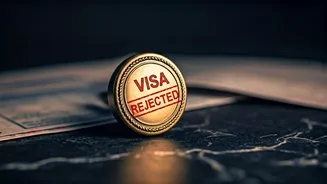
The dream of a European holiday has collided with a few harsh realities. First, there's a massive post-pandemic travel surge. Consulates that were downsized during COVID-19 are now overwhelmed with applications, leading to backlogs and less time to review each case. Second, economic instability and geopolitical conflicts have made some European nations more cautious about who they admit, fearing travelers might overstay their visas. According to data from the European Commission, the global rejection rate hit a record high in 2023. Countries like France, Spain, and Germany are notoriously meticulous. Consular officers are trained to spot red flags, and with the high volume of applications, any small error—an incomplete form, a dubious itinerary, or insufficient proof of funds—is more likely to result in a swift denial rather than a request for more information.
The Most Common Application Pitfalls
While Americans don't face this process for short trips, if you're traveling with friends or family who need a visa, or planning a long-term stay yourself, knowing the common mistakes is crucial. The number one reason for rejection is a failure to justify the purpose and conditions of the intended stay. This is a catch-all for vague travel plans. Booking a flight but having no hotel reservations, or listing a cross-continental backpacking trip with no train tickets or hostel bookings, raises suspicion. Another major issue is insufficient proof of funds. Applicants must prove they can support themselves for the duration of their trip, and a weak bank statement can sink an application. Finally, simple administrative errors, like forgetting to sign a form or submitting an expired passport, are frustratingly common reasons for denial. The burden of proof is entirely on the applicant to present a clear, convincing, and well-documented case.
Your New Smart Traveler Checklist
The era of spontaneous, last-minute European trip planning is facing some headwinds. The new golden rule is to plan ahead, especially if your travel party includes non-U.S. citizens. First, apply early. Schengen visa applications can be filed up to six months before a trip, and waiting until the last minute is a recipe for disaster. Second, book refundable everything. Spend a little extra on flexible flights and hotels that can be canceled without a penalty. Third, consider travel insurance that specifically covers costs lost due to visa rejection; not all policies do. Finally, be meticulously organized. Create a clear, day-by-day itinerary. Provide bank statements showing consistent income, not just a recent large deposit. Write a cover letter explaining your trip's purpose. For Americans, the takeaway is to start tracking the ETIAS rollout. This new system, while simple, will add another step to your pre-trip to-do list.