




Watermelon Rinds: Make a Classic Pickle
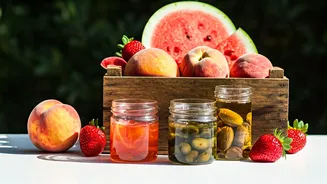
Before you toss that heavy watermelon rind, consider its second life as a crisp, sweet-and-sour pickle. A time-honored tradition in the American South, pickled watermelon rind is surprisingly delicious and versatile. The process involves peeling the tough
green outer skin, cutting the white rind into cubes, and simmering it in a brine of vinegar, sugar, water, and spices like cinnamon, cloves, and star anise. The result is a translucent, tender-crisp condiment that’s fantastic alongside grilled meats, chopped into a chicken salad for a surprising crunch, or served with a cheese board. It transforms the most discarded part of the fruit into a pantry delicacy, proving that the best flavors are sometimes found where you least expect them.
Citrus Peels: The Flavor Powerhouse
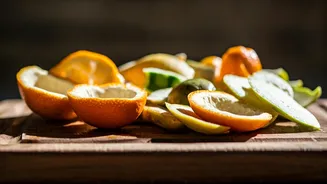
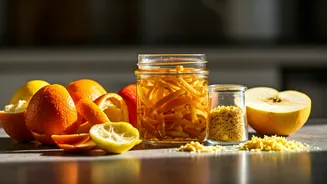
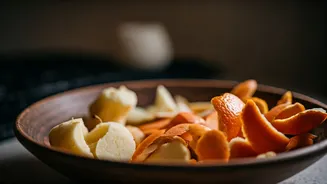
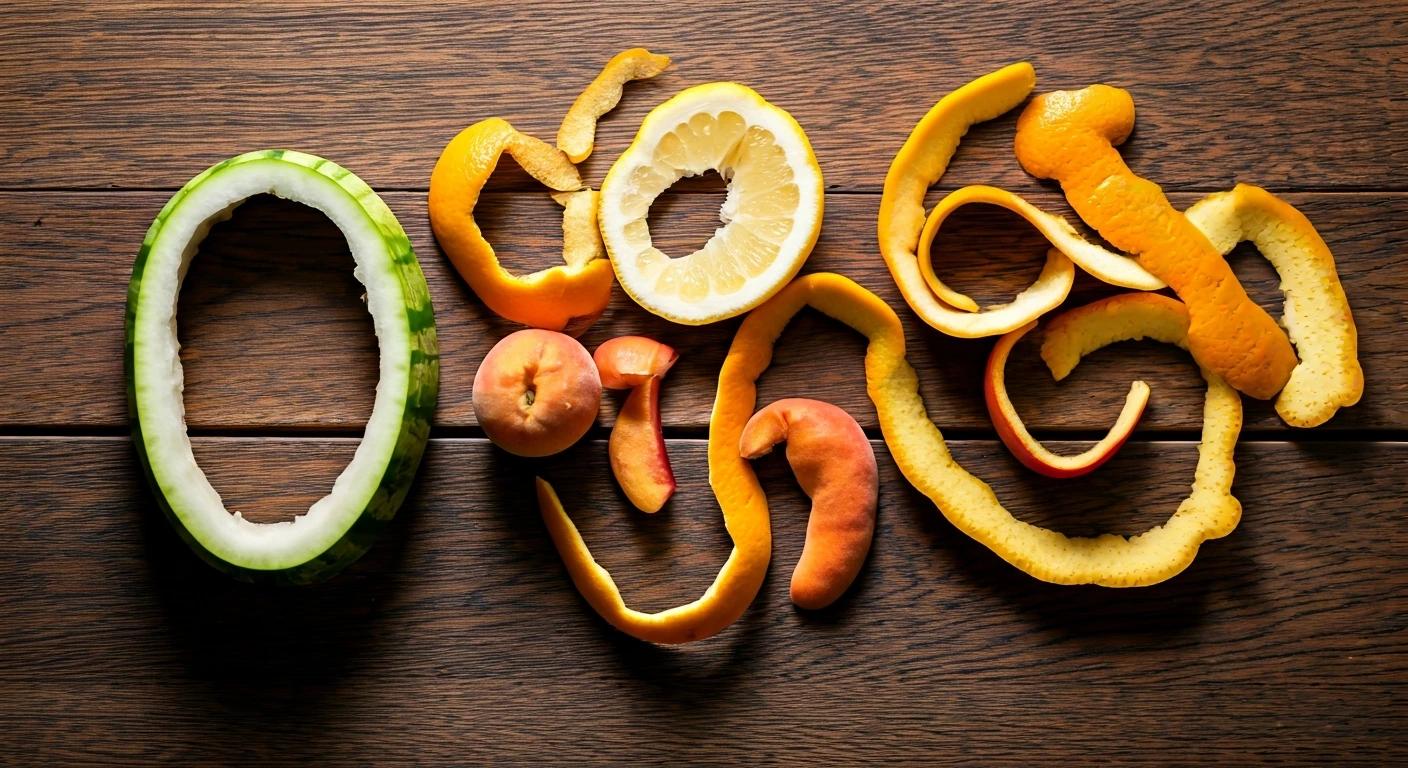
Lemon, lime, orange, and grapefruit peels are packed with aromatic oils that are too valuable to waste. One of the easiest and most impressive uses is making an oleo saccharum, or “oily sugar.” Simply cover your peels with sugar and let them sit for a few hours or overnight. The sugar will draw out the essential oils, creating a intensely fragrant, citrusy syrup perfect for elevating cocktails, homemade lemonade, or iced tea. You can also candy the peels by boiling them in a simple syrup, then drying them for a sweet garnish on cakes and desserts. For a non-edible option, stuff the peels into a jar, cover with white vinegar, and let it infuse for a couple of weeks. Strain it, and you have a fragrant, all-purpose cleaner.
Peach & Nectarine Skins: Create Infusions
The delicate, fuzzy skins of peaches and nectarines might not seem appealing on their own, but they are full of flavor and color. One of the best ways to use them is to create an infused simple syrup. After peeling peaches for a pie or cobbler, collect the skins in a small saucepan, cover them with equal parts sugar and water, and bring to a gentle simmer. Let it steep for about 20 minutes, then strain out the skins. You’ll be left with a beautiful, blush-pink syrup that tastes intensely of fresh peaches. It’s perfect for sweetening iced tea, mixing into cocktails, drizzling over pancakes or yogurt, or even as a base for a refreshing summer soda with a splash of club soda.
Cantaloupe & Melon Rinds: Get Creative
While watermelon gets all the attention, the rinds of other melons like cantaloupe can be used in similar ways. Like their watermelon cousins, cantaloupe rinds can be pickled. Because they are slightly thinner, they require a bit less simmering time, but they absorb the pickling spices beautifully, offering a unique flavor that’s slightly more floral. You can also candy them, creating chewy, sweet morsels. For a simpler approach, toss the rinds (with a little bit of fruit still attached) into a pitcher of water for a subtly infused drink that’s far more interesting than plain water on a hot day. It’s a great way to experiment with a less common form of food scrap utilization.
A Quick Note on Preparation and Safety
When you plan to consume the peels of any fruit, proper preparation is key. First, scrub the outside of your fruit thoroughly under running water to remove dirt and surface contaminants. Because pesticides can concentrate on the skin of conventionally grown produce, it’s a good practice to opt for organic fruits if you intend to eat the peels. If organic isn’t an option, a very thorough wash is still your best defense. This small step ensures that your sustainable kitchen practices are also safe and healthy, allowing you to enjoy the full flavor of the fruit, from the inside out.