




The Allure of the Off-Season
When most Americans picture Goa, they imagine sun-drenched beaches packed with tourists from December to February. It’s a scene fueled by electronic music festivals and a vibrant, anything-goes nightlife. But a growing number of travelers, particularly
couples, are intentionally booking their trips for the opposite time of year: the monsoon season, which typically runs from June to September. This isn't an accident. It’s a deliberate choice to experience a completely different version of the coastal paradise, one that trades crowds for tranquility. The shift reflects a broader trend in post-pandemic travel, where a search for authenticity and connection is replacing the desire to simply be seen at the hottest spot. The “rediscovery” of Goa is less about finding a new place and more about finding a new pace.
Monsoon Magic: A Sensory Escape
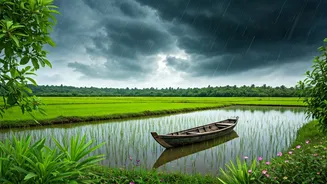
Visiting Goa during the monsoon is a full-body sensory experience. The landscape, parched and dusty after the long, hot summer, undergoes a dramatic transformation. Within weeks, everything is covered in an almost impossibly vibrant shade of green. Rice paddies become liquid mirrors reflecting the dramatic, cloud-filled sky. The air, heavy with humidity, carries the scent of petrichor—the intoxicating smell of rain hitting dry earth. Instead of baking on a crowded beach, couples find themselves sipping chai on a covered veranda, watching intense but brief downpours sweep in from the Arabian Sea. It’s a cozy, atmospheric setting that feels tailor-made for romance, encouraging travelers to slow down, read a book, and simply be present with one another.
Beyond the Beach Chair
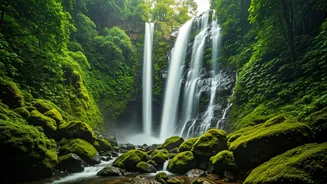
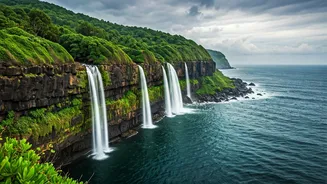
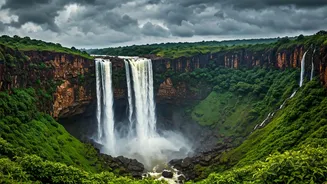
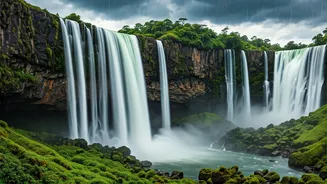
While many beach shacks close for the monsoon, a whole new set of activities opens up. This is the best time to explore Goa’s lush interior. The Dudhsagar Falls, one of India's tallest waterfalls, becomes a roaring spectacle, accessible via a rugged jeep safari through the Bhagwan Mahavir Wildlife Sanctuary. Spice plantations in the Ponda region are at their most fragrant and verdant, offering fascinating tours that explain the origins of everything from cardamom to vanilla. The historic, UNESCO-listed churches of Old Goa, with their stunning Portuguese-Baroque architecture, can be explored in relative solitude, allowing for quiet contemplation without jostling through tour groups. It’s also a prime season for food lovers, with many restaurants offering cooking classes focused on the rich, coconut-based Goan-Portuguese cuisine.
Wellness, Not Wildness
The off-season vibe aligns perfectly with the world of wellness. The quiet, introspective atmosphere is ideal for yoga and meditation retreats, which have become a significant draw. Many high-end hotels and dedicated wellness centers offer packages focused on Ayurveda, the ancient Indian system of medicine, providing personalized treatments designed to rejuvenate mind and body. The goal isn’t a week of hard partying but a week of deep restoration. For couples looking to disconnect from their hectic lives back home, the Goan monsoon provides a natural sanctuary. The rhythm of the rain and the surrounding nature creates a peaceful backdrop for reconnecting with oneself and a partner, away from the constant stimulation of modern life.
The Practical Perks of a Quieter Goa
Beyond the romantic and spiritual appeal, there are significant practical benefits. With lower demand, flight prices to Goa can be more affordable. The real prize, however, is accommodation. Luxury hotels and boutique properties that command premium rates in December often offer steep discounts during the monsoon. This makes a level of comfort and opulence accessible to a wider range of travelers. Securing reservations at top-rated restaurants is easier, and the general pace of life is more relaxed. You get a more intimate and personal experience, interacting with locals who aren’t overwhelmed by the peak-season rush. It's the 'insider's secret' of Indian travel, offering five-star experiences at a fraction of the price and without any of the hassle.