


The End of Trend-Hopping
After years of algorithm-fueled aesthetics that demanded complete wardrobe overhauls every few weeks, a sense of fatigue has set in. Gen Z, a demographic practically raised on fast-fashion hauls and TikTok-driven ‘cores,’ is showing signs of a major vibe
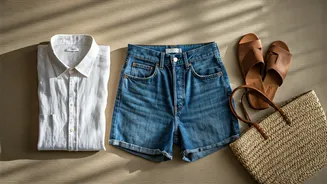
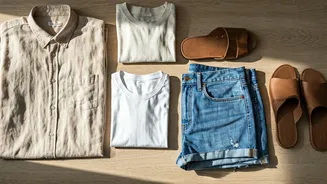
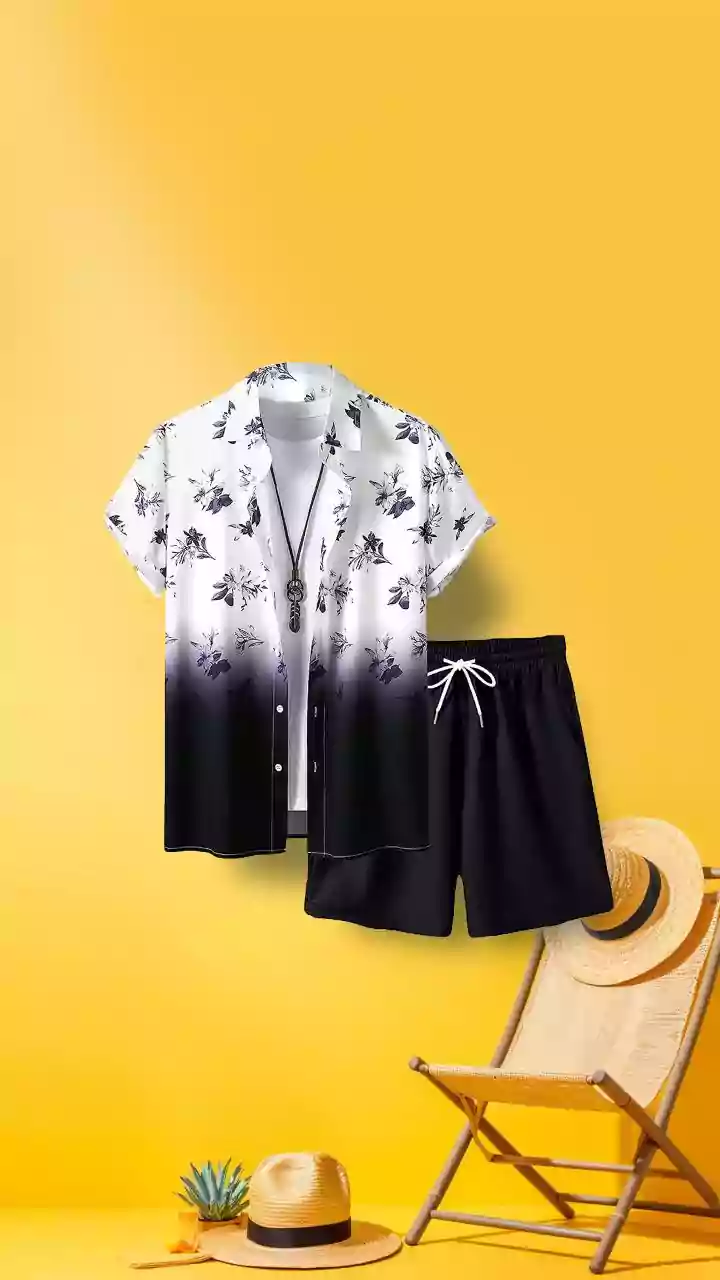
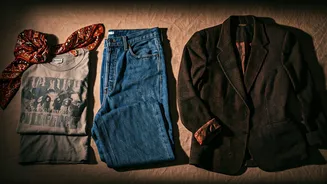
shift. This summer, the look isn't about chasing a fleeting online aesthetic; it's about building a wardrobe that actually works. The new uniform is less about flashy logos and more about timeless silhouettes: the perfect white t-shirt, well-fitting denim, a versatile linen dress, classic sneakers. It’s a return to basics, but with a renewed emphasis on quality, fit, and personal style over performative trendiness. This isn't minimalism born from a lack of interest, but a deliberate choice to step off the consumerism treadmill.
The Economic Reality Check
You can’t separate fashion from finance, and for many in Gen Z, the numbers just don't add up anymore. Saddled with student loan payments, facing a volatile job market, and dealing with inflation that makes a carton of eggs feel like a luxury purchase, discretionary income for trendy clothes is shrinking. The idea of dropping hundreds of dollars on a Shein or Zara haul for items that might be worn once before being declared ‘cheugy’ feels increasingly irresponsible and out of touch. Instead, the focus is shifting to cost-per-wear. A well-made, $80 pair of jeans that can be worn for years feels like a smarter investment than ten pairs of $8 pants that will fall apart after a few washes. This pragmatic approach redefines ‘aspirational’ not as having a closet full of clothes, but having a small collection of items you truly love and that will last.
Burnout From the Algorithm
The constant pressure to perform online has created a new kind of exhaustion. The same TikTok algorithm that once served up an endless stream of ‘must-have’ items is now also fueling a counter-movement. Content creators championing ‘de-influencing’ advise followers on what *not* to buy, while others promote capsule wardrobes and style challenges like the ‘75 Hard Style Challenge,’ which encourages wearing what you already own in new ways. This digital pushback reflects a deeper desire for authenticity. Gen Z is realizing that personal style isn't something you can buy; it's something you cultivate. By simplifying their wardrobes, they are creating space to figure out what they actually like, free from the noise of a million paid partnerships and sponsored posts telling them who to be.
A Quiet Sustainability Statement
While price is a major driver, the move toward simplicity is also intertwined with Gen Z’s well-documented environmental concerns. The horrors of fast fashion—from exploitative labor practices to the mountains of textile waste—are no longer an industry secret. For a generation passionate about climate justice and ethical consumption, participating in the endless cycle of buying and discarding clothes creates a cognitive dissonance. Choosing a simpler, smaller wardrobe is a form of quiet protest. It’s a vote for ‘slow fashion,’ even if it’s just by default. By buying less but buying better (or buying secondhand), they are aligning their consumer habits with their values, making a statement that true style shouldn't cost the planet its future.