



Why Your Rainy Garden Needs a Haircut
A wet spring is a double-edged sword for gardeners. While abundant water fuels vigorous growth, it also creates the perfect storm for problems that can plague your plants all summer long. Dense, overgrown foliage traps humidity, creating a breeding ground
for fungal diseases like powdery mildew and black spot. Stems, heavy with water and rapid growth, are prone to flopping over, looking messy and potentially smothering neighboring plants. Think of a June pruning session as a preventative health check-up. By selectively thinning out branches and stems, you dramatically improve air circulation around and through your plants. This simple act allows leaves to dry faster after rain or morning dew, robbing fungal spores of the damp conditions they need to thrive. It also redirects the plant’s energy from producing excess leaves to strengthening stems, developing more flowers, and building a robust root system before the intense heat of mid-summer arrives.
The 'Right Now' Pruning List
Timing is everything in the garden, and June is a sweet spot for tidying up specific plants. Your primary targets are plants that have either finished their spring show or are getting ahead of themselves.
**Spring-Flowering Shrubs:** Any shrub that bloomed on last year's growth is ready for a post-flower prune. Think forsythia, weigela, lilacs, and spirea. They have finished their performance, and pruning them now gives them the entire summer to produce the new wood on which next year's flowers will form. Cut back about a third of the oldest, thickest stems to the base to rejuvenate the plant and remove any branches that are crossing or look weak.
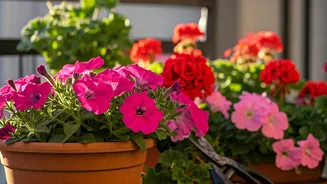
**Herbaceous Perennials:** Many perennials, like catmint (Nepeta), hardy geraniums, and salvia, can get leggy and top-heavy by June. Don't be shy about giving them a major trim. This technique, sometimes called the "Chelsea Chop," involves cutting the entire plant back by about one-third to one-half. It feels drastic, but it encourages the plant to become bushier and more compact, producing a second, sturdier flush of blooms later in the summer. For plants like peonies and irises, simply deadhead the spent flower stalks down to the foliage.
Know What to Leave Alone
Just as important as knowing what to cut is knowing what to spare. Pruning the wrong plant at the wrong time can mean sacrificing next year's flowers. The most important group to avoid pruning now are shrubs that will bloom later in the summer on the growth they are currently producing. This includes many popular hydrangeas, like the panicle (Hydrangea paniculata) and smooth (Hydrangea arborescens) varieties, as well as butterfly bush (Buddleia).
Additionally, be cautious with summer-blooming shrubs that set their flower buds on old wood, such as oakleaf hydrangeas and some bigleaf varieties (Hydrangea macrophylla). Pruning these in June means you're cutting off the buds that would become this summer's flowers. The general rule is simple: if a shrub hasn't bloomed yet, wait until after it finishes its floral display before reaching for the pruners. For these plants, a late winter or early spring prune is usually the better choice.
Simple Tools and Techniques for Success
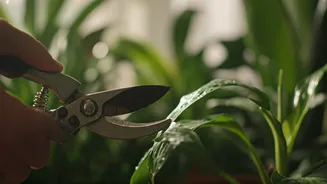
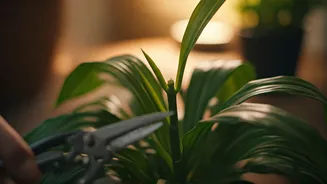
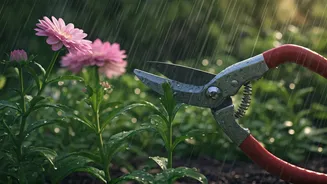
You don't need a shed full of professional gear to get the job done. For 90% of June pruning, a clean, sharp pair of bypass pruners is your best friend. "Bypass" pruners act like scissors, making a clean cut that heals quickly. Anvil-style pruners, which crush the stem, can cause more damage.
Before you start, clean your pruner blades with a bit of rubbing alcohol or a disinfectant wipe. This prevents the spread of disease from one plant to another. When you make your cut, do so at a 45-degree angle just above a leaf node (the small bump on a stem where a leaf or new branch emerges). Angling the cut ensures water runs off, reducing the chance of rot.
Your main techniques will be:
* **Deadheading:** Simply snipping off spent flowers. This neatens the plant and encourages it to produce more blooms instead of seeds.
* **Thinning:** Removing entire stems at the base of the plant to open up its structure for better air and light penetration.
* **Shaping:** Cutting back stems to a desired height or shape to control size and promote bushier growth. This is where the "Chelsea Chop" falls.