




The Off-Season Advantage
For many, the idea of traveling to a popular beach destination during the rainy season sounds counterintuitive. But for the solo female traveler, the monsoon (roughly June to September) on the Konkan Coast presents a distinct advantage. The boisterous
crowds of peak season evaporate, replaced by a slower, more contemplative rhythm. This shift dramatically alters the atmosphere; the focus moves from tourist-centric nightlife to local life. Fewer people mean more personal interactions, less unsolicited attention, and a general sense of calm that can make navigating a new place alone feel significantly more manageable. The tourist economy quiets down, and you’re more likely to experience the region on its own terms, fostering a deeper, more authentic connection.
Choosing Your Sanctuary
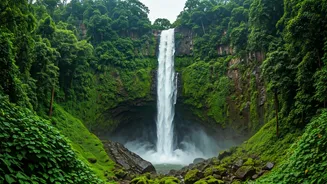
The Konkan Coast stretches over 450 miles, offering a diverse range of locales. The key to a secure and enjoyable solo trip is choosing your base wisely. While North Goa’s party hubs largely shut down, the southern villages like Palolem and Agonda retain a quiet charm, with a handful of guesthouses and cafes remaining open for the discerning few. Further south, in Karnataka, Gokarna offers a spiritual, laid-back vibe. In Maharashtra, sleepy coastal towns like Vengurla and Tarkarli, known for their pristine beaches and historic forts, become lush paradises. Opting for these smaller, community-oriented places often means staying in family-run guesthouses or well-regarded homestays where hosts provide not just a room, but a network of support and local knowledge.
Navigating with Confidence
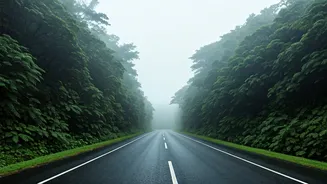
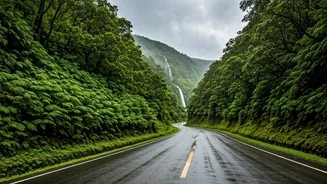
Getting around is a core part of the adventure, and the Konkan Railway is an experience in itself. Hailed as an engineering marvel, the train line winds through mountains, valleys, and rivers, offering breathtaking views of the rain-soaked landscape. Booking a ticket in an air-conditioned (AC) or women’s compartment for overnight journeys is a comfortable and secure option. For shorter distances, pre-booked taxis arranged through your guesthouse are reliable. While local buses are the most economical choice, they can be crowded. Ride-sharing apps are prevalent in larger towns, but checking with your host about reputable local drivers is always a smart move. The key is planning your main travel legs in advance, especially during the monsoon when weather can cause occasional delays.
Dressing for Comfort and Respect
Packing for the monsoon is less about fashion and more about function. Quick-dry clothing, reliable rain gear, and sturdy, waterproof footwear are non-negotiable. But beyond practicality, dressing with cultural awareness is a simple yet powerful tool for blending in and feeling secure. While major tourist spots are accustomed to Western dress, opting for lightweight long pants, long skirts, and tops that cover the shoulders is a sign of respect that can foster warmer interactions. A scarf or pashmina is a versatile accessory; it can provide warmth in a chilly AC train car, serve as a head covering if visiting a temple, and add a layer of modesty when you feel it’s appropriate. This isn't about hiding, but about navigating your environment with thoughtful confidence.
The Power of a Planned Itinerary
While spontaneity is a joy of travel, a well-researched plan is the foundation of a safe solo journey. This doesn't mean scheduling every minute, but rather having your first few nights of accommodation booked, a clear idea of how you'll get from the airport or train station to your lodging, and a local contact number (like your guesthouse owner) saved in your phone. Arriving in a new place during daylight hours is a universal rule of thumb for solo travelers. Share your itinerary with a friend or family member back home and check in regularly. These simple precautions aren't born from fear, but from a place of empowerment, freeing you up to truly immerse yourself in the magic of the monsoon without unnecessary stress.