



The Economics of Deliciousness
Why do these tropical gems suddenly become so affordable? It’s a simple, beautiful story of supply and demand. While you can find mangoes year-round, the U.S. market is flooded with them during the spring and summer months. This is when the peak growing
seasons hit for our largest suppliers, primarily Mexico, but also countries like Haiti, Guatemala, and Nicaragua. With millions of mangoes being harvested and shipped north, retailers compete for your attention by dropping prices. What was a $3 indulgence in February might become a three-for-$5 deal in June. This isn’t a marketing gimmick; it’s the direct result of agricultural abundance. You’re not just getting a better price; you’re getting the fruit at its absolute peak, having traveled a shorter distance and spent less time in storage. It’s a true win-win for farmers, retailers, and anyone with a sweet tooth.
A Crash Course in Common Mangoes
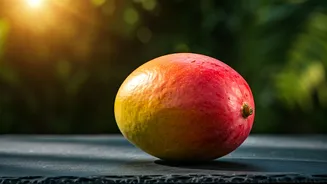
Not all mangoes are created equal. The variety you see most often is the Tommy Atkins—a medium-to-large, reddish-green fruit that’s hardy and travels well. It’s mildly sweet but can be fibrous. If you see the small, kidney-bean-shaped, bright yellow Ataulfo (or Honey) mango, grab it. Its flesh is buttery, fiberless, and intensely sweet. Later in the summer, look for Kent and Keitt mangoes. Both are large, green-skinned (even when ripe!), and have a rich, classic mango flavor with very little fiber. The key takeaway? Don't judge a mango by its color. A red blush doesn’t always signal ripeness; it's often just a characteristic of the variety, like the red cheeks of a Tommy Atkins.
The Art of the Perfect Pick
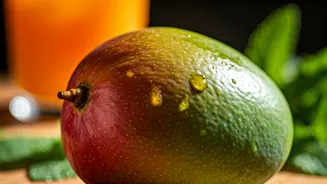
Navigating the mango pile can be intimidating, but a few simple tricks will ensure you go home with a winner. First, gently squeeze the fruit. A ripe mango will have a slight give, similar to a ripe peach or avocado. If it’s rock-hard, it’s not ready. If it’s mushy or has soft spots, it’s past its prime. Second, use your nose. A ripe mango will have a fragrant, fruity aroma near the stem. If you don’t smell anything, it’s likely not ready to eat, even if the color looks right. If you can only find firm, unripe mangoes, don’t worry. Just place them in a paper bag on your kitchen counter for a few days. The ethylene gas they release will be trapped, speeding up the ripening process. Once ripe, you can store them in the refrigerator for up to five days to slow further ripening.
How to Put Your Bounty to Use
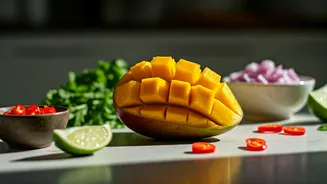
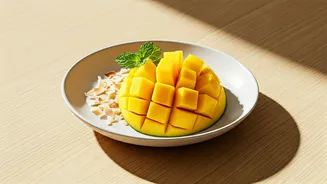
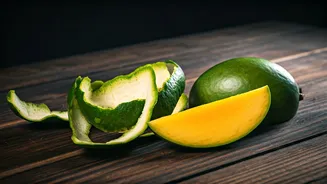
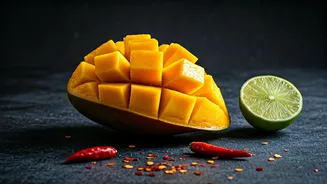
Once you’ve mastered the art of slicing it without turning it into a slippery mess (pro tip: use the “hedgehog” method or a mango splitter), the possibilities are endless. Sure, eating it fresh over the sink is a time-honored summer ritual. But don't stop there. Diced mango transforms any green salad into something special, especially with a lime vinaigrette. Blend it with yogurt and a splash of orange juice for a perfect breakfast smoothie. For a savory twist, a simple mango salsa—diced mango, red onion, cilantro, jalapeño, and lime juice—is an unbeatable topping for grilled fish, chicken, or tacos. And if you’re firing up the grill, throw on some thick mango slices for a few minutes. The heat caramelizes the sugars, creating a smoky, sweet dessert that’s divine with a scoop of vanilla ice cream.