



The Backlash Against Perfection
Remember the mid-2010s? Instagram feeds were pristine grids of avocado toast, coordinated outfits, and impossibly perfect vacation shots, all bathed in the same warm filter. This was the era of the mega-influencer, where style felt aspirational but also
incredibly uniform. For Gen Z, who came of age in the shadow of this hyper-curated world, a quiet fatigue set in. The pressure to present a polished, blemish-free version of oneself became exhausting. The push for a “less manufactured” look is a direct reaction to that burnout. It’s a rejection of the idea that one’s online self must be a perfectly packaged product. This manifests in the rise of the “photo dump” on Instagram—a chaotic carousel of blurry photos, memes, and candid moments—and a broader embrace of authenticity. In fashion, this translates to a desire for clothes that look lived-in, unique, and reflective of a real person’s tastes, not just a carbon copy of what’s trending on a fast-fashion website.
The Thrill of the Hunt
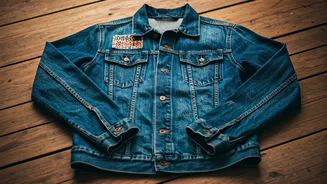
So where does one find style that doesn’t feel mass-produced? For many in Gen Z, the answer lies in the past. Thrifting, once a niche activity, has become a mainstream cultural phenomenon. Platforms like Depop, Poshmark, and The RealReal, along with traditional brick-and-mortar thrift stores, are the new department stores. The appeal isn’t just about affordability, though that’s a significant factor for a generation facing economic uncertainty. It’s about the thrill of the hunt—the satisfaction of finding a one-of-a-kind vintage piece that no one else has. This approach transforms shopping from a passive act of consumption into an active process of curation. Each item comes with a story, a sense of history that new, off-the-rack clothing lacks. Furthermore, upcycling and DIY modifications have become badges of honor. Sewing a patch onto a jacket, cropping a t-shirt, or dyeing a pair of jeans is not just a craft project; it’s an act of asserting individuality over a mass-market item, making it uniquely one's own.
Authenticity in the Age of the Algorithm
Herein lies the central paradox. While Gen Z craves authenticity, their style discovery is heavily mediated by TikTok, arguably the most powerful trend-generating algorithm in history. Fleeting micro-trends, often labeled with a “-core” suffix (cottagecore, gorpcore, balletcore), can explode in popularity overnight. One week, everyone is wearing vintage-style floral dresses; the next, it’s all about technical outerwear and hiking boots. Is this truly individual expression, or is it just a faster, more niche version of the same old trend cycle? The difference, proponents argue, is in the adoption. These “cores” function less as strict uniforms and more as aesthetic jumping-off points. An individual might pull elements from different micro-trends to create a personal hybrid. The algorithm suggests, but the user curates. It’s a delicate dance between algorithmic discovery and personal identity, where the goal is to use the tools of the digital age without being consumed by them.
When Values Become Style
Ultimately, the desire for less manufactured style is deeply connected to a shift in values. For a significant portion of Gen Z, ethical and environmental concerns are not an afterthought—they are central to their consumer identity. The well-documented environmental damage and labor issues associated with the fast-fashion industry have made buying cheap, disposable clothing a morally questionable act for many. Choosing secondhand clothing is a direct vote against this system. Supporting small, independent designers on platforms like Etsy or Instagram is another way of opting out of corporate homogeneity. This generation is increasingly using its purchasing power to make a statement. Style becomes a visible representation of one’s beliefs. Wearing a thrifted jacket isn't just a fashion choice; it’s a quiet protest against wastefulness and a celebration of circularity. In this context, “manufactured” doesn't just mean mass-produced—it means devoid of meaning.