



More Than Just a Fruit
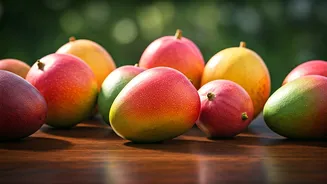
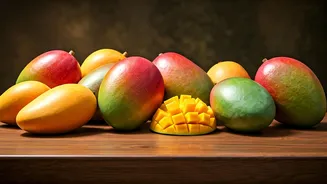
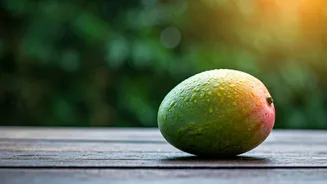
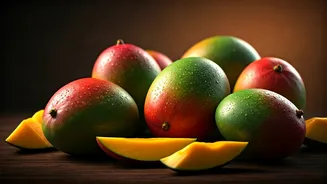
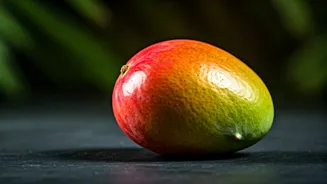
In America, the mango is often a singular experience—a red-and-green Tommy Atkins variety that’s reliable but rarely spectacular. In India, however, the mango is a cultural event. It’s the undisputed “king of fruits,” a signifier of summer, and a subject
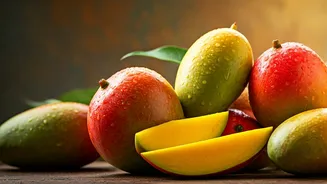
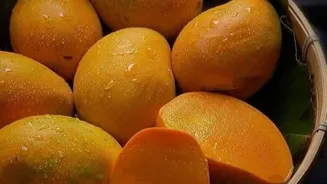
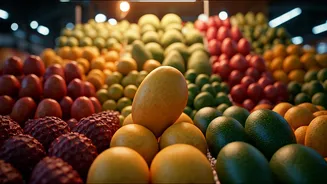
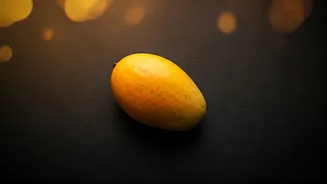
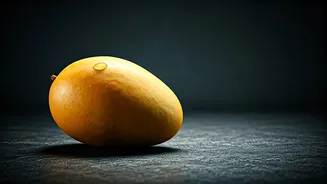
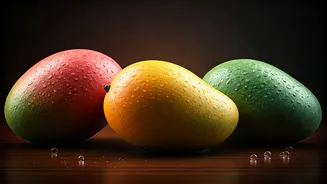
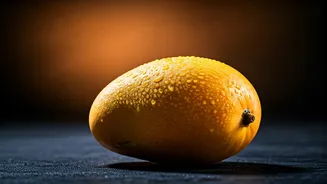
of poetry, fierce regional pride, and family ritual. With over a thousand varieties, each with its own distinct flavor profile, texture, and aroma, the mango isn't just food; it's an identity. The most revered of these, the Alphonso (or “Hapus”), is a small, golden-yellow orb from western India. Its flesh is a deep saffron color, completely fiberless, and melts on the tongue with a complex sweetness that blends notes of honey, citrus, and a hint of spice. For many South Asian diasporas, the taste of an Alphonso is the taste of home, a flavor so potent it can evoke powerful childhood memories. This is the fruit that has foodies and chefs buzzing, and its growing availability in the States is a game-changer.
The Long Road to American Markets
So if these mangoes are so legendary, why haven't they always been on our shelves? The journey has been complicated. For decades, the United States maintained a ban on Indian mango imports due to concerns about pests like fruit flies. For American-based fans, the only options were canned pulp or nostalgic longing. That changed when agricultural officials from both countries negotiated a complex but effective solution: irradiation. Since 2007, with a few pandemic-related interruptions, Indian mangoes have been allowed into the U.S. provided they undergo low-dose radiation treatment. This process, certified by the USDA, effectively neutralizes any pests without cooking the fruit or compromising its flavor and texture. A USDA inspector must even be present in India to oversee the process before the mangoes are cleared for export. This meticulous system has slowly but surely built a pipeline, allowing a growing volume of this liquid gold to finally reach American shores during their short but glorious season (typically from late March to June).
A Guide to the Stars
While the Alphonso gets most of the headlines, it’s not the only star of the show. As you explore specialty markets, you might encounter a few other key players, each offering a unique experience: Kesar: Often called the “Queen of Mangoes,” this variety from Gujarat is known for its intense, sweet fragrance and bright orange pulp. It’s slightly less expensive than the Alphonso but equally delicious, making it a popular choice for desserts and lassi (a yogurt-based drink). Banganapalli: Hailing from Andhra Pradesh, this is a larger, more oblong mango with a thinner, golden-yellow skin. Its flavor is less overwhelmingly sweet than the Alphonso, with a pleasant tartness that makes it incredibly refreshing. Chaunsa: A late-season favorite from North India, the Chaunsa is incredibly sweet and juicy with a wonderfully rich aroma. Finding it in the U.S. is a rare treat, but one worth seeking out as the season winds down.
Finding and Enjoying the Treasure
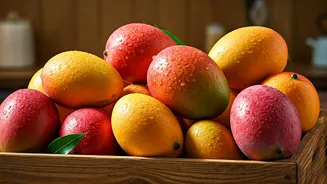
You won’t find these mangoes stacked high next to the bananas at your local chain supermarket. The best place to look is in Indian or South Asian grocery stores, which often receive direct shipments. Some specialty online grocers also air-freight them in during the peak season, though they come at a premium price. Don't be surprised to see them sold by the box rather than individually—a testament to their status as a special occasion treat. When you get them home, resist the urge to cut into them right away. Let them ripen on the counter for a few days until they are soft to the touch and give off a powerful, sweet perfume. A ripe Indian mango should have a few wrinkles on its skin. The best way to eat one for the first time? Simply peeled and sliced. No salsa, no smoothies, no distractions. Just the pure, unadulterated taste that has captured hearts for centuries.