
The Mango You Don't Know
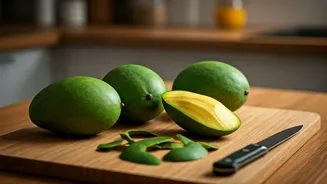
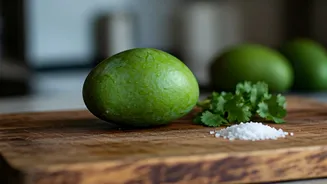
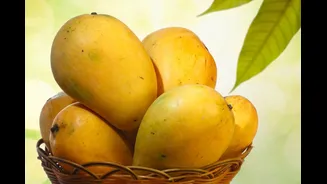
When Americans think of mangoes, they picture the sweet, juicy, sunset-colored fruit of high summer. But in South Asian communities, the excitement begins much earlier, with the arrival of kairi. Kairi, the Hindi word for unripe green mango, is the tart,
firm, and intensely flavorful precursor to the sweet fruit we know and love. Available for a fleeting season in late spring and early summer, these rock-hard green orbs are a culinary staple, prized not for their sweetness but for their electrifying sourness. This isn't a fruit you peel and eat over the sink; it's an ingredient that acts as a powerful souring agent, a pickling superstar, and the base for some of the most refreshing drinks imaginable. Finding kairi at a local Indian grocery store is like discovering a secret portal to a whole new dimension of flavor—one that’s bracing, complex, and utterly addictive.
A Philosophy of 'No Part Left Behind'
The magic of kairi goes beyond its taste. It embodies a philosophy of using every single part of an ingredient, making it a perfect mascot for the modern zero-waste movement. In traditional South Asian kitchens, throwing away any part of the kairi would be unthinkable. The flesh, the peel, and even the inner seed kernel are all utilized, creating a cycle of preservation and flavor that lasts long after the season ends. This isn't a new-age sustainability hack; it's a time-honored practice born from a deep respect for ingredients and a desire to capture the essence of a season. Adopting the kairi mindset means looking at a single piece of produce and seeing not just a meal, but a pantry's worth of possibilities.
The Flesh: For Drinks and Curries
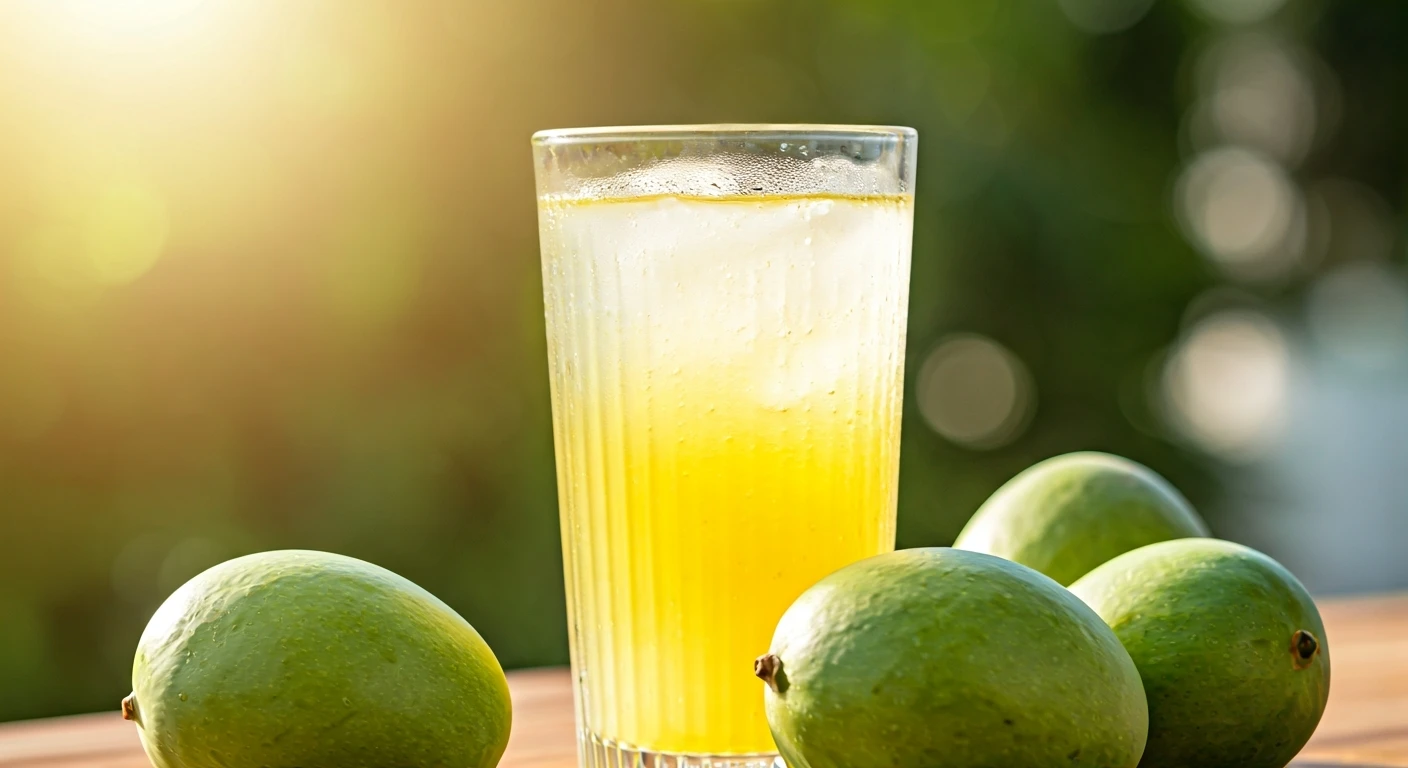
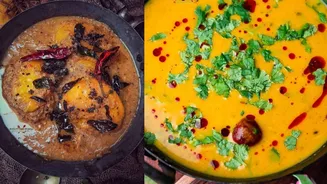
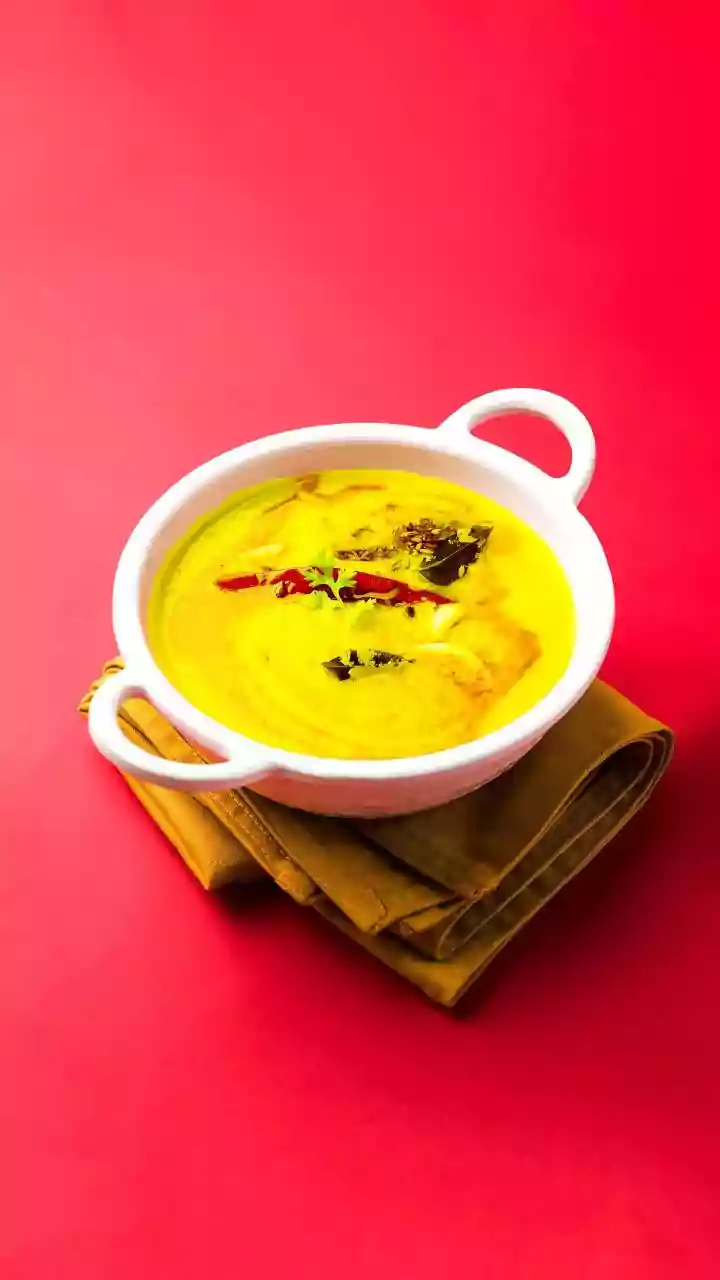
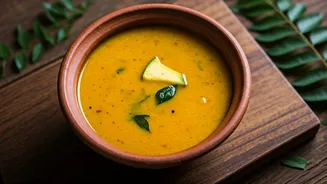
The firm, pale green flesh is the most commonly used part of the kairi. Its primary use is in making *aam panna*, a spectacular summer cooler. The mangoes are boiled or roasted until soft, the pulp is blended with sugar, mint, and spices like cumin and black salt, creating a concentrate that’s mixed with cold water. The result is a sweet, tangy, and savory drink that’s designed to combat summer heat. Beyond drinks, grated raw kairi is tossed into salads for a sour crunch, or cooked down into tangy chutneys that pair perfectly with everything from grilled meats to fried snacks. It can also be added to lentil dishes (*dals*) or fish curries, where it imparts a clean, bright sourness that lemon juice can only dream of achieving.
The Peel: For Pickles and Powders
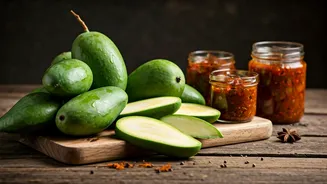
This is where the zero-waste principle truly shines. Most of us would toss the peel, but with kairi, it’s a treasured component of one of India’s most beloved creations: mango pickle, or *aam ka achar*. The entire mango, peel and all, is chopped into small cubes, mixed with a potent blend of salt, chili powder, turmeric, and other spices like fennel and mustard seeds, and submerged in oil. The peel softens over time but retains a satisfying chew, absorbing the pickling spices and contributing its own slightly bitter, astringent notes that balance the intense sourness of the flesh. In some households, peels are also sun-dried until brittle and then ground into a powder, used to add a tangy kick to spice blends.
The Seed: The Ultimate Scrappy Ingredient
Even the hard inner pit isn't discarded. Once the flesh and peel have been used, the pit (known as the *guthli*) is often sun-dried for days until the outer shell can be cracked open. Inside is a kernel that holds its own culinary and medicinal value. This kernel can be dried, roasted, and ground into a powder. While less common in modern urban kitchens, this powder has been traditionally used as an astringent, sometimes added in small quantities to certain dishes or used in traditional remedies for stomach ailments. It’s a testament to a culinary tradition that sees value in every last scrap, ensuring that the gift of the kairi season is maximized to its absolute fullest potential.