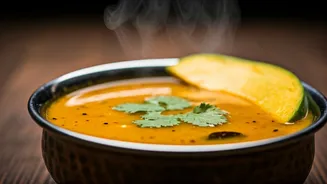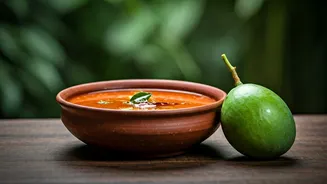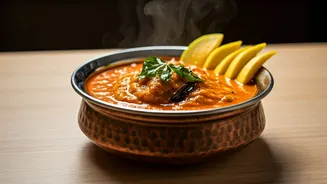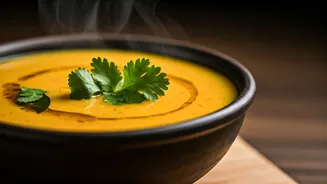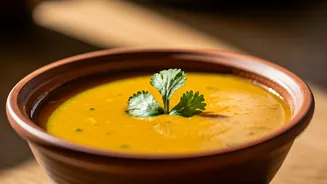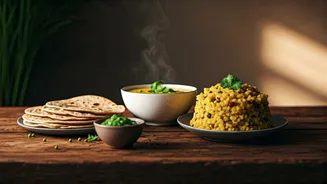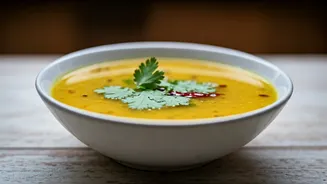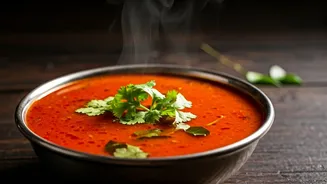



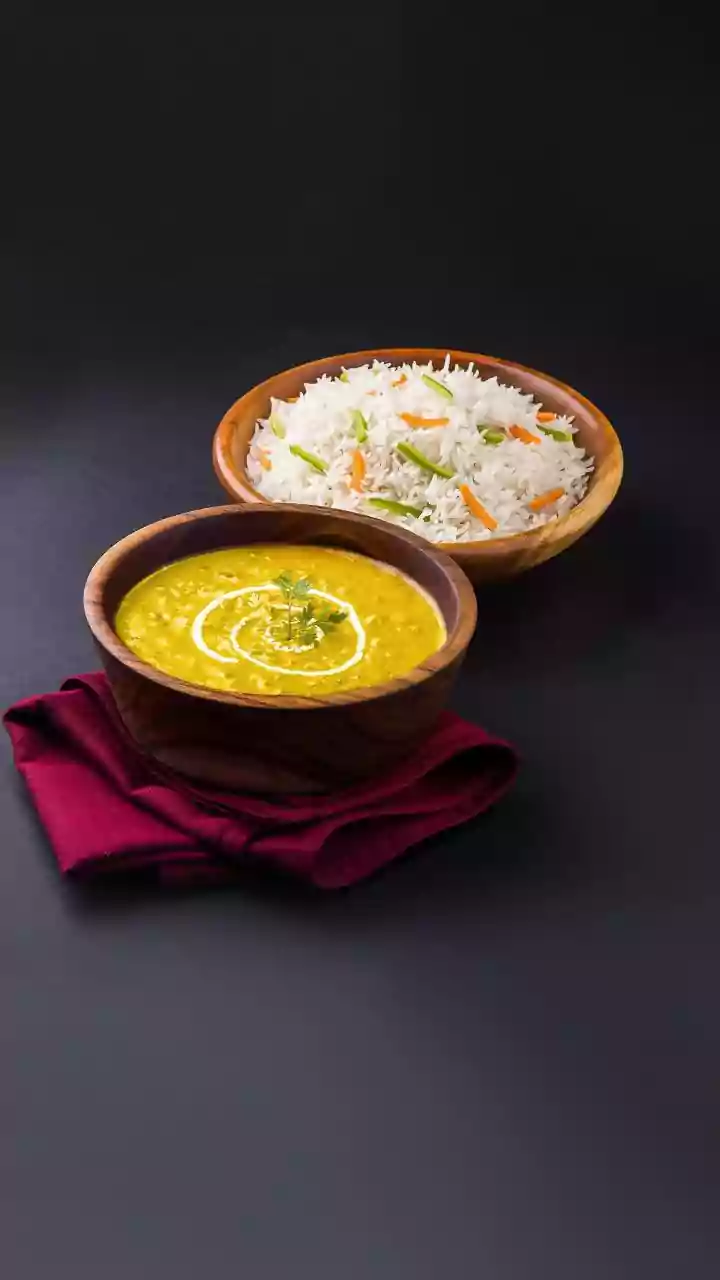

So, What Even Is Rasam?
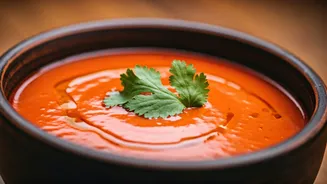
Let’s get acquainted. Rasam is not a drink in the American sense, but a thin, soupy broth that’s a cornerstone of South Indian cuisine. Forget thick and sweet; think tangy, peppery, and profoundly savory. At its heart, rasam is a water-based concoction
built on tamarind pulp and tomato, giving it a signature sour profile. It’s then supercharged with spices, most notably black pepper and cumin. Sometimes it includes a whisper of lentils for body, but it remains light and ethereal. Served hot, it can be sipped like a soup, poured over rice to moisten every grain, or used as a flavorful dunking medium for savory snacks like vada. It’s the antithesis of the heavy, dairy-laden fare that often dominates American perceptions of Indian food.
The Soul of South Indian Kitchens
While a mango lassi is a delightful treat, rasam is a daily ritual. It’s the liquid soul of countless South Indian homes, a dish woven into the fabric of everyday life. Its significance goes far beyond mere flavor. Rasam is considered a digestive aid, often served during a meal to prepare the palate and stomach. It’s also the go-to comfort food. Feeling a cold coming on? A steaming bowl of milagu rasam (heavy on the black pepper) is the prescribed cure, believed to clear sinuses and soothe a sore throat. It’s what mothers make to signal care and nourishment. Unlike the celebratory richness of a biryani, rasam’s beauty lies in its humble, consistent presence. It’s not food for a party; it’s food for life.
A Symphony of Flavor, Not a Monotone
A mango lassi is delicious, but its flavor profile is a straight line: sweet, fruity, creamy. Sipping rasam, on the other hand, is a journey. First, there's the bright, tangy opening from the tamarind. This is quickly followed by the mellow sweetness of tomato. Then comes the crescendo: the pungent, warming heat of black pepper that blooms at the back of your throat, not with brute force, but with a slow, building intensity. Finally, the aromatic finish of fresh cilantro and curry leaves provides a complex, savory afterglow. And this is just the basic template. There are countless variations: lemon rasam for a brighter citrus kick, garlic rasam for a pungent punch, and even pineapple rasam for a surprising sweet-and-sour twist. Each sip is a discovery.
Beyond the 'Gateway' Indian Dish
Let's be clear: there’s no war on mango lassi. Or chicken tikka masala. These dishes are popular for a reason—they are fantastic ambassadors, a delicious and accessible entry point. But they have become such dominant symbols of "Indian food" in the U.S. that they risk eclipsing everything else. Sticking only to these "gateway" dishes is like visiting Paris and only eating croissants. You're missing the point. To appreciate the depth of Indian culinary tradition, you have to venture beyond the familiar. Choosing rasam over a lassi is a small act of culinary exploration. It's a signal that you're ready for the next level, eager to taste something that speaks more to the daily reality of an Indian kitchen than to the expectations of a foreign palate.